



Ever think one simple idea could change everything? Picture a time when people only had candlelight. Back then, small breakthroughs led to new ways to live. Today, affordable products are shaking up old routines and filling gaps many never noticed. Tech examples like these began small and grew to change how we work, play, and connect. In this article, we'll explore how basic ideas transformed into innovations that reshaped whole industries. Curious? Keep reading to see how these shifts sparked remarkable change.
Disruptive technology examples Spur Remarkable Change
Disruptive innovation brings fresh or simpler products that fill market gaps by addressing needs people have long ignored. It starts with a basic, affordable idea that gradually grows to challenge old methods and even replace them. It all begins by noticing a missing piece in the market and introducing a product that early adopters love.
These tech breakthroughs are known for being easy to use, budget-friendly, and eventually powerful enough to change an entire industry. Here’s an interesting fact: before light bulbs lit up our homes, candles were the only way to see in the dark. Innovations like these often start small and slowly spread by word of mouth, laying a clear path for bigger transformations.
- Ford (1913 moving assembly line)
- FedEx (express mail delivery)
- Google (1998 search engine)
- Apple (2001 iPod)
- Netflix (2007 streaming service)
These well-known examples show that a simple idea can turn into a full-blown market revolution. Companies across different fields use this formula, spot the need, launch an innovative solution, build momentum, and eventually shake up the whole market. In truth, each cycle of innovation proves that even the simplest concepts can spark remarkable change and reshape how we interact with technology.
Historical Disruptive Technology Pioneers & Milestones

Back in the industrial era, inventive minds changed the way we live. Ford, for example, introduced a moving assembly line in 1913 that made car production faster and cars more affordable. General Electric began in 1892 and brought electricity to homes and businesses, lighting up everyday life with electric lights and appliances. Then there was FedEx in 1971, which launched express delivery that sped up the movement of goods across cities and even continents. These early breakthroughs not only changed how things were made but also paved the way for future tech wonders.
In the computing and internet age, companies like IBM and Google led a new kind of revolution. IBM played a big role in the 1960s by popularizing mainframe computers (large, powerful machines used by banks, government agencies, and big companies). And then, in 1998, Google made finding information online almost effortless with its smart search engine. These innovations changed the way we work, learn, and connect every day, and their influence is still a part of our digital world.
Disruptive Technology Examples Transforming Business & Finance
Businesses have changed a lot by rethinking old ideas. Many companies have stepped forward, questioning old ways and offering options that are simpler, cheaper, and easier to use. Thanks to this fresh thinking, more people can now enjoy products and services that were once just for a select few. You see these shifts in retail, payment systems, online shopping, tech gadgets, entertainment, and finance. Consider Walmart, which began as a modest discount store and grew into a global supply-chain force, or Visa, which shook up payments with one of the first credit cards even with a low spending limit. And of course, there’s Amazon, Apple, Netflix, and Robinhood, each playing a huge role in changing their fields.
| Company | Industry | Disruption | Year |
|---|---|---|---|
| Walmart | Retail | Discount supply-chain model | 1962 |
| Visa | Payments | First credit card ($300 limit) | 1958 |
| Amazon | E-commerce | Online retail launch | 1995 |
| Apple | Consumer Tech | iPod portable music | 2001 |
| Netflix | Entertainment | Streaming service | 2007 |
| Robinhood | Fintech | Commission-free trading | 2013 |
These examples show how fresh business ideas can completely shake up an industry. Companies that dare to try new things often spot trends that big, older firms might miss. By focusing on cutting costs and making offerings easier to use, these innovators not only win over more customers but also push established companies to change their ways. Sometimes a simple, straightforward method beats out a complicated fancy solution. And as the market evolves, even the top players have to adapt just to stay relevant. In short, these changes are part of a repeating cycle where smart, innovative ideas keep turning old systems upside down.
Digital Consumer Disruptors & Platform Innovation Examples
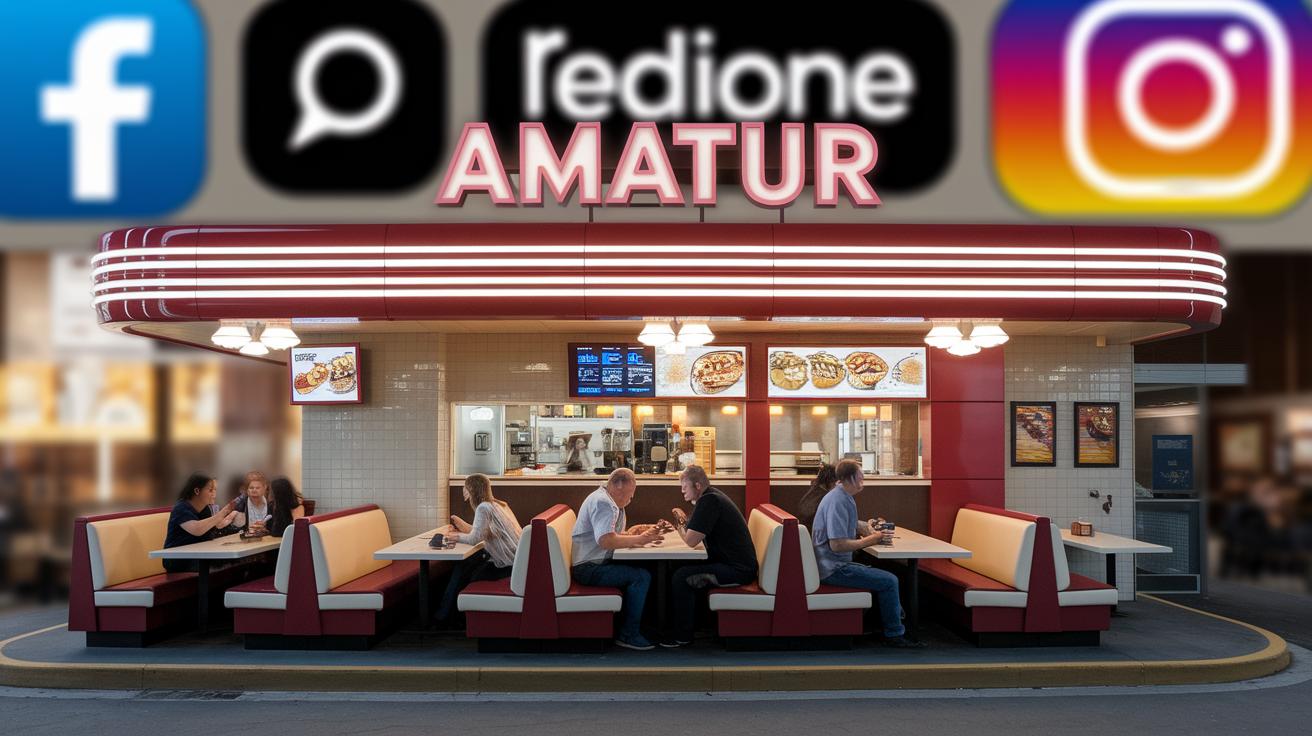
Think about how McDonald's kicked off a fast-food revolution in the 1950s with a simple, consistent approach that made every meal familiar no matter where you were. It was all about the reliable taste and atmosphere that millions came to expect and love.
Then, in 2004, Facebook changed the way we connect online. Instead of a cold exchange of messages, it made chatting feel personal and friendly, imagine scrolling through your feed and feeling that warm touch of connection with friends and family from across the world.
Uber followed suit in 2009 by making rides as easy as a few taps on your smartphone. Whether you're in a busy city or heading home late at night, ordering a ride became nearly instant and hassle-free.
Around the same time, cryptocurrency broke onto the scene. Using blockchain (a secure, digital ledger, which is a safe way to store digital records), it gave people more power over their money. This shift not only met immediate needs but also reshaped how many of us think about money and transportation.
In truth, each of these breakthroughs has helped make everyday interactions smoother and more accessible, setting the stage for even more innovations that continue to transform our lives.
The Five-Stage Process of Disruptive Innovation
Disruptive innovation takes shape in five easy-to-follow steps. First, you spot a gap in the market. Next, someone introduces a new product or technology to meet that need. Then, early users begin to notice and adopt this simple, often affordable solution. Soon, established companies start feeling the pressure. Finally, a whole new market segment is born. It’s like lighting a small spark that eventually turns into a roaring blaze in the industry.
For the first three steps, companies start by seeing a need that current products just don’t fill. They roll out a basic solution that catches the eye of early adopters with its ease and low cost. Think of Netflix launching its DVD-by-mail service in 2007. Or the iPod, which made carrying digital music a breeze. These early moves show how filling a clear gap can win over early users quickly.
Later on, the new product begins to challenge the long-time leaders. It shifts how things have always been done. Old standards start to crumble as the innovative product takes over. This change forces older companies to rethink their strategies. In truth, disruptive innovation not only changes what buyers expect but also inspires major shifts in how businesses operate.
Disruptive vs. Sustaining Innovation: Strategic Evaluation
When big companies set out to improve their products, they usually take the safe route. They refine what already works for their loyal customers by making small, steady upgrades that keep everything familiar. This is what we call sustaining innovation: simple tweaks that keep the glow of trusted products shining.
But then there’s disruptive innovation. And wow, it’s a whole different ball game. Instead of small changes, disruptors offer simpler and more wallet-friendly products designed to win over those overlooked by industry giants. Imagine a new option that gives just enough features for people who felt left out by the traditional players.
Big companies often feel uneasy about these big leaps. Their old systems and cautious attitudes make taking risks seem too daunting. Meanwhile, agile new entrants quickly grab niche segments, catching the market by surprise before the established firms can catch up.
In time, you can clearly see the shift in power: legacy firms stick with their complex routines, while disruptors continuously adapt and connect with a broader audience. This shakeup pushes everyone to rethink how they innovate in a market that is always on the move.
Tools & Frameworks for Fostering Disruptive Technology
Organizations are switching to agile ways of working. They use lean startup ideas and rapid prototyping to cut through red tape. These methods let teams test new ideas fast and stay small and flexible. And design thinking boosts creativity, so businesses can quickly adjust to changing markets without overcomplicating things.
Teams are also embracing canvas models to map out their ideas and track customer feedback. For example, the UNITE Business Model Canvas has been downloaded 8,556 times, the Jobs-to-be-Done Statement & Map has seen 5,576 downloads, and the Value Proposition Canvas has 4,499 downloads. These tools help teams plan smartly and tweak their ideas based on real user insights.
Emerging Disruptive Technology Examples & Future Outlook

Tesla’s electric cars are taking the market by storm. They offer a cleaner and more efficient ride that makes old gas-powered cars seem outdated. Dropbox’s cloud storage now makes teamwork a breeze, letting team members swap files instantly without digging through endless emails or old-school drives. And Spotify has changed our music game by letting millions listen to songs right away, instead of buying or downloading them.
Blockchain platforms are paving a brand-new way to handle digital payments with cryptocurrency (a digital form of money secured by strong codes). This means we aren’t as tied to traditional banks anymore. Uber’s ride-sharing app has spread quickly around the globe, showing us how on-demand services can change the way we move around our cities.
Looking ahead, experts believe that blockchain’s secure, spread-out system will work with real-time services to reshape everything, from banking to everyday transport. With more startups and big companies testing these fresh ideas, we can expect industries to shift fast. This change will bring more convenience and choices into our lives, all while opening up new doors for further innovation.
Final Words
In the action, we walked through disruptive technology examples, explored historical milestones, and examined shifts across business and consumer markets. The discussion highlighted how innovations transformed manufacturing, computing, retail, and finance.
We showed how key attributes drive new tech trends using easy-to-follow frameworks. These insights not only empower informed tech decision-making but also spark fresh thinking in emerging fields. Stay curious and excited about what’s coming next in the world of tech innovation!
FAQ
What is the meaning of disruptive technology?
The term disruptive technology means a new product or service that fills a market gap by offering a simpler or more affordable alternative, eventually replacing older methods or technologies.
What are some examples of disruptive technology across real life, history, and business?
Real-life examples include Ford’s moving assembly line, FedEx’s express delivery, Google’s search engine, Apple’s iPod, and Netflix’s streaming service—each reshaping its industry by meeting unmet needs.
Who are considered famous disruptors in technology?
Famous disruptors include companies like Ford, FedEx, Google, Apple, and Netflix, which redefined manufacturing, delivery, search, personal music, and entertainment, respectively, through innovative breakthroughs.
What is the most disruptive technology today?
The most disruptive technology today is often seen in digital and streaming innovations that continually change market dynamics, such as fintech platforms and streaming services, reshaping how consumers access information and entertainment.
Is Netflix considered a disruptive technology?
Netflix is considered a disruptive technology because its streaming model transformed the way people watch movies and TV, challenging traditional cable and DVD rental services with a simpler distribution method.