



Ever wonder why some people worry about AI? It might seem like a job-stealer or a privacy invader to many. Imagine waking up and hearing your news from a computer, it feels a bit off, right? People often see AI as a tool that just mimics patterns instead of actually thinking like a person. In this article, we're taking a closer look at the true perks of AI along with the fears that come with it. Stay with us to discover some surprising insights behind these worries.
why do people hate AI: Embrace bright insights
People talk about AI everywhere, from school papers to chats over dinner. Some worry it will steal jobs and pry on our privacy. Picture this: your morning news coming from a computer instead of a real reporter. It sounds strange, and many fear that personal details could slip away with these changes.
A big mix-up is what AI really does versus what it seems to do. Many say that these systems don’t actually think. Instead, they follow patterns, like a song that repeats the same beat over and over. This makes it hard for people to trust them, especially when they’re used for important things.
There’s also worry about ethics. When machines start to act a bit human, it makes us question who is really in charge. For example, some say AI can be a “copy machine” that reuses content without giving credit. This idea makes many people feel uneasy about letting AI decide on things that belong in the human world.
In the end, fear of AI comes from a mix of worries about jobs, privacy, and who really controls what happens. It leaves us wondering if this technology is as friendly as it first seems.
Historical perspectives on why people hate AI
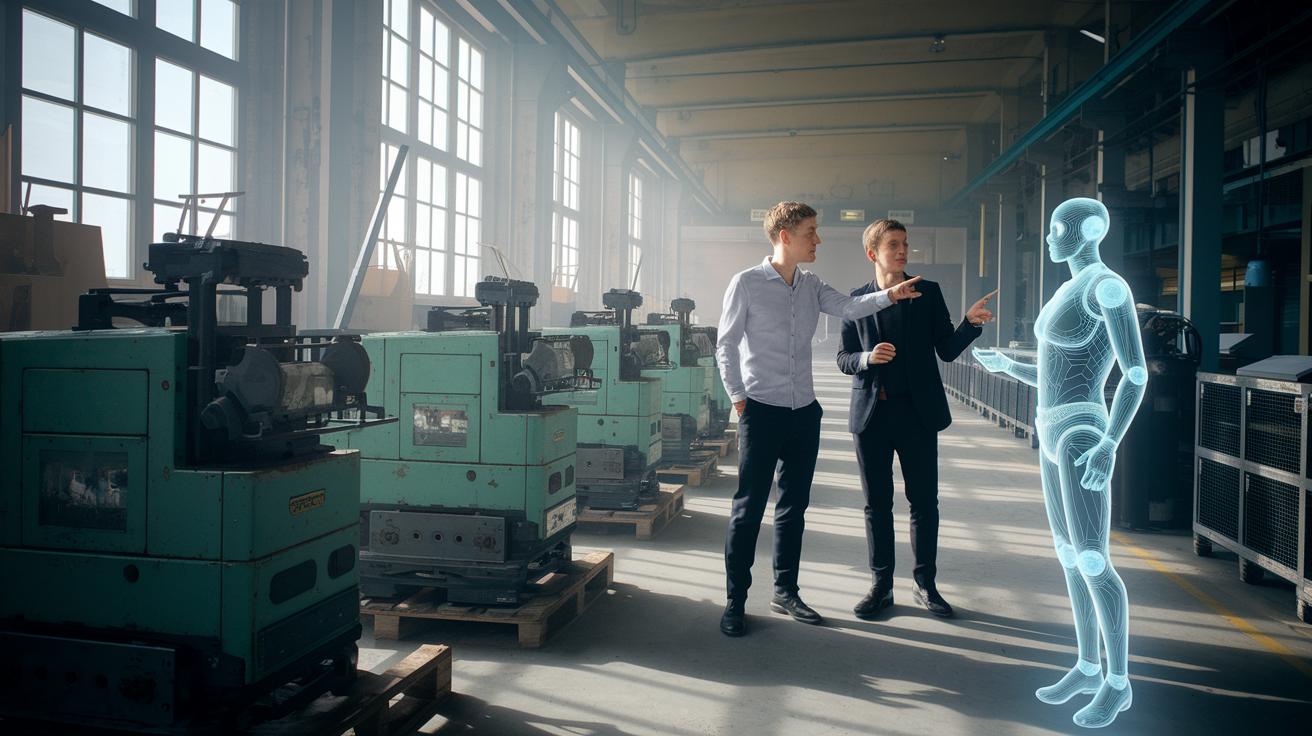
Long before today's AI was on anyone's radar, people were already worried about new tech. In the 1800s, groups like the Luddites pushed back against new machines because they felt threatened by change. And when the dot-com boom hit, many doubted the fast digital progress, voicing concerns that sound very similar to what we hear about AI now.
Key tech milestones show how early excitement can quickly turn into backlash. For instance, in 1990 the Archie search engine amazed users by neatly organizing online information, even though many felt uncertain about what digital intelligence (smart, automated systems) might bring. In the mid-90s, Yahoo and AltaVista popped up and sparked both wonder and worry, hinting at a future loaded with endless data. By 1998, when Google made its debut, people were already mixing optimism with a healthy dose of caution.
Today, critics echo those same old doubts. They warn that any breakthrough released without clear safety measures can end up harming society. History tells us that new tech often gets a burst of hype, only to be met with resistance once people start to see its real impact.
- Worries about losing control over fast-developing systems
- Unease about digital intelligence that processes information in ways unlike human thinking
This look back shows that fear often follows rapid adoption, especially when the benefits aren’t obvious.
Psychological roots of why people hate AI skepticism
Luciano Floridi points out that people often mix up what artificial intelligence does with human-like thinking. Folks see these systems crunching numbers using statistical patterns and think they’re doing real human reasoning. This mix-up makes many feel uneasy, as if they’re facing a mysterious process rather than a clear, logical one. Ever notice how a simple algorithm gets blamed for decisions it just mimics, much like a calculator being held responsible for a math error?
Online spaces like forums and social media add even more fuel to the fire. In these spots, AI is often painted as an unpredictable "black box" that controls outcomes without clear explanation. This kind of talk stokes deeper worries about uncertainty and a loss of control. People fear that as machines take over routine tasks, they might also strip away the human touch and creativity we value.
Here are some of the key triggers behind AI anxiety:
| Factor | What It Means |
|---|---|
| Uncertainty | Machines now mimic tasks once done only by humans. |
| Loss of Control | Decisions made by opaque systems can feel out of our hands. |
| Exaggerated Claims | Media and online chatter often overstate what AI can really do. |
These reactions build a public wariness. Even with all its clear benefits, technology sometimes feels like it could end up deciding too much on its own.
Ethical and privacy concerns behind why people hate AI
Critics say that AI often goes too far with ethics. Some even call it a plagiarism machine since it can spit out copyrighted work without giving proper credit. Many are uneasy about data being used without permission, and rules about who really owns the content remain hazy. It feels like our creative efforts are treated more like something to copy than something to respect.
Studies show that training and running AI uses a lot more computer power and energy than normal software. This huge energy need puts stress on our power systems and worries people about its environmental impact. Even though some centers use green energy, many eco-conscious folks still have their doubts.
Privacy is another big worry with these smart systems. Algorithms (step-by-step rules for solving problems) now collect a lot of personal data to build user profiles. Many people find these methods confusing and hard to follow. When data is gathered without clear permission, it sparks fears about digital spying and the loss of personal control. Imagine if every search, click, or like was tracked, it makes many people demand better oversight.
Amid all these concerns, experts are calling for stronger accountability. They stress that clear rules and honest practices, like those found in tech policy, are essential to protect us all. Balancing fresh innovation with respect for privacy and the environment is simply key.
| Concern | Description |
|---|---|
| Unauthorized Data Use | Collecting and using data without clear permission. |
| Environmental Footprint | High energy use from heavy computer tasks. |
| Algorithmic Opacity | Not enough clarity on how decisions are made. |
| Content Ownership | Problems with giving credit to original creators. |
Economic fears fueling why people hate AI
Many people worry that AI will take over lots of jobs, leaving millions without work. Experts say machines might soon do tasks that people used to do, which makes workers nervous about what comes next. Some compare heavy reliance on language models (special computer programs that understand text) to taking a boost like Adderall: a fast lift that may lead to problems later on. This fear comes from the idea that hands-on skills could fade away if machines do more of the work.
But it isn’t just about losing jobs. Many companies don’t have huge budgets to create their own AI tools. Smaller businesses end up having to pay steep fees to big tech companies, which can feel unfair and create a growing divide between those who can afford modern tech and those who can’t. In today’s fast-changing digital workspace, people worry that as routine tasks get automated, it might also sap opportunities to learn and grow at work.
- Worries over job loss because machines are taking over
- Too much trust in advanced language models that could weaken our skills
- Big tech companies dominating the market and limiting choices for small businesses
All these issues add up and fuel a negative view of AI in our economic lives.
Creative backlash: why people hate AI-generated art

Independent artists are facing a real challenge. Clients now choose fast, free images made by computers over the thoughtful work of real artists. Many creators wake up to find their commissions gone, replaced by digital images that miss the care and personal touch of handmade art. Online, people are sparking heated debates, calling these images "soulless" or even a "plagiarism machine." This chatter shows a deep worry that machine-made art cheapens centuries of creative passion.
Artists say that art made by humans carries special cultural and emotional vibes, details that machines just can’t capture. They believe art should tell personal stories and hold rich feelings that only a human can create. And many fear that relying on AI visuals will push aside independent talent, leading to a future where creative work is less varied and less meaningful.
Sure, some folks point to smart tools like the ai image generator (a tool that quickly makes digital art) and argue that technology can help. Yet the creative community remains unconvinced. They see AI art not as a way to enhance creativity, but as something that might strip art of its soul and originality.
Debunking myths: why people hate AI and what’s misunderstood
Some folks worry that machines might soon replace human work, and it’s easy for critics to blow AI’s flaws out of proportion. The buzz around Generative AI often makes us think its benefits will come super fast. But in truth, when powered by renewable-energy data centers, these systems can run in a greener way. Plus, new methods like retrieval-augmented generation (a technique that uses stored info to fine-tune responses) and Chain-of-Thought reasoning (a step-by-step way to process problems) are making AI smarter about decision-making.
Critics sometimes say that AI just copies what people do. Yet, when AI is properly regulated, it plays a vital role in healthcare, research, and logistics. In essence, automated tools team up with human experts rather than replace them entirely. And when online chatter turns into baseless mistrust, clear, honest practices and smart, steady progress can clear up the confusion.
- Transparent methods build trust in technology
- Balanced strategies show the real benefits of automated systems
- Ongoing upgrades help reveal what AI truly can do instead of relying on hype
By weighing the upsides and downsides based on clear evidence, we can cut through the myths. This shift in the conversation helps move us away from fear and towards a more informed chat about the real role of technology.
Final Words
In the action, we explored key factors fueling backlash, societal doubts, ethical concerns, emotional turbulence, economic fears, and creative pushback. We clarified how historical debates and psychological roots shape opinions and sparked discussion on why do people hate AI. The blog offered a clear picture of complex issues while inviting balanced dialogue. Positive tech progress fuels next chapters of trust and informed decision-making.
FAQ
Q: Why do people hate AI?
A: The question why people hate AI reflects fears over job loss, privacy breaches, and ethical issues. Online spaces like Reddit amplify worries over rapid tech changes and opaque decision-making.
Q: Why do people hate AI art?
A: The question why people hate AI art shows critics believe automated art devalues human creativity, diminishes original expression, and takes away opportunities from traditional artists, sparking heated debates.
Q: Why do people hate AI slop?
A: The question why people hate AI slop indicates that some view low-quality, unrefined AI outputs as cluttered and unreliable, which further erodes trust in automated decision-making systems.
Q: Why do people hate AI videos?
A: The question why people hate AI videos suggests that users find these videos inauthentic and poorly executed, raising concerns about creative control and the overall reliability of automated visual content.
Q: Which three jobs will survive AI?
A: The question which three jobs will survive AI signals that sectors like healthcare, education, and skilled trades may endure because they rely on human empathy, real-time judgment, and hands-on interaction.
Q: What does Elon Musk say about AI?
A: The question what does Elon Musk say about AI reveals that he warns of uncontrolled AI development, urging strict regulation and careful progress to mitigate potential risks.
Q: What does the Bible say about artificial intelligence?
A: The question what does the Bible say about artificial intelligence points out that biblical texts do not directly address AI, though some interpret its lessons as calling for ethical behavior and prudent use of technology.