



Ever wonder if your car's safety system is really watching out for you? TPMS, which stands for tire pressure monitoring system (a gadget that checks tire pressure with built-in sensors), might change your mind. It quietly monitors the air in your tires and lets you know when the pressure starts to slip. With over ten years of proven benefits, TPMS has helped countless drivers dodge flats and road surprises. Next, we’ll dive into how it works and why understanding TPMS can make both you and your ride a lot safer.
TPMS Overview: Defining Tire Pressure Monitoring System and Its Role in Vehicle Safety
TPMS stands for tire pressure monitoring system. It's an electronic setup that keeps a close watch on the air in your tires using small sensors. These sensors continuously send live pressure readings to a display on your dashboard. When a sensor notices that a tire’s pressure is about 25% lower than the ideal range, typically 32 to 35 PSI, a warning light pops up. It's like your car’s friendly nudge saying, "Hey, check your tires!"
Since 2007, new vehicles have been required by law to include TPMS. This means that almost every recent car you see is equipped to help you keep tabs on tire pressure. With timely alerts, TPMS improves safety by lowering the risk of tire blowouts, flats, or even loss of control from underinflated tires. It also helps save fuel, since properly inflated tires reduce rolling resistance as you drive.
Overall, TPMS is a key ally in managing tire health. It gives you peace of mind by catching drops in tire pressure early. When the warning light comes on, pull over, check your tires, and use a tire gauge to measure the PSI. This clear, immediate information keeps your vehicle and everyone inside it safe on the road.
TPMS Functionality Explained: Comparing Direct TPMS Method and Indirect Monitoring Methods
Direct TPMS Method
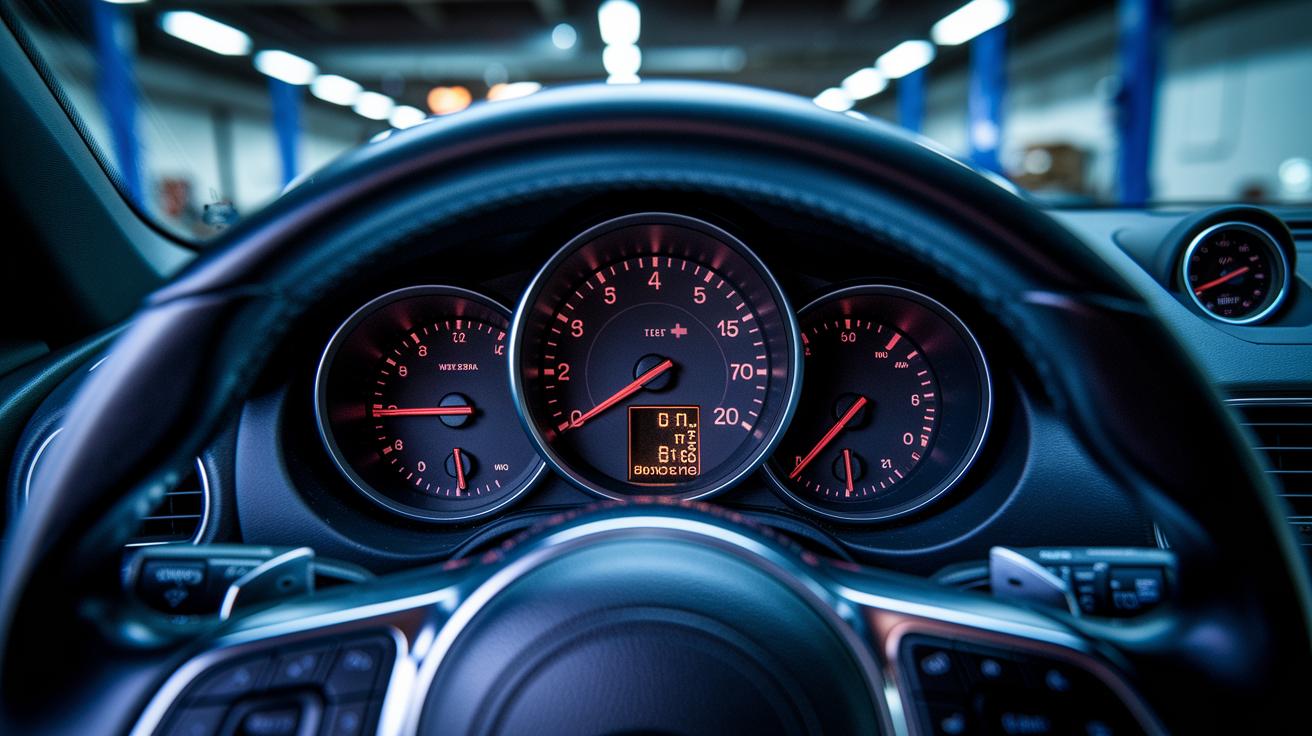
Direct TPMS uses small battery-powered sensors inside each tire to get real-time pressure readings. Each sensor sends its PSI data over the air to your car’s computer, much like a tiny reporter sharing news from each tire. And when the dashboard light comes on, it might be more than just low pressure, it could be a sign that one sensor isn’t communicating well. For instance, you might start your car and see a signal saying “sensor error” instead of a simple low tire alert. This method gives you clear, immediate updates thanks to each tire’s unique sensor.
Indirect Monitoring Methods
Indirect monitoring takes a different path by keeping an eye on how fast each wheel spins using the ABS system. If one tire turns faster than the others, the system guesses it might be underinflated, imagine one wheel trying to outrun its teammates. However, if the TPMS light flashes, it often hints at a system glitch or a communication hiccup rather than just low pressure. Both approaches have their own quirks, but each one plays a key part in keeping you alerted about tire issues, helping ensure your ride stays safe and smooth.
TPMS Sensor Basics: Key Components, Lifespan, and Technology
At the core of TPMS are a few important parts. Each sensor has a pressure sensor that checks the PSI (pounds per square inch) and an RF transmitter (a device that sends data via radio waves) that shares this info. Imagine a tiny device in your tire whispering, “Hey, I’m at 33 PSI” if it could talk. Each sensor also comes with a sealed battery that usually lasts about 5 to 10 years. Because you can’t replace these batteries, you have to swap out the whole sensor when it runs out. Plus, the sensor sits snugly inside a valve stem housing that shields its electronics from the weather and other harm.
These sensors send their readings on special radio waves and each one gets its own unique ID that matches a specific wheel. Some hybrid aftermarket sensors even let you program them with your smartphone, which makes checking your tire pressure super easy. This smart sensor tech delivers detailed tire info straight to your dashboard, so you get trustworthy updates on tire performance without having to do it all by hand.
Benefits of TPMS: Tire Pressure Safety Features and Driver Advantages

TPMS makes driving safer by helping you avoid tire troubles. Studies show that drivers using this system experience about 30% fewer tire problems and spend less on repairs because it catches issues early.
It keeps your tires at the right pressure, lowering the risk of blowouts and flats. Plus, it reduces rolling resistance, which can boost fuel efficiency. Ever notice how a smoother ride feels?
TPMS also helps extend your tire life by ensuring they perform consistently and meet warranty rules. When tire pressure drops 25% below the ideal range (usually 32–35 PSI), you get a quick alert so you can take action.
By offering real-time updates and smart reminders, TPMS not only keeps your car running well but also makes your daily drive a bit less worrisome.
Car Tire Pressure System Maintenance: Step-by-Step TPMS Calibration and Troubleshooting
Keep your TPMS working well and your drive safe by doing a few easy checks. When that warning light pops up, it's a clear sign to check your tire pressure. Regular checks help catch small issues before they turn into big, costly repairs.
-
When the TPMS light starts shining, pull over safely and take a closer look at your tires. Grab an $8–20 tire pressure gauge and measure the PSI. Then, compare what you see with your vehicle's suggested levels.
-
After you check your pressure, add or release some air as needed. Doing a monthly inspection when your tires are cool gives you a clear picture that everything’s working right.
-
If a sensor looks damaged or its battery (usually lasting 5–10 years) seems low, swap it out. This simple step can stop sensor slips that might leave you guessing about your tire health.
-
Once you've replaced a sensor or rotated your tires, reset the system. That might mean a few ignition cycles, pressing specific buttons, or taking a drive at a steady speed for a bit.
-
When you can, use a TPMS diagnostic tool. These handy tools read sensor IDs and error codes fast, making troubleshooting a lot smoother.
Following these steps makes TPMS upkeep easy and clear. Regular calibration and quick fixes keep your tire pressure system dependable, so you enjoy a safe and worry-free ride.
Diagnosing TPMS Warning Light: Interpreting Alerts and Fixing System Faults
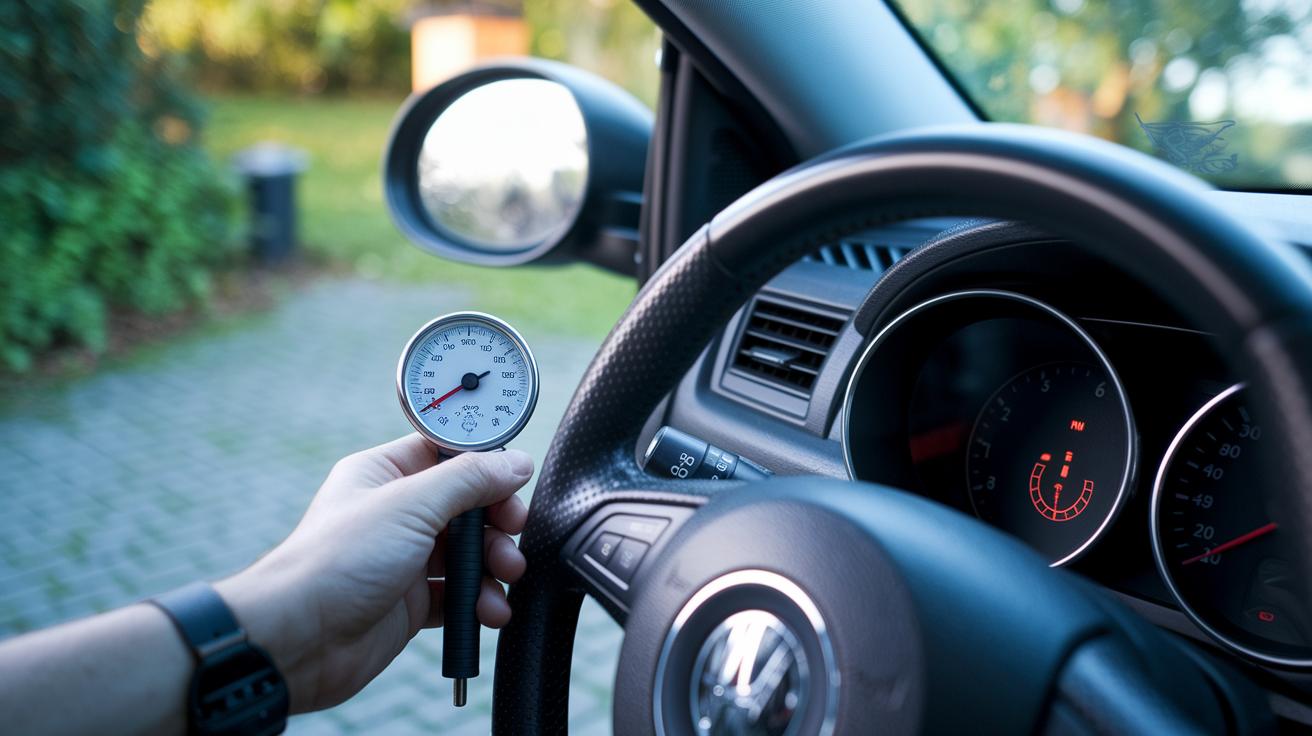
When you see the TPMS light on your dashboard, your car is giving you a heads-up about your tires. A steady, horseshoe-shaped light means that one or more tires are low by 25% or more. Low tire pressure can make your ride less stable and even hurt your gas mileage. It’s best to grab a gauge and check your tires to see if they need more air. Taking quick action now can keep you safe and your drive smooth.
| Warning Light State | Meaning and Recommended Action |
|---|---|
| Solid Horseshoe Light | This means a tire is underinflated by 25% or more. Check the tire pressures and add air as needed. |
| Flashing Warning Light | This points to a system issue, like a dead sensor battery or a calibration error. Use a TPMS scan tool to find the error codes, then reset the system or replace the faulty sensor. |
| Other Alerts | This could mean there are problems with several sensors. Use diagnostic tools to find the specific error codes and follow the recommended repair steps. |
A flashing light usually means there’s a system error rather than just low tire pressure. In that case, adding air won’t fix the problem. Instead, you’ll need a TPMS diagnostic tool to check for error codes that explain what’s wrong. Then, resetting the system or replacing the sensor if needed will help your car get back to giving accurate readings and keep you safe on the road.
Regulatory Standards and Future Trends in Tire Pressure Monitoring Systems
Since 2007, United States law has required TPMS on new cars. This system warns drivers when tire pressure falls too low, keeping cars safe and running smoothly. It works in real time, letting drivers know right away if something’s off. Car makers are even thinking of linking TPMS data with digital dashboards and connected car systems to make monitoring easier and quicker.
New sensor designs are pushing these systems to new heights. Hybrid sensors now work with smartphones and last longer on a single battery. Vehicles might soon share tire data instantly, providing even sharper alerts. For older cars, aftermarket TPMS kits offer a way to boost safety with modern technology. As these tools grow smarter and more connected, they help drive the whole auto industry toward safer and more reliable rides.
Final Words
In the action, we explored what is TPMS (tire pressure monitoring system), breaking down its inner workings and comparing the direct and indirect methods. We showed how the sensor basics work, shared key benefits like improved safety and fuel savings, and guided you through calibration and troubleshooting steps. Plus, we touched on regulatory standards and future sensor trends. This tech keeps our rides safer and our minds at ease. It's an exciting time to keep learning and enjoying smart, safer driving experiences.
FAQ
How do I reset my TPMS and where is the sensor reset button located?
The TPMS reset means your vehicle includes a reset process using a dedicated button usually found near the steering wheel. Check your owner’s manual for the exact location and proper procedure.
What is the TPMS system on Chevy vehicles?
The TPMS on Chevy monitors tire air pressure with built-in sensors. It alerts drivers when a tire is underinflated, helping improve safety and fuel economy.
How do TPMS sensors get power?
The TPMS sensors get power from a small, sealed battery installed inside each sensor, which typically provides energy for five to ten years of consistent tire monitoring.
Where are the tire pressure sensors located in my vehicle?
Tire pressure sensors are usually attached to the tire’s valve stems inside each wheel. They continually send air pressure data to your vehicle’s computer for safe driving.
What is the price range and average cost for replacing TPMS sensors?
The cost for TPMS sensors generally ranges from about $50 to $150 per sensor. Replacement costs vary depending on labor and specific vehicle requirements.
How do tire pressure sensors function during tire rotation or wheel changes?
When you rotate tires, the sensors stay with the tire. They may need a relearn or reset process afterward so that your vehicle correctly identifies each sensor’s new position.
Is it safe to drive with the TPMS light on?
Seeing the TPMS light means at least one tire is underinflated. It’s not unsafe for a short period, but you should check and adjust your tire pressures as soon as possible.
Can I replace TPMS sensors myself?
You can replace TPMS sensors if you have the correct tools and know-how. Yet, many drivers prefer professional assistance to avoid issues and ensure proper calibration.
Does Firestone install TPMS sensors?
Firestone provides TPMS sensor installation as part of their tire services, including resets, recalibrations, or replacements during routine tire maintenance.