



Ever wonder how computers learn to think a bit like us? Picture AI as a clever recipe. In this recipe, clear, step-by-step instructions mix with tons of raw facts (basic information) and smart systems that run on powerful computer chips. These ingredients work together to spark innovation and make everyday technology shine.
Every part of this mix adds something special. The clear rules give structure, the heaps of data bring substance, and the fast hardware provides the muscle. This blend turns regular computing into a driving force for new ideas. In this chat, we break down how these core elements team up to power the smart tools shaping our future.
Core Elements Behind What Powers AI
AI runs on four essential parts that work together to bring smart ideas into real life. First up are algorithms. These are simple, step-by-step instructions that guide computers on how to learn and handle loads of information. Next is data, which is just a big collection of raw facts that helps these instructions spot useful patterns.
Models are like the brains built from training on this data. They take what the algorithms learned and turn it into practical actions. And finally, computing infrastructure is the powerful hardware, like CPUs, GPUs, and even special chips, that makes quick work of heavy calculations.
| Component | Description |
|---|---|
| Algorithms | Clear, step-by-step instructions that help computers learn and process data. |
| Data | Large amounts of raw information that the system uses to find patterns. |
| Models | Trained systems that turn learned patterns into smart actions. |
| Computing Infrastructure | High-powered hardware (like CPUs and GPUs) that makes fast, accurate computations possible. |
These parts work closely together. When algorithms analyze data, models learn and get better over time. And the strong computing infrastructure makes sure every step happens quickly and smoothly. This teamwork is what makes AI both a useful tool for everyday tasks and a driver of amazing new tech innovations.
Machine Learning Infrastructure and Model Training Demands in What Powers AI
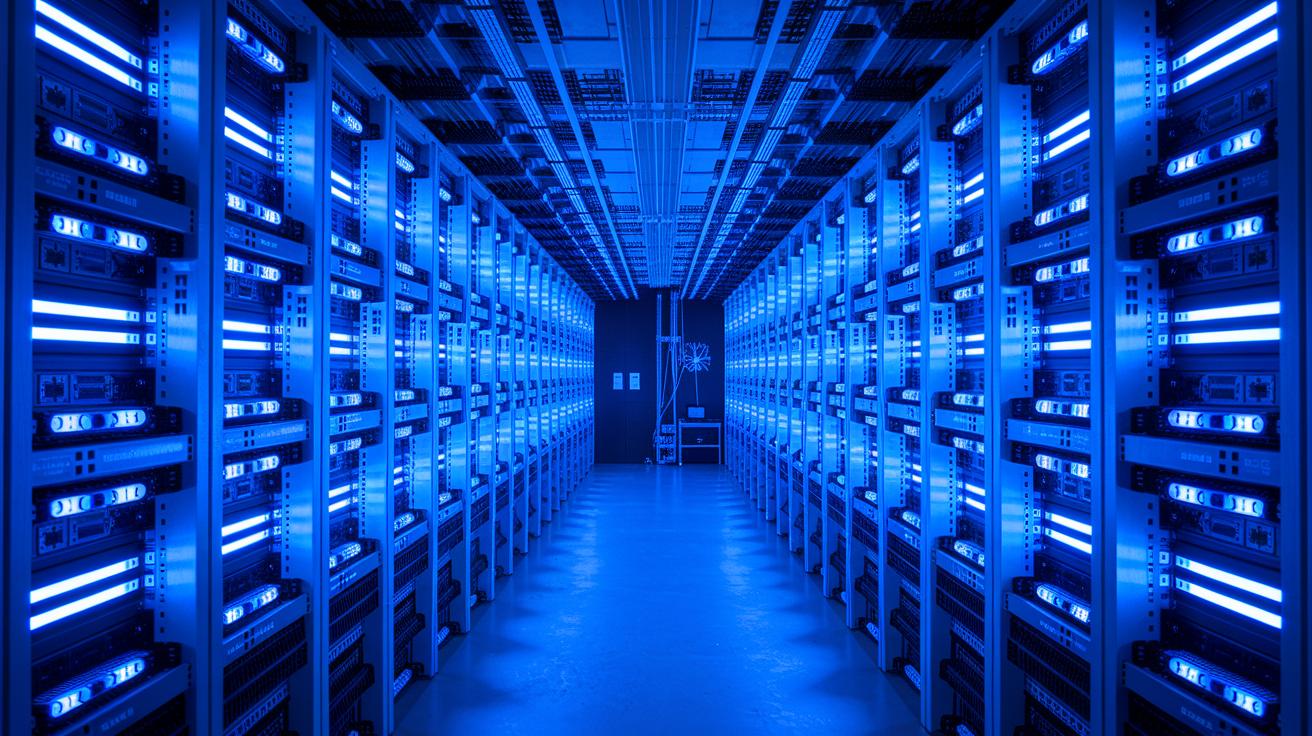
Distributed training across computer clusters is really pushing what AI models can do. When thousands of GPUs, TPUs, and CPUs work together, each handling billions of parameters, the system learns incredibly fast. This setup not only needs modern hardware but also a smart network that keeps all parts talking to each other. Think of it like an orchestra where every instrument must play in perfect harmony. Even one small mistake can slow down the entire performance.
- GPU clusters – groups of specialized processors that tackle many math problems at the same time and help speed up deep learning.
- High-speed interconnects – fast data channels that link different parts of the network, cutting down delays when information moves around.
- Storage arrays – reliable systems that store and quickly retrieve huge amounts of training data so the models never miss a beat.
- Cooling systems – special setups that keep everything cool and stop the hardware from overheating during heavy work.
Large language models lean on these systems to run thousands of GPUs nonstop for months. As AI training grows, the energy needs become massive. Experts predict that by 2030 or so, AI data centers might use up to 20% of the world’s electricity. On top of that, the advanced cooling required for all that computing uses a lot of water, sparking worries about using our resources wisely. Balancing huge energy demands while managing what we have is key to keeping AI training innovations running smoothly.
Neural Processing Innovations Shaping What Powers AI
Neuromorphic computing chips copy how our brains work, offering an energy-saving way to handle tough AI tasks. They’re built to work like neural networks (computer systems inspired by the brain), which means they need less power while still crunching a lot of data. This brain-inspired design helps AI systems run smoother even when they're processing heaps of information.
Neuromorphic Chip Architecture
Neuromorphic chips borrow ideas from the way our brains are wired. They work by processing data along many paths at once, cutting down on wasted energy and reducing heat. This setup lets them perform fast, low-power computations. Imagine a computer that thinks more like your brain, using tiny, efficient circuits to get the job done without getting tired.
Quantum Computing Hardware
Quantum computing hardware adds a whole new level of speed and accuracy for AI tasks. These systems can crunch complex math problems much quicker, making large simulations and detailed problem solving feel like a breeze. Think of it like swapping your bike for a jet plane when you need to zoom through challenges. The boost in speed from quantum processors is paving the way for breakthroughs in how fast and accurately AI can work.
Key AI Hardware Components in Advanced Computational Architectures

AI hardware has come a long way. Back in the day, a single general-purpose processor was enough. But now, AI needs tougher, smarter chips. Today’s systems mix different processors so they can work better, faster, and more efficiently.
Take CPUs, for example. CPUs like Intel’s Xeon series handle lots of tasks at once with many cores. They’re flexible and good for many everyday jobs, even if they sometimes lag on very specialized AI work.
Then there are GPUs, such as NVIDIA’s Tesla and RTX models. These are built to do many calculations at the same time, which is really important for deep learning and working with huge amounts of data.
You also have TPUs. These are custom chips, like Google’s Tensor Processing Units, made especially for neural network work. They deliver high speed and are very energy efficient.
And don’t forget FPGAs from companies like Xilinx. These chips can change on the fly as new AI tasks come up, making sure the system stays fast and up to date with the latest algorithms.
Together, these components work in harmony inside AI servers. They create a balanced system where a general-purpose processor meets specialized hardware. This combo lets AI handle everything, from training deep neural networks to running immediate tasks, with great speed and reliability. In short, these advanced chips not only power today’s AI but also pave the way for even cooler innovations in the future.
Cloud Compute Architecture and Scalable AI Networks Driving What Powers AI
Server farms today are way smarter than before. They can shift work around on the fly and share cloud resources, which is a big change from old-school computing. These dense groups of servers are built to train AI accurately, using fresh ideas that boost performance and cut energy use.
| Infrastructure Element | Role |
|---|---|
| Memory | Holds data and makes it easy to find quickly for processing. |
| Interconnects | Offer fast paths for data to move between processors and storage. |
| Power Supply | Provides steady energy to keep everything running smoothly. |
| Cooling | Keeps equipment at the right temperature. |
Cloud services all over the world now share and balance AI work using clever, fast algorithms (step-by-step instructions that decide where to send power). Imagine a system that moves extra processing power exactly when and where it’s needed, like water finding its way down a fast-flowing stream. This approach helps modern data centers move beyond old methods, and they’re discovering new ways to boost efficiency and performance all the time.
Emerging Trends and Future Directions in What Powers AI
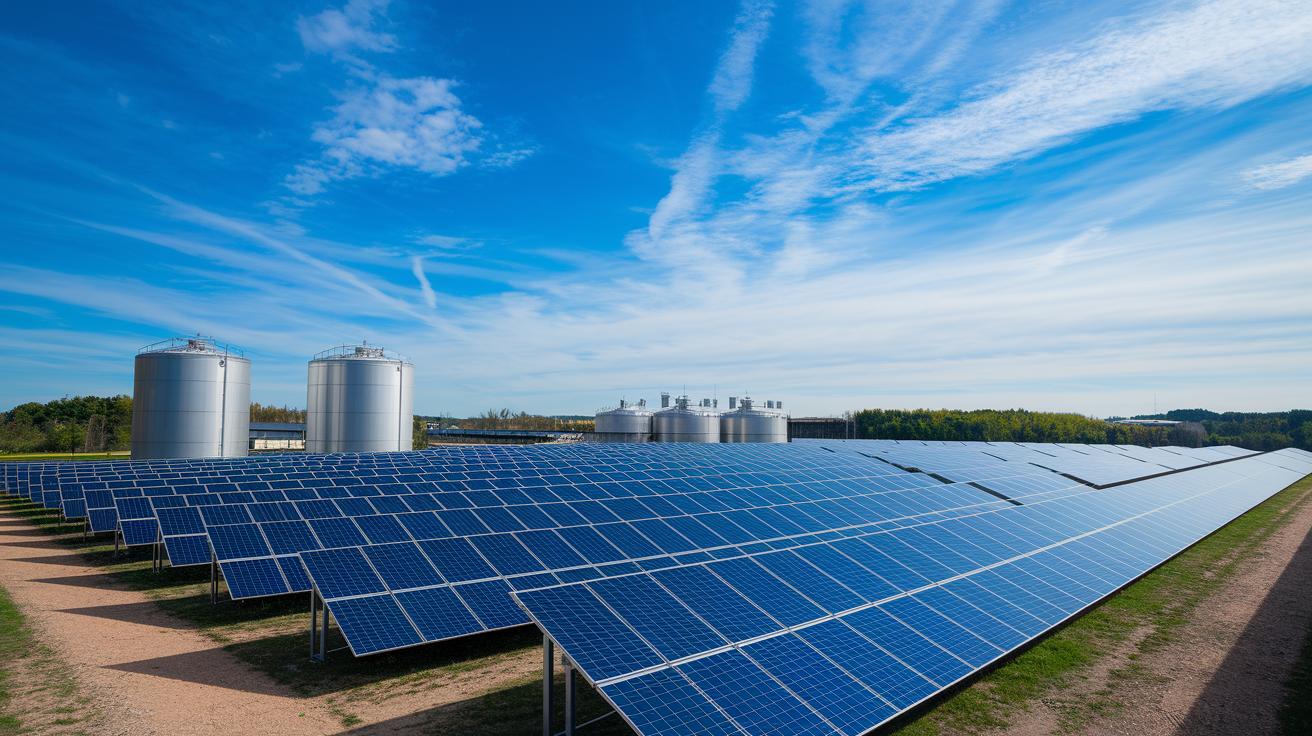
Big AI companies are making a move to power cleaner data centers by investing in solar and storage projects. Amazon is leading the way with plans for 13.6 gigawatts of solar energy, while Microsoft has agreed to use solar projects of 389 megawatts and 475 megawatts to run its operations. Meta has also locked in several solar deals (200 MW, 505 MW, and another 200 MW) to keep renewable energy flowing smoothly. And get this, a joint $100 billion in the Stargate project by OpenAI, Oracle, and SoftBank is set to build a strong solar and storage network that could boost green AI progress.
Next, we’re seeing new hardware ideas that could change the game:
- Next-generation memory chips that let data load super fast while cutting down on power use.
- Fresh chip-making techniques that build tough, efficient processors.
- Smart designs that keep energy use low even during the most demanding AI tasks.
These clean energy moves and tech breakthroughs could lower costs and reduce environmental footprints. In the long run, they promise a future where AI is not only clever but also energy smart, helping every industry that depends on high-performance computing go green and stay efficient.
Final Words
In the action, we broke down how core elements like algorithms, data, models, and computing infrastructure combine with advanced processors and cloud networks to build AI systems. We examined state-of-the-art hardware from CPUs to specialized GPUs and quantum chips, and how scalable servers drive large-scale model training. Each component plays its part in shaping tech today. Keep exploring and stay inspired by what powers AI as it transforms everyday digital experiences.
FAQ
What powers AI?
The question “What powers AI?” refers to the mix of fast hardware and smart algorithms. AI runs on specialized chips such as CPUs, GPUs, ASICs, and FPGAs working with large data sets and intelligent models.
Does water power AI?
The question “Does water power AI?” highlights water’s role in cooling. Water isn’t the fuel but cools data centers and hardware so that powerful computing systems run efficiently.
What powers AI data centers?
The question “What powers AI data centers?” points to advanced computing setups. Data centers rely on specialized hardware, efficient cooling systems, reliable power supplies, and robust infrastructures to support heavy AI workloads.
How does AI’s energy consumption impact systems?
The question “How does AI’s energy consumption impact systems?” means that training large models uses enormous electricity. Massive AI operations can consume a big share of power, pushing companies to explore cleaner energy options.
Does AI run on electricity?
The question “Does AI run on electricity?” confirms that AI systems depend entirely on electrical power to operate complex data centers, cooling systems, and compute clusters that perform heavy calculations.
What are the 3 best AI stocks to buy?
The question “What are the 3 best AI stocks to buy?” has no one-size-fits-all answer. Many experts mention companies like NVIDIA, Alphabet, and Microsoft, but individual research and risk evaluation are key before investing.