

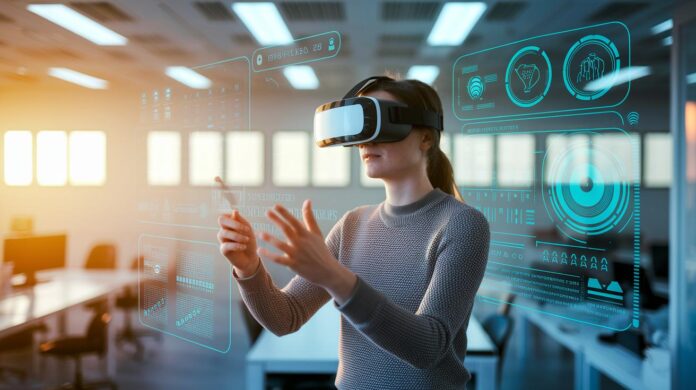

Have you ever wondered how our devices might change the way we see the world? New tech like AR and VR (augmented and virtual reality) headsets are doing just that.
These headsets mix real sights with digital layers. They either replace what you see or add fun, interactive details to everyday views. This change sparks debates about how we play, learn, and work. In truth, what once felt like science fiction is now a part of daily life for tech fans everywhere.
Overview of Immersive Technology Gadgets (AR/VR)
Virtual reality (VR) builds a whole digital world that pulls you away from the everyday. Meanwhile, augmented reality (AR) adds digital details on top of what you see around you. AR gives real-life scenes a boost with extra info, while VR completely replaces your view so you can get lost in its interactive space.
Headsets have come a long way to meet different needs. Standalone headsets have built-in processors and batteries, so you can move around without any cables. Tethered headsets, which hook up to a computer, use powerful graphics units (GPUs, special parts that make images look sharp) for amazing visuals. Remember the early days when smartphone-powered viewers were the norm? Now, rapid mobile chip improvements are making things even smoother.
- Standalone VR headsets
- Tethered/PC-connected headsets
- Smartphone-powered viewers
- Wearable AR smart glasses
- Mixed reality headgear
Understanding these types is super useful. It helps both everyday users and professionals pick what fits their needs best. Whether you’re diving into a game, using VR for training, or applying it at work, knowing the differences in mobility, picture quality, and ease of use is key. As mobile chips continue to get better, the lines between headset types blur, so having a clear idea of your options can lead to smarter tech choices in our fast-changing world.
Comparing Top VR Headsets for Performance and Immersion
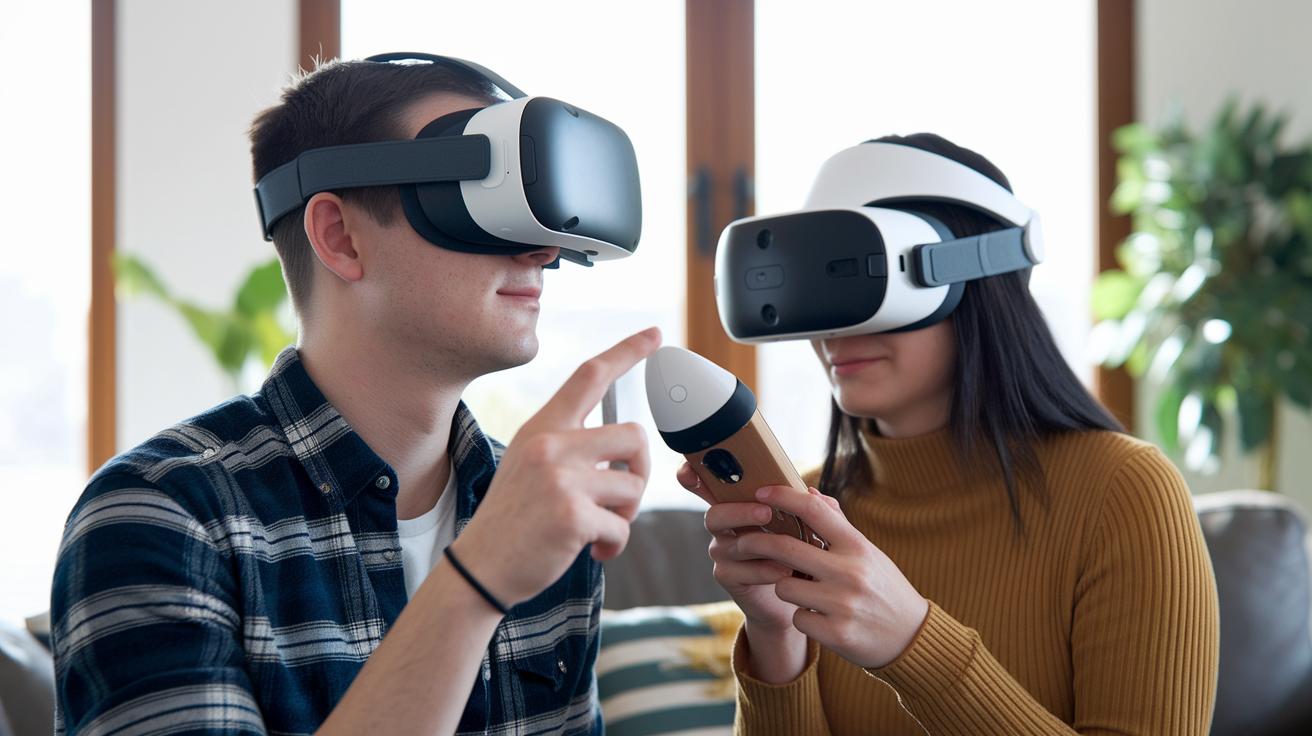
Choosing a VR headset is like striking a balance between power and cost. Some gadgets flash cutting-edge screens and offer super precise tracking, while others keep things affordable without losing quality. For instance, the Apple Vision Pro gives you stunning visuals with its dual micro-OLED screens and cool spatial audio, though its weight can slow you down a bit. On the other hand, the Meta Quest 3 offers a wallet-friendly, standalone experience with the bonus of PC streaming.
| Device | Price | Display Specs | Key Features | Recommended Use |
|---|---|---|---|---|
| Apple Vision Pro | $3,500 | Dual micro-OLED screens | Spatial audio, heavy form factor | High-end spatial computing |
| Meta Quest 3 | ~$500 | High-resolution standalone display | PC VR streaming, balanced performance | Casual and serious gaming |
| PlayStation VR 2 | $550 | Dual 2K OLED | Eye-tracking, immersive haptics | PS5 gaming experiences |
| Valve Index | Varies | High refresh rate (120 Hz), sharp visuals | Precise tracking, high fidelity | PC-based simulation and gaming |
| HTC Vive Flow | Varies | Standard portable display | Lightweight, great portability | Casual media and light experiences |
Every headset has its own vibe. If you’re a gamer with a powerful PC setup, you might find the Valve Index or PS VR 2 right up your alley. But if portability or saving some cash is more your style, then the Meta Quest 3 or HTC Vive Flow could be perfect. And, if getting top-notch visuals and immersive audio is your main goal, the Apple Vision Pro is hard to beat, even with its steep price tag.
Leading AR Eyewear and Mixed Reality Wearables in 2024
AR eyewear is catching more eyes as people dive into digital layers that brighten up the real world. These gadgets pop up helpful, moving info right over your everyday view, making your surroundings feel alive. And it’s not just gamers who enjoy this, teachers, workers, and many others are finding smart ways to mix real life with digital insights.
Take XREAL AR Glasses as an example. They let you enjoy a giant 130-inch screen, turning any space into a mini theater. The design is light and portable, perfect for when you’re on the go. Sure, some folks have mentioned that the battery could last longer and it might be a bit heavy for all-day wear. But the sharp visuals and big display still make these glasses one of the best in the AR market.
Then there’s the Rokid Max, which takes another route by blending digital content smoothly with what’s around you, whether for work or fun. It shows bright, detailed augmented visuals thanks to smart optical AR tech. Some critics say it would be even better with a longer-lasting battery and more built-in AI (artificial intelligence, meaning computer programs that can learn). And while the Apple Vision Pro AR mode gives super precise spatial computing overlays with a premium feel, its higher price tag might keep it out of reach for some.
Key Hardware Innovations Driving Immersive Gadget Design
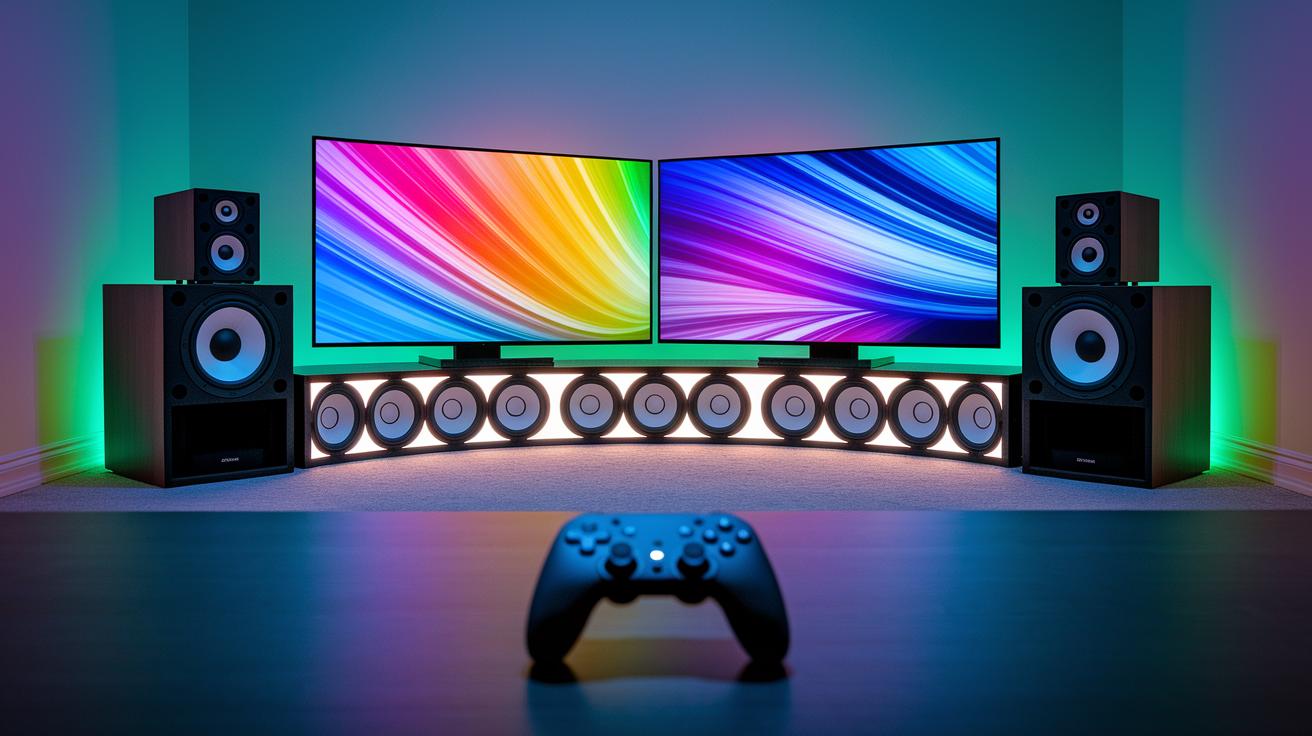
Immersive tech gadgets are breaking new ground with cool advancements in both displays and audio. For instance, dual micro-OLED and 2K OLED panels sharpen image resolution and contrast, giving you clear and lively visuals that pull you straight into the digital world. Plus, spatial audio systems bring in sound from different directions, matching the detailed visuals to create a realistic soundscape. These updated display and audio tricks make every experience feel both real and captivating.
Mini eye-tracking modules and room-scale tracking sensors are changing the way you interact with tech. They keep a close eye on your movements, which means the digital world can adjust right as you look or move. High-refresh-rate displays running between 90 and 120 Hz also help lessen any lag or motion sickness, so every gesture feels natural and quick.
Advances in haptic-feedback tools are adding even more depth to your experience. New wearable gadgets and other accessories can mimic different textures and pressure changes, almost like you’re feeling real objects. This extra sense of touch works together with the stunning visuals and lively audio, giving you a fully engaging, all-around tech experience.
Emerging Trends Shaping AR/VR Gadget Evolution
In 2024, AR and VR trends are changing the way we connect with digital worlds. These immersive gadgets are getting smarter and more intuitive so that our digital adventures feel natural and fun. Keeping track of these trends is important because they improve entertainment, training, and even our everyday routines. In simple terms, knowing what’s new helps everyone, from regular users to tech professionals, make better choices as the market shifts.
One cool trend this year is the rising use of generative AI filters. These are computer-processed effects that add lively digital enhancements to our experiences. And there are neat upgrades in multi-sensory add-ons like better haptics (touch feedback) and wind simulation. This means our augmented and virtual reality sessions now respond effortlessly to our movements and surroundings. It’s not just about having fun; these improvements boost productivity and make training sessions more realistic. Wow, technology is really coming to life!
Then there are phygital experiences, which mix the real world with digital layers for a truly interactive feel. These gadgets make our daily environments more engaging. For example, educational programs like the Assemblr Certified Trainer initiative have reached over 11,000 teachers in Indonesia, showing real benefits in learning and engagement. Curious for more? Check out digital innovation trends at TheTechcrunchy for extra insights. This shift in trends is opening up a world of exciting future possibilities.
Practical Applications of Immersive Technology Gadgets
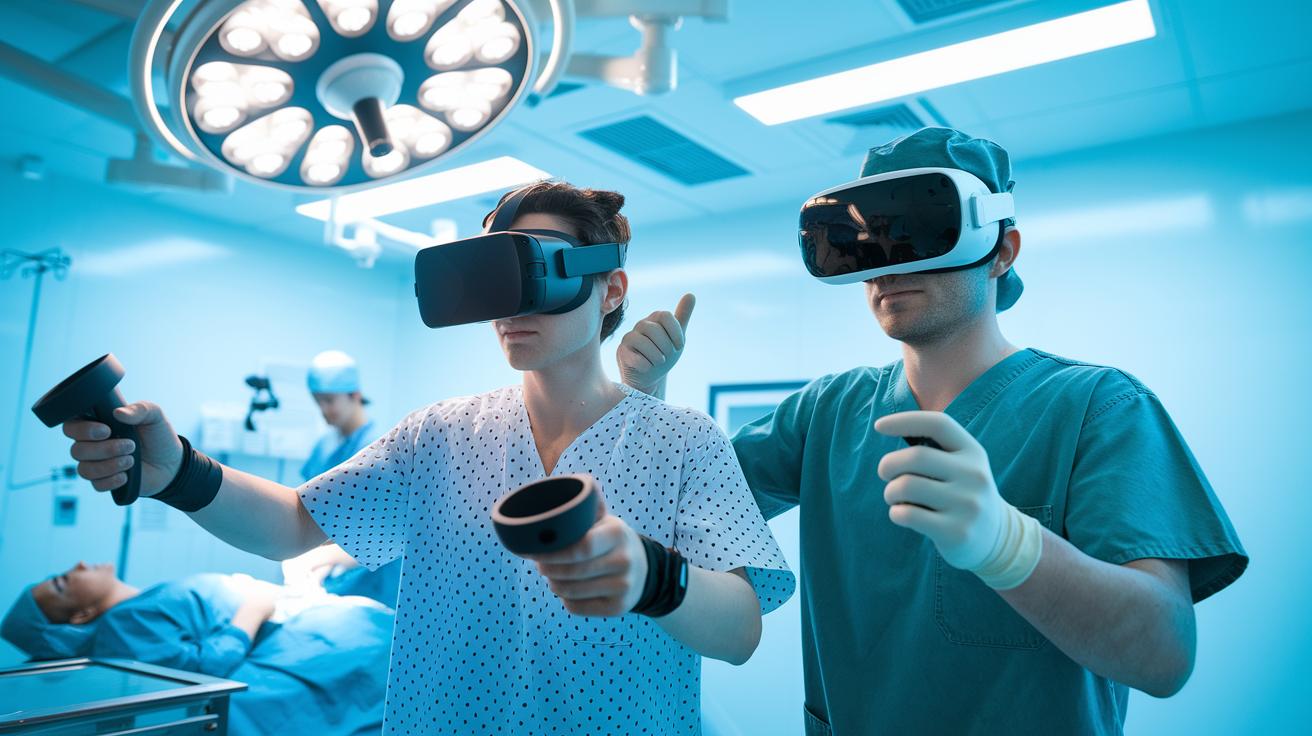
Immersive technology is changing our everyday lives in many areas. It makes digital tasks feel real by turning complex processes into hands-on experiences. Whether it’s high-quality gaming or helping in hospitals, these gadgets make a big difference.
Devices like the Valve Index and PS VR2 take gaming to a whole new level. They drop you straight into the action, making every moment feel incredibly real. And in businesses, VR training helps new employees learn in a safe, controlled setting. It’s like practicing real work scenarios without any of the risks.
Hospitals are getting in on the action too. AR-guided surgeries and VR rehabilitation programs make treatments more interactive and easier to follow for patients. In stores, AR apps let you see how furniture, clothes, or makeup will look in your own space. This simple tool builds trust and helps customers make better choices.
Schools are also leveling up with this tech. Interactive VR learning platforms and Assemblr tools (which bring 3D lessons to life) have reached thousands of teachers, transforming dull classrooms into vibrant, tech-powered spaces.
In short, immersive tech gadgets are far more than just game-changers. They help train workers, speed up patient recovery, guide smart shopping, and turn learning into a fun adventure.
Challenges and Future Outlook for Immersive Gadgets
Immersive gadgets are exciting, but they still face real hurdles that hold them back. Many headsets run out of battery too quickly, which means you can’t use them for long sessions. They can feel heavy and bulky, making extended use uncomfortable compared to a sleek, glasses-like design. Plus, these devices often struggle to show lifelike avatars, and their software options are still pretty limited. Without richer and more engaging features, it’s hard for users to see the full magic of immersive tech.
Experts believe that soon, these gadgets will become as common as smartphones. New improvements in displays, lenses, and materials mean headsets will be lighter, comfier, and last longer on a single charge. As manufacturers continue to refine their designs and build stronger software, immersive gadgets are likely to become a part of everyday life both at home and at work. This progress will help blend our digital and real-world experiences even more smoothly.
Final Words
In the action, we explored immersive technology gadgets (AR/VR), breaking down AR vs. VR fundamentals, headset types, and the latest AR eyewear trends. We walked through key performance considerations from standalone to tethered headsets and highlighted how wearable designs and hardware innovations shape digital experiences.
This chat sparked insights into emerging trends and practical uses, from gaming to healthcare. Overall, each breakthrough brings clearer, richer experiences that empower users to embrace technology with confidence and optimism.
FAQ
What is immersive VR AR?
The immersive VR AR concept blends fully computer-generated environments (VR) with digital overlays on real-world scenes (AR). It drives devices like headsets to create engaging experiences for both work and play.
What are the immersive technology devices?
The immersive technology devices include standalone VR headsets, PC-connected headsets, smartphone-powered viewers, smart AR glasses, and mixed reality headgear. They serve various needs from gaming to professional use.
What are the technologies of AR and VR?
The technologies behind AR and VR use advanced displays, precise tracking sensors, and powerful processors. They combine spatial audio and high refresh-rate visuals to create interactive, engaging digital experiences.
Is fully immersive VR possible?
The fully immersive VR experience is achievable with high-performance headsets that offer precise tracking, high refresh rates, and detailed spatial audio. Continued improvements in design and processing enhance overall immersion.
Which new tech gadgets should we watch for in 2024 and 2025?
The new tech gadgets span innovative AR and VR devices, updated electronics, and evolving gadget categories in the USA. These products offer improved performance, portability, and interactive features that benefit both everyday users and tech enthusiasts.