



Ever wonder if your CPAP device is really doing its job every night? With so many options available, choosing one can feel like guessing in the dark. We chatted with actual users and experts to find out how well these machines work, how cozy they feel, and how easy they are to use. This review breaks down the perks of each device so you can choose the one that best fits your sleep routine and keeps your energy up. Curious to see which CPAP might be your perfect match? Keep reading.
cpap device reviews: Smart Choices for Better Sleep
We picked our CPAP machines for how well they work, how comfy they feel, and how dependable they are. We checked out features like auto-titration (a system that adjusts air pressure on its own), built-in humidifiers for extra comfort, and controls that are easy to use. Both expert insights and real user ratings helped us figure out which devices really deserve a spot on our list.
- ResMed AirSense 11 AutoSet – Our top pick. It automatically adjusts air pressure, has a built-in humidifier, and runs so quietly you might barely notice it.
- ResMed AirSense 10 AutoSet – Great for first-timers thanks to its super simple controls.
- ResMed AirMini AutoSet – Perfect to take on trips. It weighs less than 1 lb and even offers waterless humidification.
- Luna G3 Auto-CPAP – A budget-friendly option that still packs all the essential features.
- DeVilbiss IntelliPAP 2 – Widely recognized for its steady reliability, ease of use, and robust design.
Ratings show that today’s CPAP machines keep a steady flow of pressurized air to prevent your airway from closing. This keeps your sleep smooth and helps you wake up refreshed. Experts remind us that a comfy fit paired with reliable performance is key to sticking with your therapy. So, when choosing a CPAP device, think about what you need most, whether it’s portability for travel, ease of use, or a long-term reliable machine. We hope this friendly comparison helps guide you to better sleep and more energy each day.
Detailed Performance & Technical Specs in CPAP Device Reviews
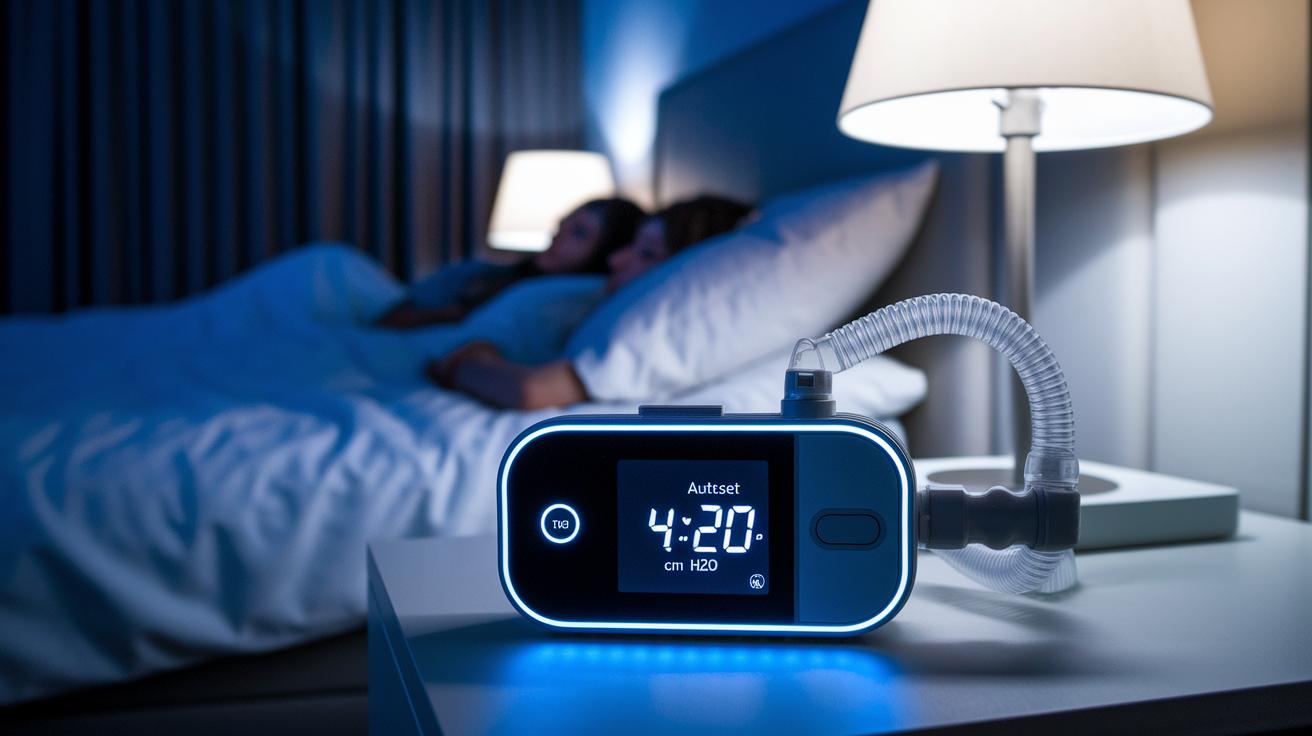
CPAP devices help you breathe easier by providing a steady flow of pressurized air (4–20 cm H₂O) that keeps your airways open. Some models, like those with an AutoSet feature, adjust the pressure on the fly to match your needs. It’s all about key details such as pressure range, almost silent noise levels (under 26 dB), steady airflow, and effective leak compensation. Modern machines, take the ResMed AirSense series, for example, run quietly so they don’t disturb your sleep.
Built-in humidifiers add moisture to the air to fend off dryness, making long therapy sessions much cozier. Together, these features pave the way for uninterrupted, smoother sleep.
| Model | Pressure Range | Noise Level (dB) | Weight (lbs) | Price Range |
|---|---|---|---|---|
| ResMed AirSense 11 AutoSet | 4–20 cm H₂O | ~26 | 6 | $800-$1000 |
| ResMed AirSense 10 AutoSet | 4–20 cm H₂O | ~26 | 6 | $600-$800 |
| ResMed AirMini AutoSet | 4–20 cm H₂O | ~25 | <1 | $800-$1000 |
| Luna G3 Auto-CPAP | 4–20 cm H₂O | ~26 | 3 | $300-$400 |
| DeVilbiss IntelliPAP 2 | 4–20 cm H₂O | ~26 | 5 | $500-$700 |
If you’re comparing home setups with travel-friendly models, consider what’s most important for you. For at-home use, steady pressure and good auto-adjustment keep your sleep restful. When you’re on the move, a quiet, lightweight CPAP makes a big difference. For home care, you might also value leak compensation and in-built humidifiers, while travel versions focus on keeping things light without sacrificing performance.
Comfort & Interface in CPAP Device Reviews
Finding the right fit and an easy-to-use design is key for effective sleep therapy. When your CPAP device fits well and feels simple to operate, it makes therapy feel natural and helps you sleep better. A well-fitting mask and a clear interface let you focus on relaxing instead of fiddling with settings.
Here are some important features to look for:
- Mask type – Choose among options like nasal pillows, nasal masks, or full-face masks to ensure a snug fit.
- Cushion innovation – Gel and silicone cushions help form a better seal, reducing leaks.
- Headgear design – Look for adjustable straps and ergonomic designs that lighten pressure on your head.
- Humidifier control – Easy-to-reach settings allow you to manage the built-in humidifier and avoid dryness.
- UI ease-of-use – Bright displays, simple menus, and clear data screens make it easy to track your therapy.
When comfort meets clear controls, you’re more likely to stick with your treatment. A CPAP device that fits just right and lets you manage settings with ease turns your therapy into a smoother experience. This makes it simpler to follow your sleep apnea treatment and helps you enjoy better sleep.
CPAP Device Reviews: Price & Value Assessment

Budget options work great if you want a simple, dependable CPAP machine. These entry-level devices, costing less than $300, keep your airways open and add basic humidification to ease dryness. They are perfect if you're just starting therapy and need effective treatment without extra, pricey features.
Mid-range machines, priced between $300 and $800, offer a few extra perks. They usually come with auto-titration (an automatic adjustment of air pressure), run more quietly at night, and have a clearer display to check your settings. This range is a good fit if you want a balanced mix of performance and comfort.
Premium models cost over $800 and bring top-notch technology into play. They feature wireless connectivity (for remote checks), advanced tracking to monitor your treatment, and built-in battery packs for better portability. If you're after the best features to boost your therapy, a premium machine could be a smart choice for a better night's sleep.
Patient Satisfaction & Reliability in CPAP Device Reviews
Users often tell us that their sleep has improved, their days feel more energetic, and they experience far fewer apnea events. Both real testimonials and clinical studies back this up, showing that these devices provide a smooth, steady treatment.
Many CPAP devices work well for 5 to 7 years. A model like the DeVilbiss IntelliPAP 2 stands out for lasting a long time and having few service issues. Users appreciate its steady performance and user-friendly features, even though a few minor hiccups have been reported.
Here’s what users commonly enjoy:
- Better sleep and a more refreshing night.
- Increased daytime energy and sharper focus.
- Fewer apnea episodes with healthier breathing.
- Reliable performance with minimal downtime.
On the flip side, a few users mention:
- Minor air leaks here and there.
- Occasional mask discomfort.
- A bit of unwanted noise in certain settings.
- Routine maintenance needed to keep it running at its best.
It’s a good idea to keep an eye on your device’s performance. With regular care, your CPAP can work well for up to 7 years, but experts suggest planning for a replacement around the 5-year mark to ensure your therapy stays effective.
Maintenance & Durability in CPAP Device Reviews

Keeping your CPAP device in top shape is easier than you might think. A quick daily mask wipe, a weekly tubing soak in warm water, and swapping out the filter every month can really help cut down on germs and keep your machine working smoothly. Stick with these simple tips, and you'll likely enjoy reliable performance for up to 5–7 years.
| Task | Frequency | Action |
|---|---|---|
| Mask | Daily | Wipe down with a mild cleaner |
| Tubing | Weekly | Soak in warm water solution |
| Filter | Monthly | Replace with a new filter |
| Humidifier | Monthly | Clean and refill the water chamber |
For the best durability, store your CPAP in a cool, dry place when you're not using it. And if you travel with a portable unit, follow the manufacturer's guidelines on battery care to avoid over-discharge or damage. Keeping it away from extreme temperatures and cleaning it regularly not only boosts performance but also helps your CPAP stay dependable for many years.
Final Words
In the action, we broke down the leading CPAP device reviews by measuring performance, comfort, and cost , from quiet operation and easy controls to long-lasting durability. The article offered clear insights through side-by-side comparisons, technical checks, and practical upkeep guidelines.
We explored price tiers, real user ratings, and maintenance routines that make each option a solid tech choice. These cpap device reviews simplify your decision-making, leaving you ready to choose a device that truly fits your sleep therapy needs.
FAQ
What do new CPAP machines without a mask offer?
New CPAP machines without a mask allow buyers to select the device separately from the mask so that they can pick one that best fits their comfort and facial structure.
What do CPAP machine reviews from Consumer Reports and other sources reveal?
These reviews provide insights on performance, comfort, and reliability. They guide buyers toward models that suit varying sleep styles and personal needs with clear pros and cons.
Which CPAP machine is best for side sleepers and overall comfort?
The best machines for side sleepers feature quiet operation, a secure seal, and an ergonomic design. These elements help reduce mask leaks and maintain therapy comfort during sleep.
What defines the best CPAP machine for 2025?
The top 2025 models integrate features like auto-titration, built-in humidifiers, and whisper-quiet performance, ensuring effective therapy and ease of use based on current user ratings.
What should I consider when buying a travel CPAP machine on Amazon?
Look for travel-specific models that are lightweight, easy to use, and backed by positive reviews. Options such as the ResMed AirMini perform well in portability and reliable therapy.
Which brand of CPAP is best?
ResMed is frequently rated highly for its reliability and advanced features, though brands like DeVilbiss and Luna also offer dependable options suited to various budgets and therapy needs.
What does the 4-hour rule for CPAP mean?
The 4-hour rule means that using your CPAP machine for at least four hours nightly is important for reducing apnea events and improving sleep quality effectively.
What are some downsides to using a CPAP machine?
Downsides include potential mask discomfort, minor air leaks, and nasal dryness. Regular maintenance and proper fitting often help in reducing these issues for a better experience.
How does CPAP therapy affect migraines?
CPAP therapy may lower migraine frequency by reducing apnea-induced stress during sleep. However, individual outcomes differ, and professional advice should be sought for specific concerns.