



Can digital tools and AI really change patient care? It sure feels like it. New tech is popping up in healthcare every day. Smart devices, fast computers, and wearable monitors are becoming part of our routine.
Hospitals are switching to modern systems that help doctors spot issues quickly and share details easily. For example, computers now help check images, and connected gadgets keep track of our health right away.
This post shares three key tech trends that make us feel hopeful about safer, faster, and better healthcare.
Overview of Key Technology Trends Shaping the Healthcare Industry
Healthcare is changing fast, and digital transformation is at the heart of it all. Medical professionals can now get to and make sense of data quicker than before. Updating old computer systems with the Binary Big Bang method (a way to quickly digitize information) has made sharing patient details simpler and smoother.
Around the world, hospitals and clinics are switching to modern systems that mix AI (artificial intelligence, which helps computers think a bit like us), machine learning (a system that learns and improves automatically), and various digital gadgets to speed up care. This change has made it easier to find and use data while also opening the door to new tools that help doctors diagnose and treat with more precision.
- AI and machine learning now help scan medical images in seconds, catching issues like strokes and breast cancer early.
- Telemedicine setups, like the SEHA Virtual Hospital, connect many facilities to share quality care across distances.
- The Internet of Medical Things links wearable devices so doctors can keep an eye on a patient’s health all day long.
- Robotics are lending a hand in surgeries and handling tasks around the hospital, which lightens the load on busy staff.
- Virtual and augmented reality are now part of training and even diagnostic tools, with a market that has grown to over $4 billion.
- Big data analytics brings together bits of information from different places to help predict risk and improve treatments.
- AI-generated synthetic health data lets researchers simulate clinical trials safely before trying new methods on real patients.
These tech trends are not only boosting how hospitals work, but they are also changing the patient experience by making care more personalized and effective. As healthcare keeps evolving and embracing these new digital tools (for example, see https://thetechcrunchy.com?p=528), there are plenty of chances to further improve how accurately and safely patients are treated.
AI and Machine Learning Trends in the Healthcare Industry
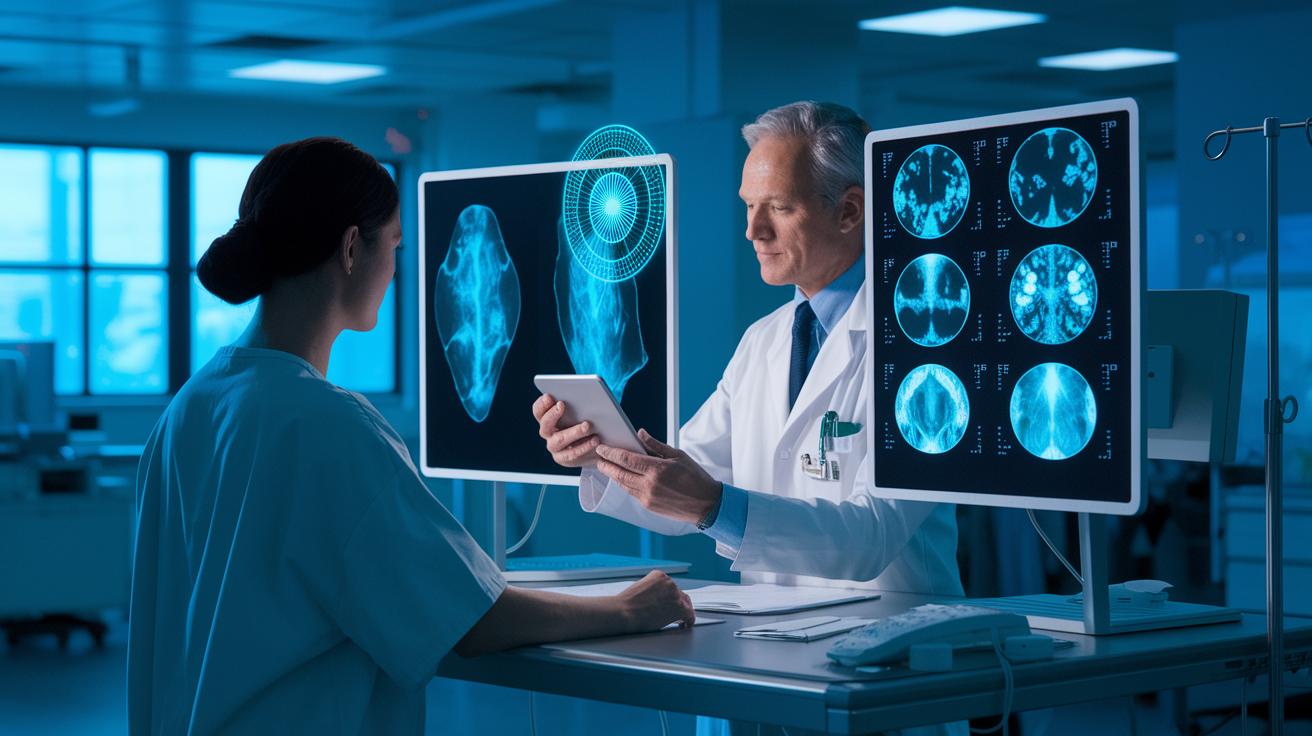
AI is shaking up how doctors work every day. It quickly studies scans and patient data, which means doctors can give more accurate diagnoses and tailor treatments to each patient. It’s like having a super-smart helper that finds details even the human eye might miss.
Hospitals are now using smart computer programs to spot early signs of problems like strokes and cancer in just seconds. For instance, these AI tools catch tiny patterns in scans that might slip by during a regular check-up. It’s a bit like how a keen friend notices details you might overlook.
Generative AI is also set to change the game in drug discovery by 2026. It speeds up how scientists check out new drug candidates and even simulates how these new medicines might work. AI agents now handle many tasks, sorting symptoms, setting up test schedules, reviewing results, and checking on patient care. This saves time and lets doctors focus on what really matters: their patients.
Plus, smart tech helps with paperwork too. Automated systems handle routine jobs like data entry and billing. This leaves more time for doctors and nurses to care for people rather than getting stuck with manual tasks.
These new tools promise more personalized care and less busywork for medical teams. Even so, there are still challenges, like keeping data safe and blending new systems with old ones. But overall, tech is paving the way for better, faster, and more human-centered healthcare.
Telemedicine and Virtual Care Technology Trends in the Healthcare Industry
Digital healthcare is changing fast. Telemedicine helps people get care that fits their busy lives. Doctors and patients are using online platforms that bridge distance and time, so you won’t have to sit in crowded waiting rooms or travel long distances.
Virtual hospitals are real now. Imagine a system that works like a normal hospital but is completely online. Patients can talk to doctors over video calls, and sometimes they even send pictures or data ahead of time so the doctor gets the full picture before the consultation. This setup often connects several facilities to serve hundreds of thousands of patients. It means that even if you’re in a remote area or a busy city, quality care is always close by, almost like having a digital doctor on call, just like a friend reminding you to take your medicine.
Remote patient monitoring is making a big splash too. Wearable gadgets and mobile apps track vital signs like heart rate every minute. This lets patients with chronic conditions keep a close eye on their health in real time. Plus, mHealth apps make it easy to book appointments, monitor symptoms, and set up medication reminders. Of course, rules and payment plans are still catching up with these cool new tools, so doctors are working hard to integrate them smoothly into regular care routines.
Internet of Medical Things and Wearable Health Devices Impact
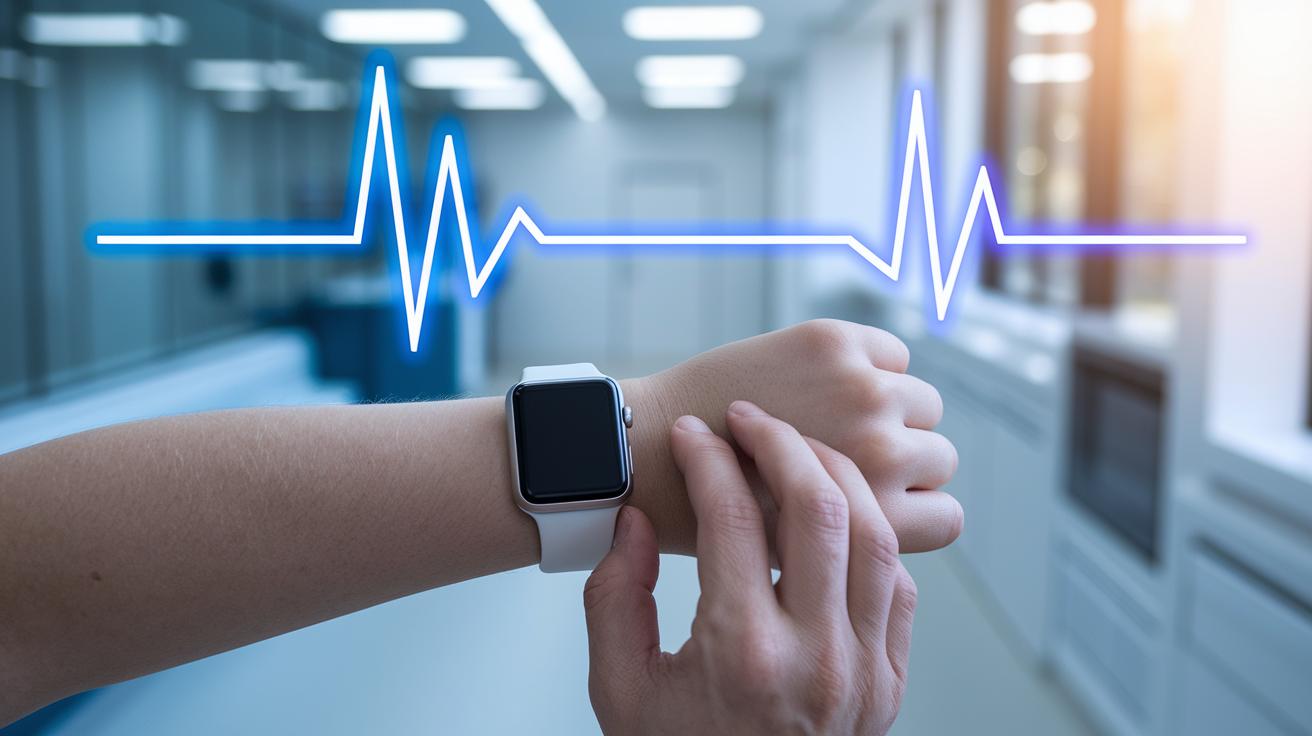
The Internet of Medical Things links wearable sensors, implantable gadgets, and home monitors to send your health data in real time. This smart network helps doctors keep track of patients continuously and tailor care to each person.
Every day, smart wearables are making it easier for patients to watch over their health. These devices keep an eye on your heart rate, blood sugar, sleep habits, and movement, offering quick updates that help with both long-term health issues and daily care. For instance, if a reading goes off track, the device sends an alert, almost like a personal assistant who never misses a beat. Plus, when these gadgets work with health apps and digital records, they keep you informed and ready to make better health choices.
Hospitals are also jumping on board and using these technologies to run more smoothly and care better for patients. By tracking where equipment is and managing patient traffic, hospitals can better plan room assignments and use their resources wisely. Even the environment in smart hospitals adjusts itself, lighting and temperature change based on how busy or full a room is to keep everyone comfortable and safe. These upgrades make it easier for devices and medical teams to share important information.
Even with all these benefits, mixing data from different wearables and sensors isn’t without its challenges. Making sure all the information lines up correctly across various devices is key to truly unlocking the power of these smart tools in both patient care and hospital management.
Big Data, Analytics, and Predictive Models in the Healthcare Industry
Today, healthcare generates tons of data. Hospitals and clinics collect information from many sources like electronic health records (EHRs), genetic databases, wearable devices, and public health records. All of this data helps systems predict things like which patients might need extra care or which issues might pop up. Tools like clinical decision support systems and easy-to-read dashboards turn all that raw information into useful tips right when it matters most.
| Data Source | Primary Uses | Benefits for Patients |
|---|---|---|
| EHRs | Storing detailed patient histories | Better accuracy in diagnosing and planning treatments |
| Genomic Databases | Analyzing genes and biomarkers | Personalized treatments and tailored therapies |
| Wearables | Real-time health tracking | Early warning for health changes and managing long-term conditions |
| Public Health Records | Monitoring disease trends | Better planning for community health and risk reduction |
Sharing information easily is crucial in healthcare. When hospitals follow data-sharing standards, it breaks down barriers and lets teams securely swap important details. This smooth flow of data improves how care is coordinated and makes it fairer for everyone. Plus, by using these combined insights, hospitals can plan ahead and nip problems in the bud. Meanwhile, as rules adjust to protect privacy, advanced analytics work hard to deliver better outcomes while keeping patient safety in mind.
Robotics and Automation Trends in the Healthcare Industry

In hospitals, robots are changing the way surgeries and care are done. They help doctors perform small cuts and precise moves with steady control. These machines lower the risk of problems and help patients get better faster. Early tests even show that patients do well and that the whole process runs smoother.
Robots are also helping older adults. In places like Japan and South Korea, friendly robot assistants help with moving around and doing small tasks every day. They work all day and can support elderly patients without taking away the warmth of human care.
On the admin side, automation is big news too. Robots now handle routine jobs like giving out medicines, cleaning and sterilizing tools, and moving supplies around the hospital. This cuts down on mistakes and lets staff spend more time with patients. Pilot projects have shown that these changes make hospital work faster and less confusing.
Still, not everything is easy. Hospitals need to think about whether patients will trust these new helpers, how much they cost, and how the staff adjusts to using them. Ongoing reviews are key to making sure these robotic tools truly help both patients and healthcare workers in the long run.
Augmented and Virtual Reality Technology Trends in the Healthcare Industry
AR (augmented reality) and VR (virtual reality) are turning heads in healthcare. They are changing the way doctors train, plan surgeries, and even help patients feel more at ease. These tools let both staff and patients step into interactive worlds that make regular care feel like a hands-on adventure.
Virtual reality is now a go-to method for rehab, easing fears, and managing ongoing pain. In 2024, the global VR healthcare market topped $4 billion, showing that these digital techniques are trusted by many. Picture a patient diving into a virtual space where exercise feels as fun as playing a game, all while reducing pain and boosting recovery.
In surgery, AR brings digital notes right into the operating room. It adds extra details to what the doctor sees, making it easier to plan and guide precise procedures. Many top academic centers are already using mixed-reality headsets to plan surgeries and educate patients, which helps make operations smoother and quicker.
Of course, challenges like cost and a steep learning curve can slow things down. Even so, these new tools bring fresh hope for more personal, high-tech care.
Final Words
In the action, we saw digital transformation speed up patient care with smart data networks and virtual hospital solutions. AI and machine learning boost diagnosis and treatment, while IoMT and wearables keep tabs on health every day.
Robotics, big data, and VR/AR add another layer of precision, all part of the sweeping changes in technology trends in healthcare industry. These tech updates bring brighter outcomes and a better future for us all.
FAQ
Q: What are the key technology trends in healthcare over recent years and moving forward?
A: The key trends include digital transformation, telemedicine, AI, IoMT, robotics, wearables, and augmented/virtual reality, all working to improve patient care and operational efficiency.
Q: What technology will have the biggest impact on healthcare?
A: AI and telemedicine are set to make a big impact by enhancing diagnostics, streamlining clinician tasks, and expanding access to care through virtual platforms.
Q: What are some examples of technology in healthcare and information technology in healthcare?
A: Examples include telemedicine platforms, wearable sensors that track vitals, robotic-assisted surgeries, and AI-powered diagnostic tools, all driving efficient care.
Q: What statistics illustrate technology in healthcare?
A: Statistics show a growing digital transformation, with virtual reality healthcare valued at over $4 billion and telemedicine hubs serving hundreds of thousands of patients annually.
Q: What do scholarly articles say about technology in healthcare?
A: Scholarly articles analyze digital transformation, AI breakthroughs, telemedicine growth, and interoperability challenges, contributing to a deeper understanding of industry trends.
Q: What is the importance of technology in healthcare?
A: Technology improves diagnostic accuracy, streamlines workflows, enhances patient monitoring, and supports personalized treatments, leading to better outcomes and efficient care delivery.
Q: What emerging technology is influencing nursing?
A: Emerging tech in nursing includes remote monitoring devices, wearable sensors, and AI-driven tools that help nurses track patient conditions and manage care more smoothly.
Q: What is the biggest technology challenge facing healthcare today?
A: The biggest challenge is integrating diverse digital systems securely while keeping patient data safe, which requires robust policies and coordinated tech solutions.
Q: Are technology trends common in the field of medicine?
A: Yes, technology trends are integral to medicine, improving everything from diagnostics and treatment methods to administrative processes and overall patient care.