

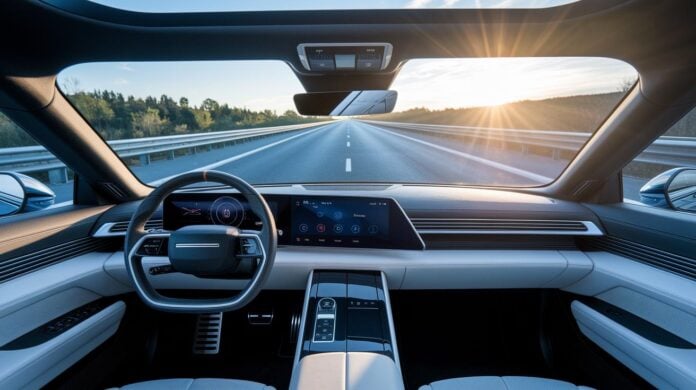

Ever think the future of driving might already be here? In 2023, people bought 78 million new cars worldwide, and that number got everyone excited. The boost came as supply chains got better (meaning getting parts and goods became easier) and buyers felt good about their money.
Asia-Pacific led the charge, selling more cars than many regions. Next, we’ll dive into the trends shaping the auto world and take a closer look at electric cars (vehicles powered by electricity instead of gas). It’s clear the road ahead is bright, even as makers work hard to keep up with shifting market needs.
Automotive Industry Trends: Bright Road Ahead

In 2023, car sales around the world hit 78 million units, a healthy 11.6% jump from the previous year. This rise happened because people felt good about buying, and the supply chain for parts got better. Buyers returned to the market with optimism, and manufacturers enjoyed smoother production processes and easier access to parts.
Asia-Pacific really stood out, contributing roughly 51.5% of all global sales (about 40.1 million vehicles). This strong performance comes from its large population and a booming middle-income group eager for upgraded rides. Local car companies are busy fine-tuning their production plans and offerings to match customers' changing tastes and budgets.
| Region | 2023 Sales (million) | 2024 Forecast (million) |
|---|---|---|
| Global | 78 | 83 |
| Asia-Pacific | 40.1 | Approximately 48.8 |
| Europe | — | — |
| North America | — | — |
Looking ahead, the forecast for 2024 shows a small 1.8% rise in global vehicle shipments, bumping the total up to 83 million units. While the growth pace is slowing down a bit, it still points to positive market conditions. That said, manufacturers will need to keep an eye on changing interest rates and monetary policies to plan wisely for the future.
Electric Car Advancements Driving Automotive Industry Trends
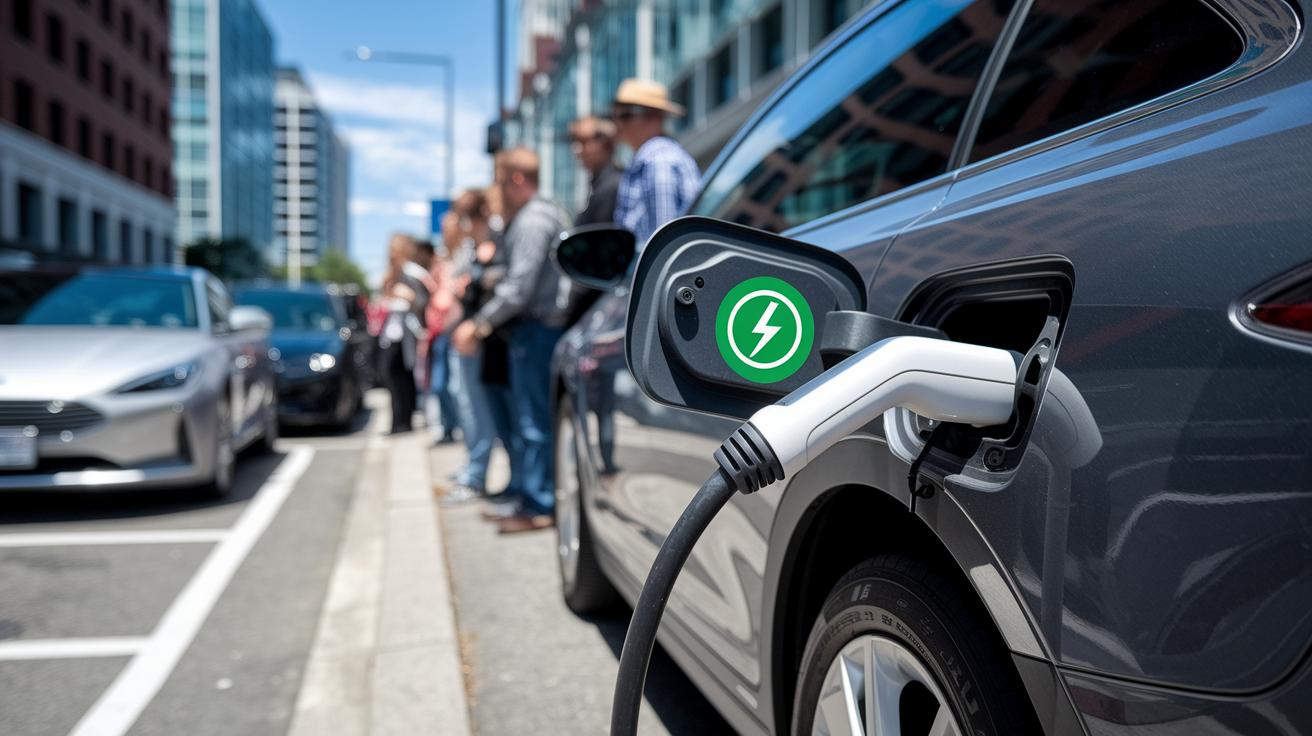
EV sales stayed strong in 2023. Even without as much government help, people still trusted that electric cars are the future. Car makers noticed that demand remained steady even when policies shifted. It’s a clear sign that drivers are ready for new electric models and a world where green transport wins.
Public charging spots grew by 25% this year, which helps ease drivers’ worries about getting stranded without power. At the same time, battery pack prices fell about 15%, making electric vehicles more affordable. These changes are key for speeding up the switch from gas to electric. Experts even say that by 2025, EVs might make up 15% of all car sales around the world, a sign of big green tech changes.
- More charging spots
- Lower battery prices
- Helpful government offers
- More car models to choose from
- Growing love for eco-friendly rides
All these factors work together to boost EV adoption. With better charging networks and lower production costs, the road ahead looks exciting for electric cars. It’s a change that’s reshaping how we travel and making our journeys cleaner and smarter.
Autonomous Driving Evolution Shaping Automotive Industry Trends
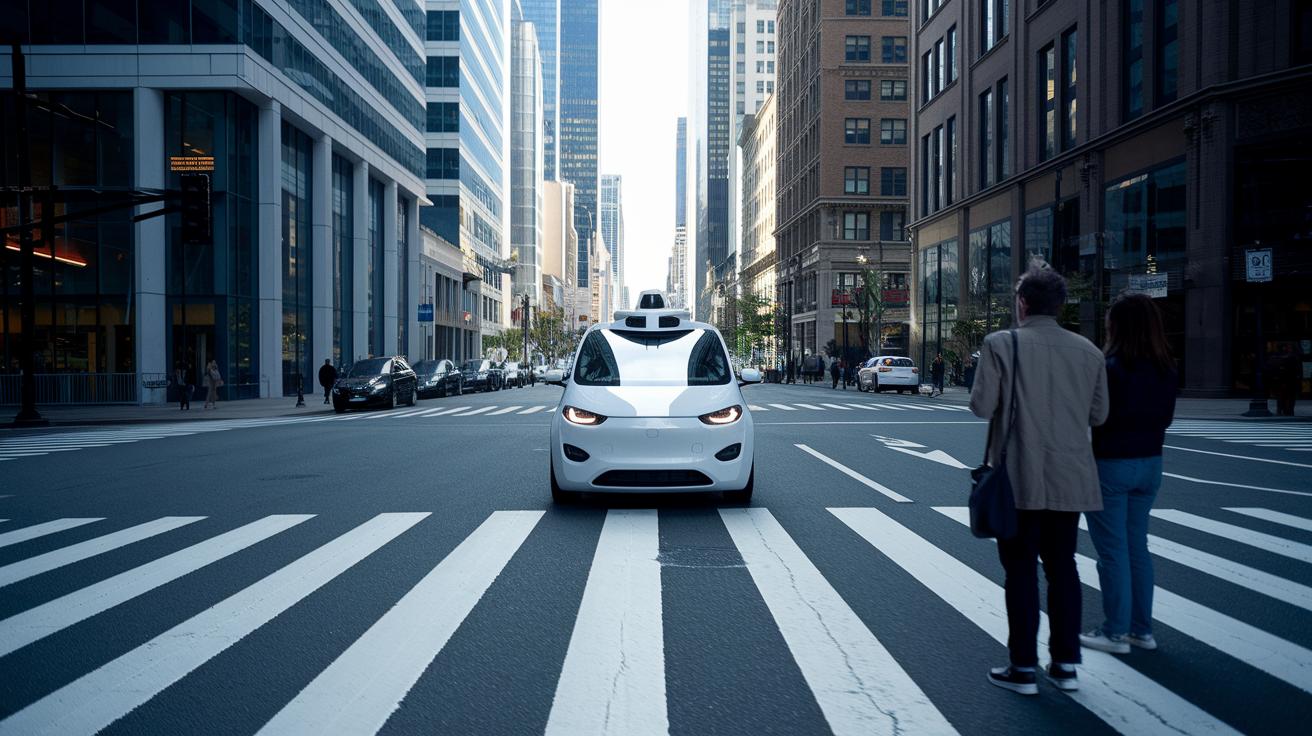
Investors are buzzing about self-driving cars as they rethink old business ways. Many believe these vehicles can radically change urban travel and open new doors for ride-sharing, delivery, and public transit. Companies are even wagering that soon we'll see self-driving cars as a regular feature on our streets.
ADAS, advanced driver assistance systems that help make driving safer, grew by 18% this year, acting as a stepping stone toward fully autonomous vehicles. Big tech firms and car makers are teaming up to embed smart ADAS features into more models. These collaborations mix expertise to boost safety and gradually roll out self-driving functions that win over drivers.
Exciting tech breakthroughs are also at work. Sensor fusion (the process of combining data from cameras, radars, and other sensors) gives cars a clear picture of their surroundings. And V2X, which connects vehicles with roads, traffic signals, and even other drivers, helps cars make better decisions on the fly. Together, these advances are laying a solid groundwork for true autonomy and shifting industry trends in ways we never imagined.
Vehicle Connectivity and In-Car Digital Experience Trends in Automotive Industry
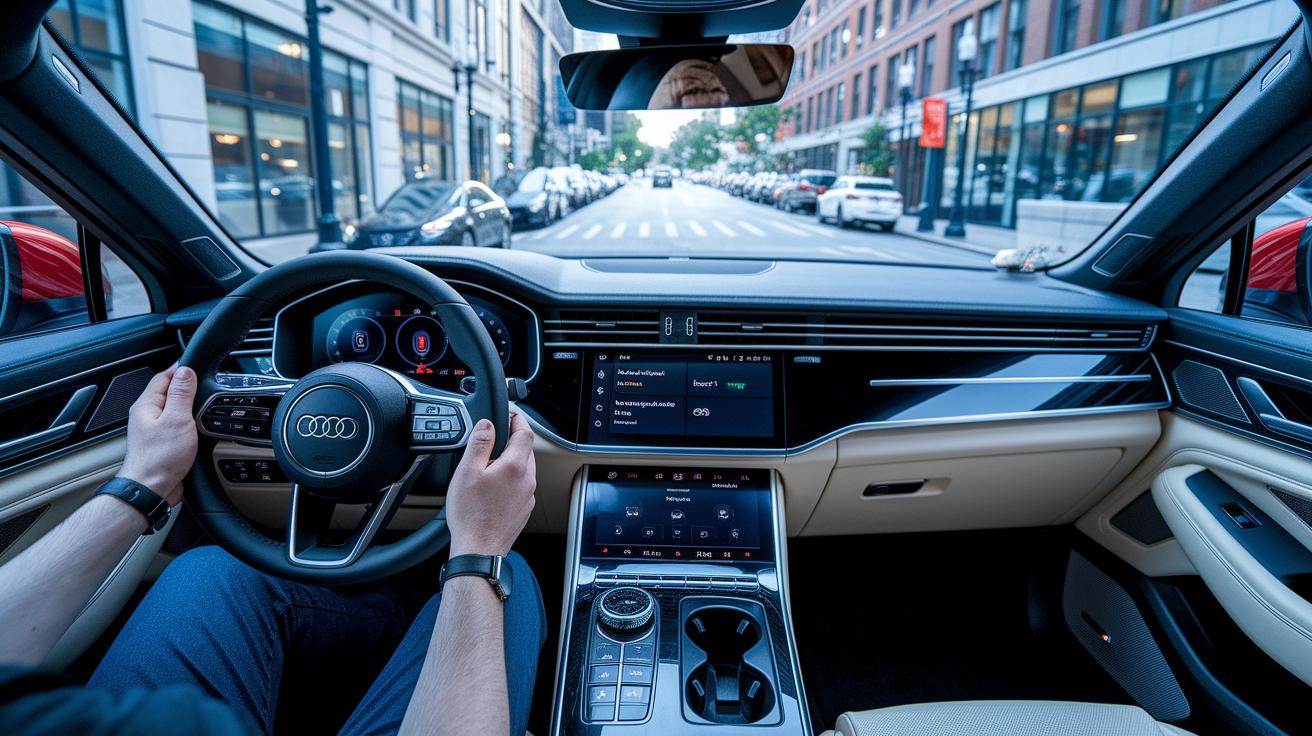
The rise of 5G and IoT is making our cars smarter than ever. With these tools, cars become always-online buddies that offer real-time directions, stream your favorite shows, and even check themselves for issues (remote diagnostics means spotting problems from afar). Imagine your car giving you a heads-up about a traffic jam before you even turn on the radio.
Digital cockpits and in-car entertainment are also getting major makeovers. New screens are bright and easy to use, boosting driver engagement by almost 30% compared to older models. It's a bit like having your own personal helper, one that plays music, shows apps, and keeps you in the loop with every detail of your journey.
Car companies are also figuring out new ways to earn money with data-monetization models like subscriptions and over-the-air updates (this means updating your car much like your smartphone). They’re turning everyday driving data into a smart source of income.
Looking ahead, we’re seeing exciting new partnerships. Original equipment manufacturers (OEMs) are teaming up with tech companies to create smooth, integrated systems where hardware, software, and live services work in harmony. In truth, this makes every ride feel more interactive and connected, like stepping into the future.
Supply Chain Modernization Trends in the Automotive Industry
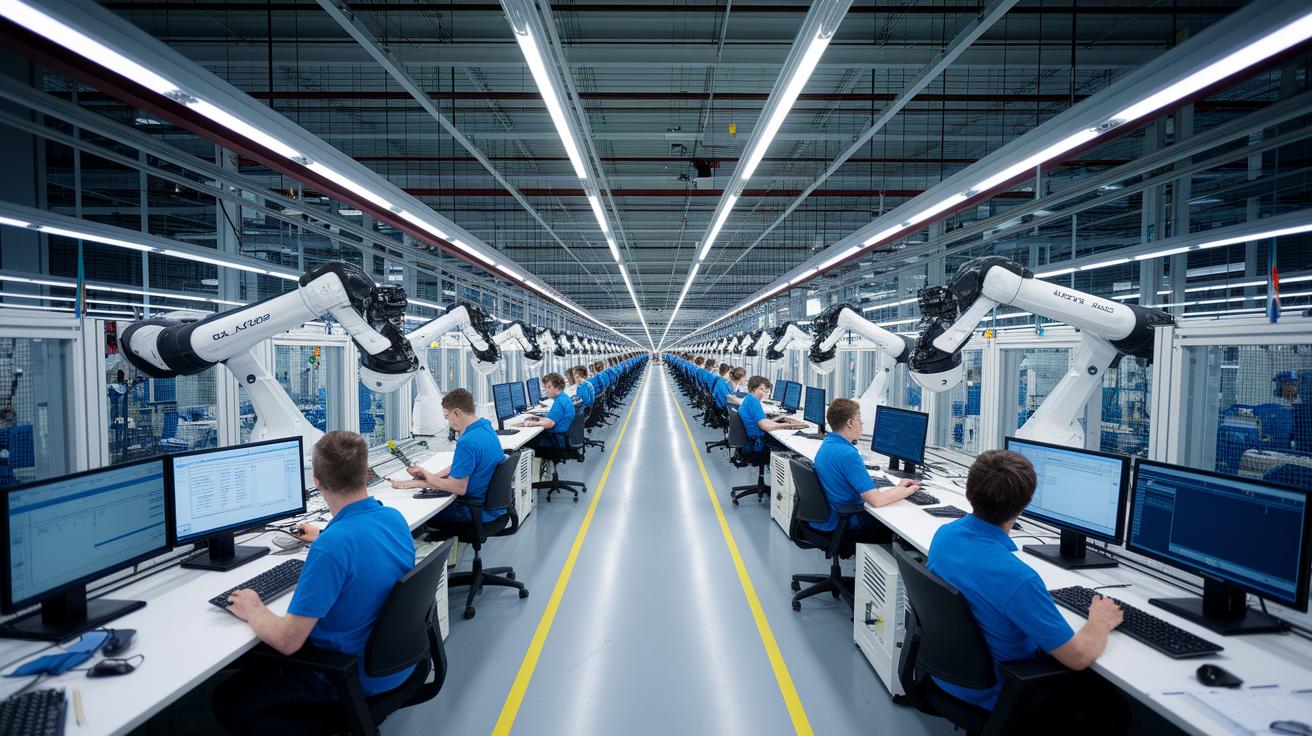
After 2022's slowdown, car makers ran into big supply chain problems that threw off production and scheduling. When the chip shortage eased, it helped drive an 11.6% jump in global sales in 2023. Now, companies are using digital upgrades and smart data tools (advanced analytics) to tackle these issues and keep everything running smoothly.
Robots and other factory automation tools have become real game changers. Real-time production data lets teams spot problems fast and fix them on the fly, which boosted output by 20%. That quick, hands-on approach has turned earlier setbacks into clear chances for improvement.
New smart factory projects are popping up in major production hubs. These pilot initiatives use connected systems (industry-based tech for modern factories) to simplify workflows and cut wait times by up to 15%. This change is nudging companies away from old methods and toward more flexible, responsive ways of working.
Looking ahead, car makers are optimistic about getting a strong return on investment and growing these modern systems further. With supply chain updates at the heart of long-term plans, businesses are set to enjoy lasting efficiency gains and stronger shields against future market shifts.
Automotive Consumer Purchasing Trends and Market Segmentation Analysis
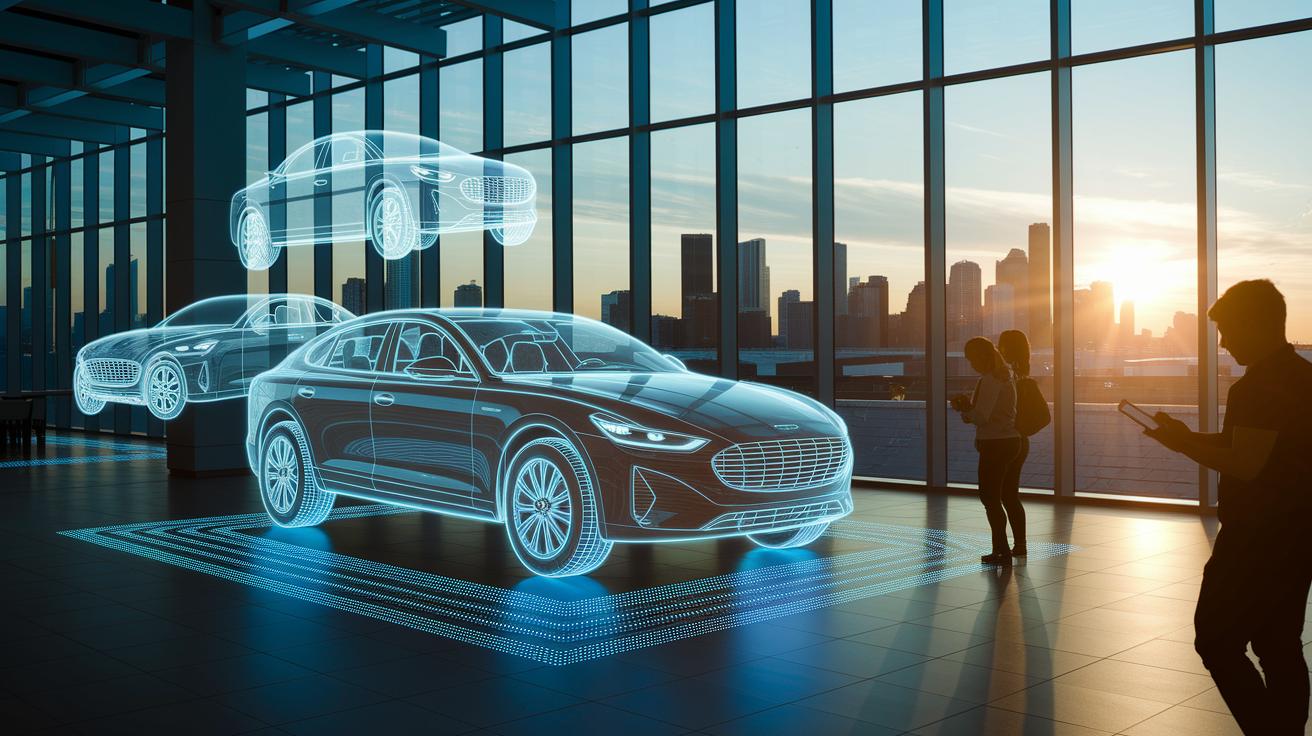
Digital retail is changing how we buy cars. In 2023, online vehicle sales grew by 12% because easier-to-use e-commerce tools made the process smoother. Ever wonder how tech transforms car shopping? Check out these emerging trends that are turning old-school dealerships into lively online marketplaces.
The U.S. auto market has had a rough time with low inventories and rising prices, which slowed overall sales. But luxury brands seem immune to these struggles. Even in a tight market, they recorded a 5% sales gain. It looks like people looking for premium vehicles still value a personal touch and top quality.
City life is also shifting how people move around. In urban centers, micromobility options like electric scooters and car subscription services jumped by 8%. This uptick shows that younger buyers prefer having flexible and cost-effective transport over owning a vehicle outright.
Car makers are now getting smart about what buyers want. By studying online shopping habits and changing vehicle preferences, they’re fine-tuning their offers to match everyone’s needs. Whether it’s a budget-friendly option or a luxury model, there’s something out there designed just for you.
Regulatory Impacts and Green Vehicle Strategies in Automotive Industry Trends
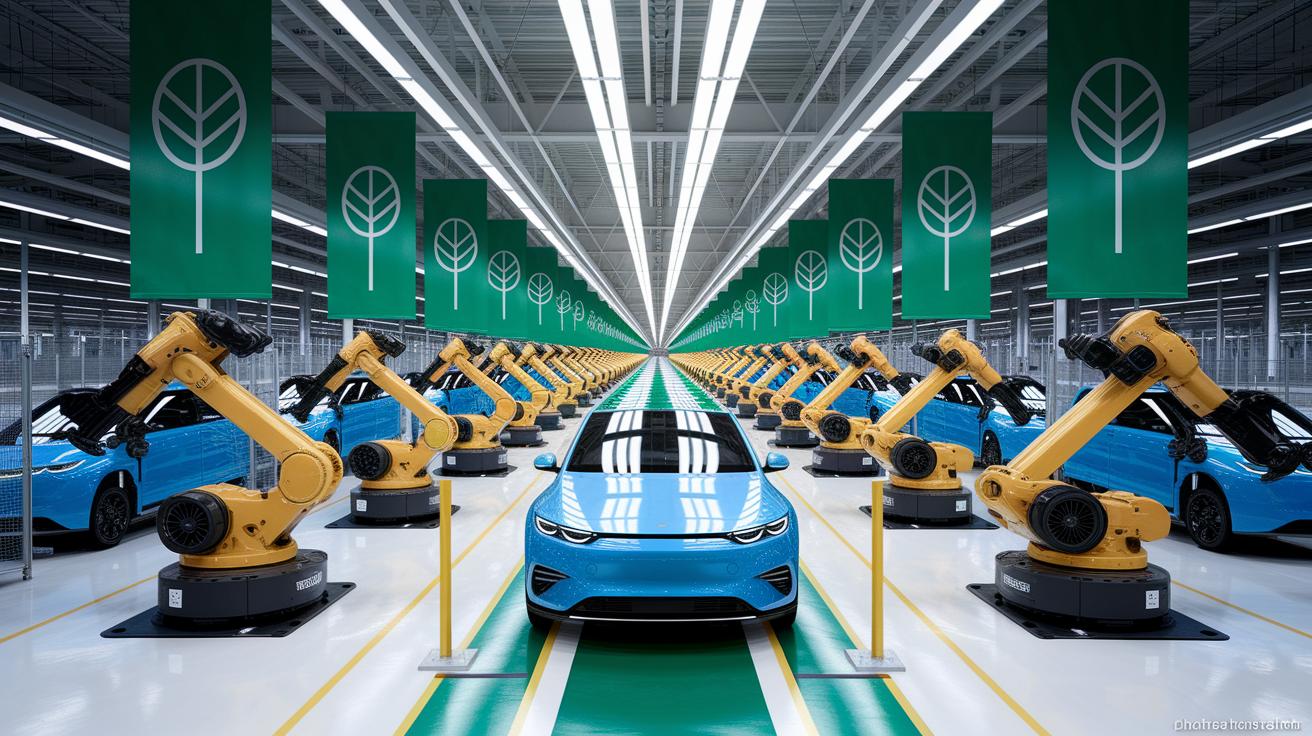
Governments around the world are setting stricter rules on emissions. Car makers now need to use cleaner ways to power vehicles. In 2023, fewer rebates for electric cars led buyers to think about saving money over the long term. New rules make companies come up with fresh ideas and update how they make cars. For instance, tighter limits on exhaust pollution push firms to try green alternatives and improve their production methods.
Car makers are also adding green goals to what they review in leadership meetings. That means eco-friendly plans are not just an afterthought, they're a core part of doing business now. Efforts like reusing old batteries and rebuilding parts fit into a broader plan where nothing goes to waste. These new tests run alongside the old ways, so companies have to balance costs with caring for the environment.
Going forward, fleets will shift more toward sustainable options as rules get tougher globally and companies set clear green targets. This change is set to reshape product lines and shake up the market, keeping the push for cleaner vehicles right at the center of car innovation.
Future Outlook: Next-Gen Powertrains and Mobility Innovations in Automotive Industry Trends
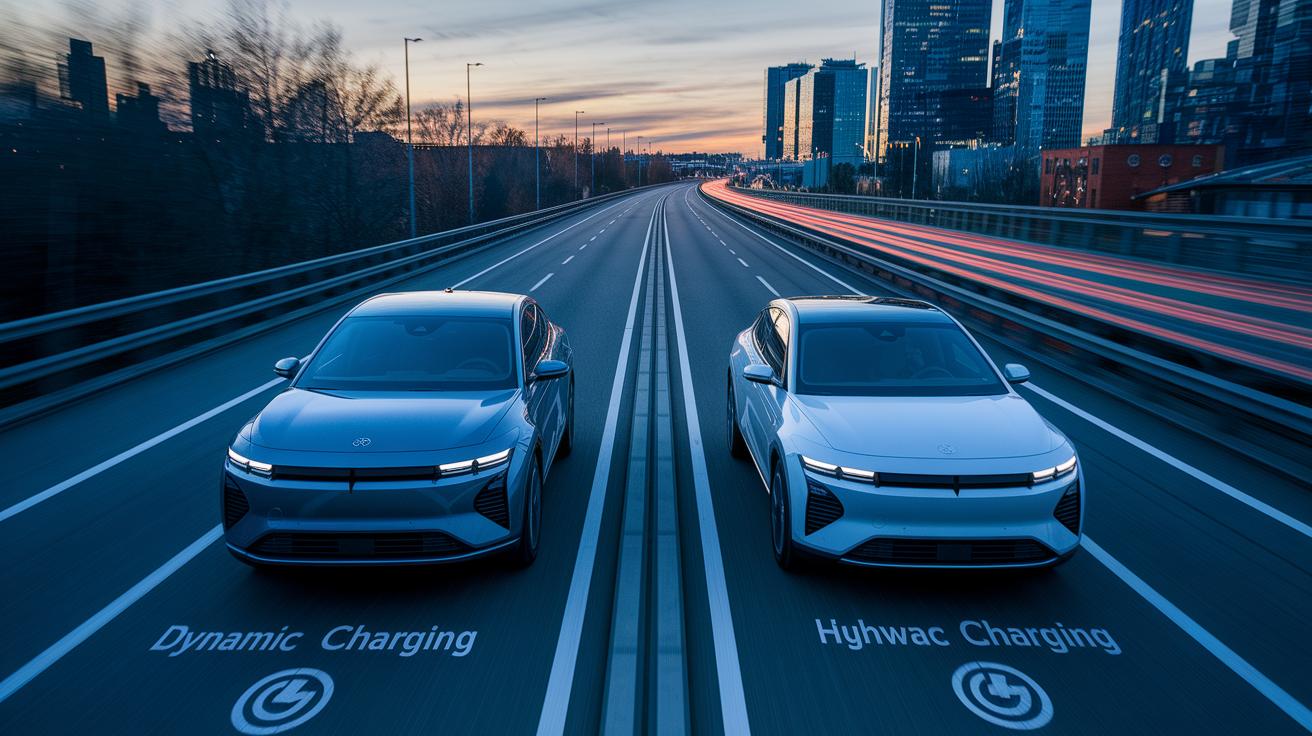
Hydrogen fuel cell vehicles are now strong partners to battery electric vehicles. Innovators are mixing in hybrid systems that give you both power and a smaller environmental footprint. Research labs and test tracks alike are seeing improved efficiency, which means less fuel use and fewer emissions. One driver even said it felt like stepping straight into the future!
On-demand ride services are also shaking things up. As more people choose digital ride-hailing, fleets are quickly switching to low-emission tech. It’s all about cost savings and a cleaner city vibe. Imagine booking a ride and knowing you're getting a smoother, quieter, and greener experience every time.
Then there’s the buzz around alternative fuels like biofuels and synthetic e-fuels (modern, low-carbon fuel options). Scientists are testing these cleaner fuels to replace older, dirtier ones. Think of it as using new tools to make modern transport both smart and sustainable.
All these breakthroughs in powertrain tech and ride services work together to hit big decarbonization goals. Industry experts know that mixing different engine types doesn’t just meet our needs, it drives us toward a cleaner, stronger, and more resilient future for everyone.
Final Words
In the action, we reviewed global vehicle sales, rising electric car performance, self-driving breakthroughs, and improved digital in-car experiences. We touched on better production methods, online buying shifts, and smart regulatory moves. Each topic connects to key automotive industry trends shaping the future of vehicles. This blend of market data and tech progress hints at exciting innovations ahead. Keep an eye on these changes, and let them spark optimism about what's coming next.
FAQ
Q: What are the current trends in the automotive industry?
A: The current trends in the automotive industry include rising global vehicle sales, advancements in electric cars with lower battery costs, improved connectivity in vehicles, and growing autonomous driving features.
Q: How does the US automotive industry perform amid changing consumer trends?
A: The US automotive industry shows shifts with rising online vehicle sales, challenges from low inventories and higher prices, while premium segments and digital retail are performing well.
Q: What have been the major trends from 2022 and what do experts expect for 2025 and 2030?
A: Trends from 2022 focused on supply chain recovery and tech integration. Looking ahead to 2025 and 2030, the industry is set to see further electrification, advanced autonomous systems, and improved digital in-car experiences.
Q: What are the mega trends shaping the automotive industry?
A: Mega trends include widespread electric vehicle adoption, the growth of connectivity with digital cockpits and infotainment upgrades, expedited autonomous driving technology, and modernized supply chains using smart factories.
Q: What do U.S. automotive industry statistics reveal about consumer and sales trends?
A: U.S. automotive statistics reveal steady growth in online vehicle purchases, stable yet challenging market segments in mass-market vehicles, and a continued shift towards premium and tech-enabled vehicle experiences.
Q: What is the future outlook for the automotive industry?
A: The future outlook shows increased electric vehicle market share, progressive autonomous and connectivity advancements, evolving supply chains, and policies aimed at boosting sustainability and advanced mobility solutions.