



Have you ever thought that a robot might be more than just a machine? Today’s robots combine a sleek look with clever AI (artificial intelligence that helps them think and learn) to move and learn in ways we haven't seen before. They use smart sensors alongside friendly software, sparking ideas about tech that adapts as you do.
This mix of new ideas and real-life advantages makes us rethink how we use our digital helpers. And sure, as we marvel at these innovations, we also have to consider important issues like privacy and data.
Let's dive in and see how these robots are changing the way we live.
Defining the Futuristic Robot Concept
Futuristic robots look like something from tomorrow. They have modern bodies with built-in sensors that help them see and feel their surroundings. They also use smart AI (computer programs that learn from data) to move and act almost like living beings. Imagine a fancy $20,000 helper that uses facial recognition (software that spots and identifies faces) and machine learning to keep getting better at its tasks while it learns about you. This mix of tough hardware and clever software shows us a future where robots are more than helpers, they become partners that grow with you.
But these gadgets aren’t just for simple jobs. Advances in areas like better prosthetics, new materials research, and even space projects (like those from Blue Origin) let them do amazing things. Whether it’s at home or in busy factories, these robots prove that smart design can solve everyday problems.
• Self-learning AI engines
• Multi-modal sensor fusion (tools such as LiDAR and depth cameras that help sense surroundings)
• Responsive haptic feedback
• Modular exoskeleton panels
• Self-healing or adaptive materials
• Virtual reality integration for remote control
• Data-privacy trade-off mechanisms
They keep getting smarter by using data to fine-tune every move. Sure, this means they work smoother and more accurately. But there’s a catch, these systems rely on a lot of personal info, which brings up serious privacy worries. Balancing cool tech innovations with protecting your information is one of the toughest challenges we face as we build the robots of the future.
Aesthetic Trends in Futuristic Robot Illustration

Sci-fi movies and video games have always sparked our ideas about what future robots might look like. We see smooth, shiny machines with bright, glowing parts and lively movements that almost seem to breathe. Artists have taken that playful style and used it to create detailed digital robot animations. Think of a movie scene where a robot’s shiny surface bounces light around in a way that feels magical.
Today’s robot art mixes cool elements like LED-lit frames, mirror-like metals, and see-through panels that hint at the inner workings. Concept artists blend polished metal finishes with changeable LED lights for a look that truly pops. This style, borrowed from pop culture, turns even the most technical details into something enjoyable, like watching a futuristic car sparkle on a busy street.
One great example is Engineered Arts’ Ameca. In live demos, Ameca shows off lifelike facial expressions and smooth, human-like gestures that really stand out. Its design and the way other robots are shown in films are shaping what we expect social robots to be. Fun fact: Ameca’s natural expressions amazed audiences and inspired a fresh wave of innovation in robot design.
Autonomous Futuristic Robot Evolution & AI Design
Inside futuristic robots, smart computer brains help them act in clever ways. They use facial recognition (tech that tells faces apart) and machine learning (software that learns from patterns) to adapt as they work. Their learning systems process what they see and make decisions in real time. For example, imagine a helper that improves with every task by turning everyday info into smarter moves.
Sensors are key too. Robots mix tools like LiDAR (laser scanning for distance), depth cameras (that show how far things are), and IMUs (devices that track motion) to sense and move around even messy spaces. Take 1X’s NEO, launching in 2026, it shows how blending sensors leads to safe, natural actions at home. It’s like having a keen observer that reads every detail, helping the robot move confidently in tricky spots.
Under all the cool hardware is strong software that ties it all together. Many systems use ROS (a tool that helps robots coordinate) and TensorFlow (software that powers smart decisions) for quick processing and team-like coordination. Ever wonder how the tech stack makes this happen? This mix of clever programs and sensor signals powers dynamic movement and sparks exciting ideas for future robotic breakthroughs.
Cutting-Edge Hardware in Futuristic Robot Development
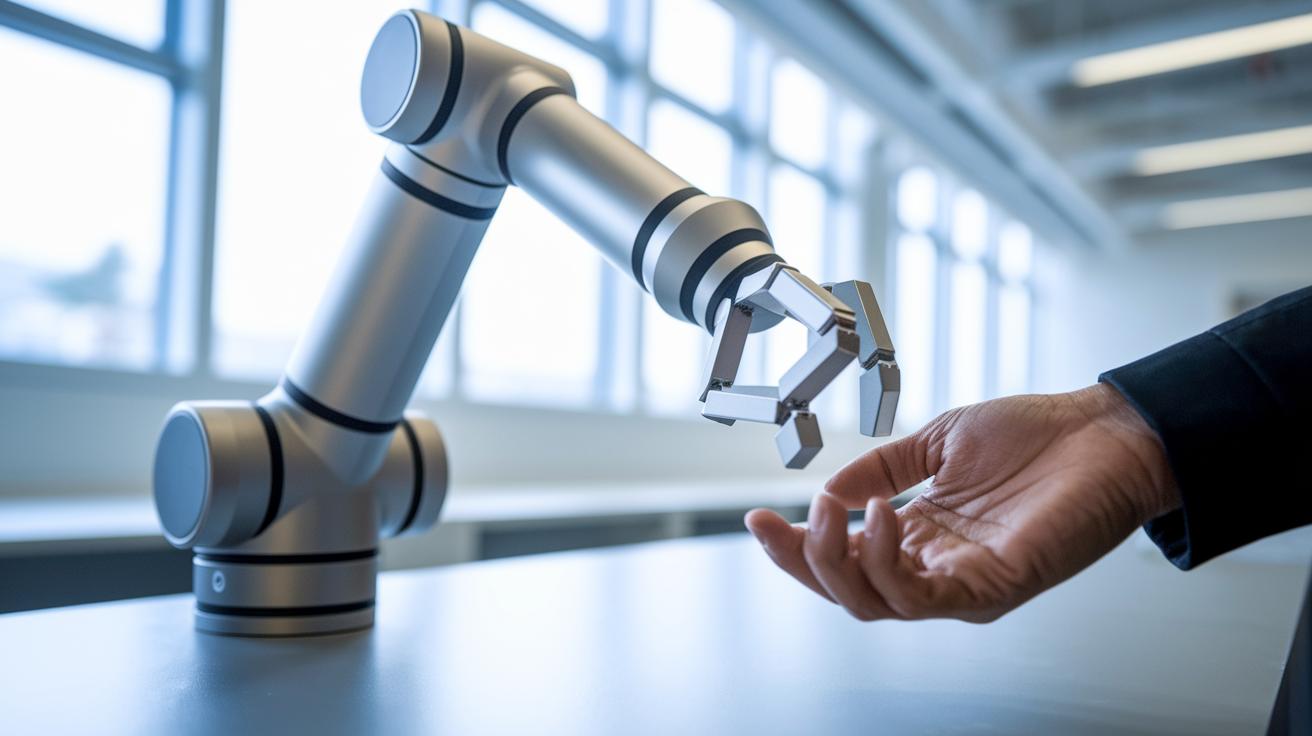
New hardware breakthroughs are pushing the limits of robot design like never before. For instance, haptics (touch technology) now gives feedback so small it’s measured in millimeters, making interactions feel almost human. At the same time, using cutting-edge materials like graphene composites (ultra-strong, lightweight materials) helps keep robots light and tough. When these innovations come together with smart mechanical arms and servo-driven limbs, prototype robots step from ideas into real performance.
Engineers are always tinkering with servo-driven limbs to boost what robots can do, whether it’s heavy industrial work or delicate tasks. They test every joint and part until each one works perfectly. This hands-on approach, with lots of rapid tweaks and tests, is turning theory into robots that are efficient and in total control.
| Feature | Example | Benefit |
|---|---|---|
| Haptic Feedback | Metagloves Pro Haptic | Sharp, precise touch control |
| Composite Chassis | Graphene Alloy Frame | Strong yet lightweight structure |
| Servo Motors | High-Torque Actuators | Smooth and accurate movement |
| Actuator Array | Custom Linear Drives | Controlled, reliable force |
In these prototype systems, every breakthrough works in harmony. The blend of crisp haptic feedback, light composite frameworks, and responsive servo motors makes robots move with an almost human fluidity. Custom actuator arrays ensure each action is safe and steady, bridging the gap between experimental ideas and real-world use. These advances hint at a future where robots are both strong and smart, reshaping the way humans and machines work together.
Futuristic Robot Roles: Domestic Helpers & Companions
Imagine a high-tech home helper that costs around $20,000 and is built just for cleaning. These smart robots mop floors, dust off surfaces, and even wash dishes, all while learning about your home to work even better for you. They use facial recognition and pattern learning (systems that notice recurring features) to know your daily routines and tweak their cleaning schedule accordingly. Every job they finish makes them smarter and more in tune with your needs.
Some of these robots go a step further by acting as companions. They can mimic pet-like behavior, showing little interactive gestures and helping out with basic tasks like keeping an eye on security or even assisting in elder care. Their smooth, friendly movements make them seem almost alive, turning a simple cleaning tool into a reassuring part of your everyday life.
Industrial and Tactical Futuristic Robot Case Studies
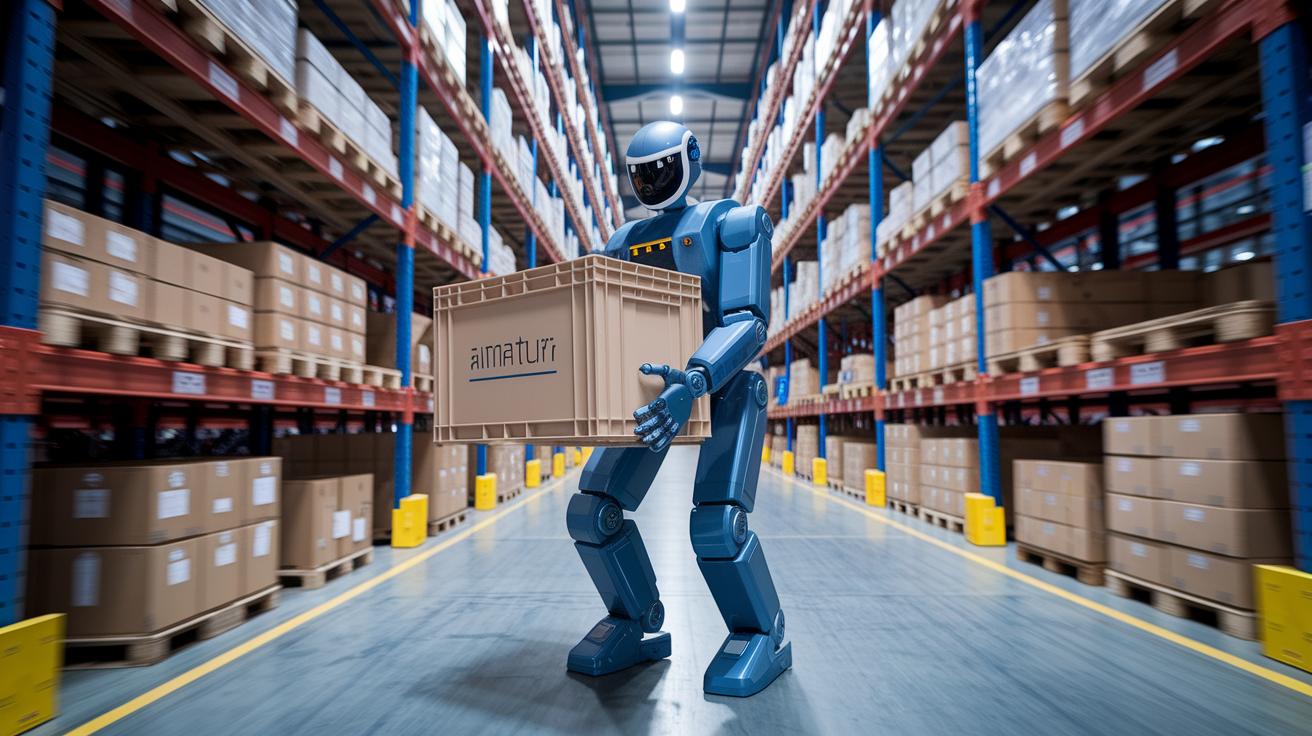
Boston Dynamics' Electric Atlas grabbed all the attention at CES 2026. This smart robot is built for moving loads and taking care of orders in busy places. It can handle heavy weights smoothly, Atlas can lift more than its own weight while moving like a seasoned athlete.
Apptronik Apollo is made for tough, heavy-duty work in factories. Its precise arms (called manipulators, which help it handle items carefully) make every move count. Apollo’s careful actions help boost work in fast-paced plants, showing that smart design paired with strong muscle really works.
Agility Robotics’ Digit walks like us and is perfect for city deliveries. Its smooth, flexible stride adjusts easily on bumpy roads and uneven ground. Digit makes getting packages to the right spot look simple, proving it can handle the challenges of busy city streets with ease.
NEURA Robotics’ 4NE-1 mixes advanced AI (artificial intelligence, which means it can learn and adapt) with refined sensors. This clever design lets it notice changes and work together seamlessly with people. Whether in factories or in defense settings, the 4NE-1 turns even tough tasks into smooth teamwork.
When you put these machines side by side, each one brings its own superpower. Electric Atlas is all about strength and endurance, Apollo has unmatched precision, Digit wins with agile moves on uneven paths, and the 4NE-1 impresses with its quick, responsive nature. Together, they are driving industrial and tactical robotics to exciting new heights.
Future Innovations & Trends in Futuristic Robot Science
Robot science is taking a big leap forward thanks to new ideas from different fields. Researchers are mixing space technology with virtual reality training and even prosthetic-device work (helping replace or enhance body parts). For instance, Blue Origin’s service bots, which work in zero gravity, show us how space robotics might change our everyday robot designs soon. And mixed-reality setups let engineers practice new control methods in a fun, safe way. Plus, combining cyborg interfaces with digital twin simulations (virtual models of real-world processes) gives robots a chance to try out new skills in a digital world before they work in reality. With defense teams like Space Force taking a keen interest, it looks like these trends might even head into outer space.
The outlook for next-generation robotic companions is just as exciting. Imagine helper robots made with self-healing materials that fix themselves after damage, so they last longer even in rough conditions. Engineers are creating virtual testbeds that simulate real-life challenges, making it easier to move ideas into reality. As these digital models get better, we could soon have robots that not only help with everyday tasks but also offer strong, reliable support in risky or hard-to-reach places. All of these innovations together give us a glimpse of a future where robots aren’t just machines, they’re smart partners in our daily lives.
Final Words
In the action from defining what makes a futuristic robot to exploring its diverse applications, the piece breaks down complex ideas into friendly, bite-sized insights. We saw smart design, evolving AI, and breakthrough hardware shaping everything from home helpers to industrial power models.
Every element, from responsive sensors to striking visual trends, builds a clear picture of a technological marvel that transforms our daily tech use. The future looks bright and full of promise.
FAQ
Frequently Asked Questions
Q: What is a futuristic robot?
A: The futuristic robot means a machine built with advanced tech like self-learning AI and integrated sensors (devices that detect surroundings), allowing it to operate smartly in various settings.
Q: How do futuristic robot designs appear in art such as drawings, cartoons, or costumes?
A: The futuristic robot designs appear as sleek, modern illustrations with metallic finishes and clean lines, seen in digital art, playful cartoons, and innovative costume designs that capture a high-tech vibe.
Q: Is Sophia AI33 real?
A: The phrase Sophia AI33 is used in discussions about humanoid tech, but there is no official model known by that name among the recognized robotics products.
Q: What is the 175000 robot girlfriend?
A: The 175000 robot girlfriend refers to a conceptual or promotional companion product, highlighting features of a partner-like robot, though specifics remain unclear in common tech conversations.
Q: What is Elon Musk’s new robot?
A: Elon Musk’s new robot points to recent discussions about a versatile, high-tech machine, though complete, official details of the model have not yet been fully released.