



Ever wonder how a little lab idea turns into the devices you use every day? Tech transfer takes new ideas from research labs and moves them to stores, much like a chef passing along a favorite recipe. Breakthroughs and patents grow into start-ups and handy products. This process links researchers with businesses, making fresh innovations easier for all of us to enjoy. Let’s dive in to see how tech transfer powers the things that shape our world.
tech transfer Boosts Commercial Innovation
Tech transfer is a hands-on method for moving fresh ideas from research labs into everyday markets. According to WHO TRS 961 Annex 7, it means sharing documented knowledge, even the little details from development or commercialization, between teams. It’s a bit like one chef sharing a secret recipe with another so both can improve their dishes.
It all starts when discoveries at universities are locked in with patents. This protection makes them ripe for licensing or even turning them into start-up companies. In plain terms, tech transfer takes brilliant ideas and turns them into products or services you see on store shelves. Imagine a breakthrough in energy storage from a university lab that eventually powers a modern electric car – all thanks to careful patent protection and licensing.
Everyday products like computer chips and medical devices often trace back to research done at universities and federal labs. This journey from research to market is vital because it benefits universities, companies, local communities, and even national economies. It’s like a simple idea in a lab evolving into a gadget that millions use each day.
By guiding ideas clearly from the lab to the market, tech transfer ensures that new technologies don’t just sit on a shelf. Instead, they meet real-world needs and build strong connections between research institutions and industry, paving the way for more accessible innovations for everyone.
Licensing Models and Agreements in Tech Transfer

University tech makes its market debut when an inventor submits a report of invention. That report kicks off a follow-up process, usually within two days, to make sure every detail is checked. This early phase mixes the inventor’s ideas with a close look at who owns what (intellectual property).
It’s interesting to note that a small lab breakthrough can quickly move from a public invention disclosure to a strategic patent. This rapid jump sets the stage for a big market splash.
Next comes the protection stage. Here, the focus turns to filing a patent or drafting agreements like MTAs (Material Transfer Agreements, which set clear rules for sharing research materials) and NDAs (Non-Disclosure Agreements, which keep sensitive information safe). Think of it as laying out the house rules before sharing a secret recipe.
After the invention is well-protected, licensing takes the lead. University licensing offices work hard to pass these patents on to third parties under fair and open terms that benefit both the research world and commercial partners. Whether it’s an IP assignment agreement or another smart licensing model, these strategies help turn ideas into profit. Picture a tiny stream growing into a mighty river that powers commercial success.
Key steps in this process include:
| Step | Description |
|---|---|
| Invention Disclosure | Inventor submits a report and receives quick follow-up |
| Protection | Filing patents or creating MTAs and NDAs |
| Licensing | University offices negotiate clear, fair licensing deals |
Each of these steps makes sure every piece of the puzzle is neatly in place for commercial success. Every type of agreement plays its part, from securely transferring materials to encouraging open collaboration. Simply put, a clear licensing model connects lab breakthroughs with the solutions that improve our everyday lives.
Strategic Industry–Academia Partnerships for Technology Transfer
Companies and universities are teaming up to quickly turn innovative academic breakthroughs into real-world products. They pool their resources, universities bring fresh research while companies offer funding and hands-on guidance. For example, a startup created in a university lab might receive technical support and advice from industry mentors, leading to rapid market acceptance in early tests.
Universities now collaborate more closely with industry experts to fine-tune their inventions. This teamwork gives researchers useful, real-world insights, kind of like having a seasoned guide on a tricky path. Public and private innovation networks connect government-backed projects with commercial opportunities, ensuring that products move from the lab to the market faster.
In addition to research, structured innovation programs provide handy training on commercializing ideas. Translational programs and start-up incubators help inventors navigate market challenges, offering a clear path to launch products that meet genuine needs. In short, these strong partnerships not only boost creative ideas but also speed up the journey from a lab discovery to a product that makes a difference in everyday life.
Roles and Responsibilities of Tech Transfer Teams

A strong tech transfer team brings together experts from R&D, manufacturing, quality assurance, quality control, and regulatory affairs. Think of it like a sports team where every position matters. In a lab, the R&D crew sparks new ideas while the quality control team checks every detail to turn a concept into a real product.
At the donor site, the team shares product knowledge and step-by-step operational methods. Meanwhile, the receiving site learns these methods and records them carefully using clear checklists and simple guides. This way, both sides agree on control strategies and testing methods (basic ways to ensure quality).
Tech transfers are done in stages. First, small batches are made and tested, then moved on to engineering batches, and finally scaled to commercial production. It’s a bit like trying out a new recipe in a small kitchen before cooking for a busy restaurant.
Good communication is key. Everyone, from the regulatory expert making sure rules are followed to the operators in manufacturing, stays in the loop. By working together and reviewing documents as a team, tech transfers become smooth and efficient, turning innovative ideas into products ready for the real world.
Metrics and Best Practices for Tech Transfer Offices
One of the main clues to success is time-to-license, which is the time between sharing an invention idea and sealing the deal. For example, one breakthrough got its license in less than a week, cutting the usual time nearly in half. This quick move shows how fast responses can really boost overall performance.
Other key numbers, like licensing revenue (money earned from deals), counts of active licenses, and spin-off rates (new start-ups growing from ideas) also tell the story. A fast journey from a lab idea to a market product often means the institution is adapting well and earning higher returns.
Clear and open negotiations make a big difference. When partners get regular updates and invention details are reported smoothly, decision-making becomes easier and delays are kept at bay. For instance, when a project shares every step with its partners, everyone stays in the loop and the system stays agile.
| Key Metric | Impact |
|---|---|
| Time-to-license | Accelerates deal closures |
| Licensing revenue | Boosts financial success |
| Active licenses | Ensures sustained collaborations |
| Spin-off rates | Drives innovative start-ups |
Following FDA and ICH guidelines (rules that help keep products safe) ensures a smooth scale-up in both clinical tests and commercial manufacturing. Keeping procedures current, last updated May 28, 2025, keeps the improvement going strong. Clear records and steady communication let tech transfer offices fine-tune these metrics over time. This careful tracking not only speeds up deals but also builds strong partnerships between research labs and industry players.
Case Studies of Successful Tech Transfer Projects
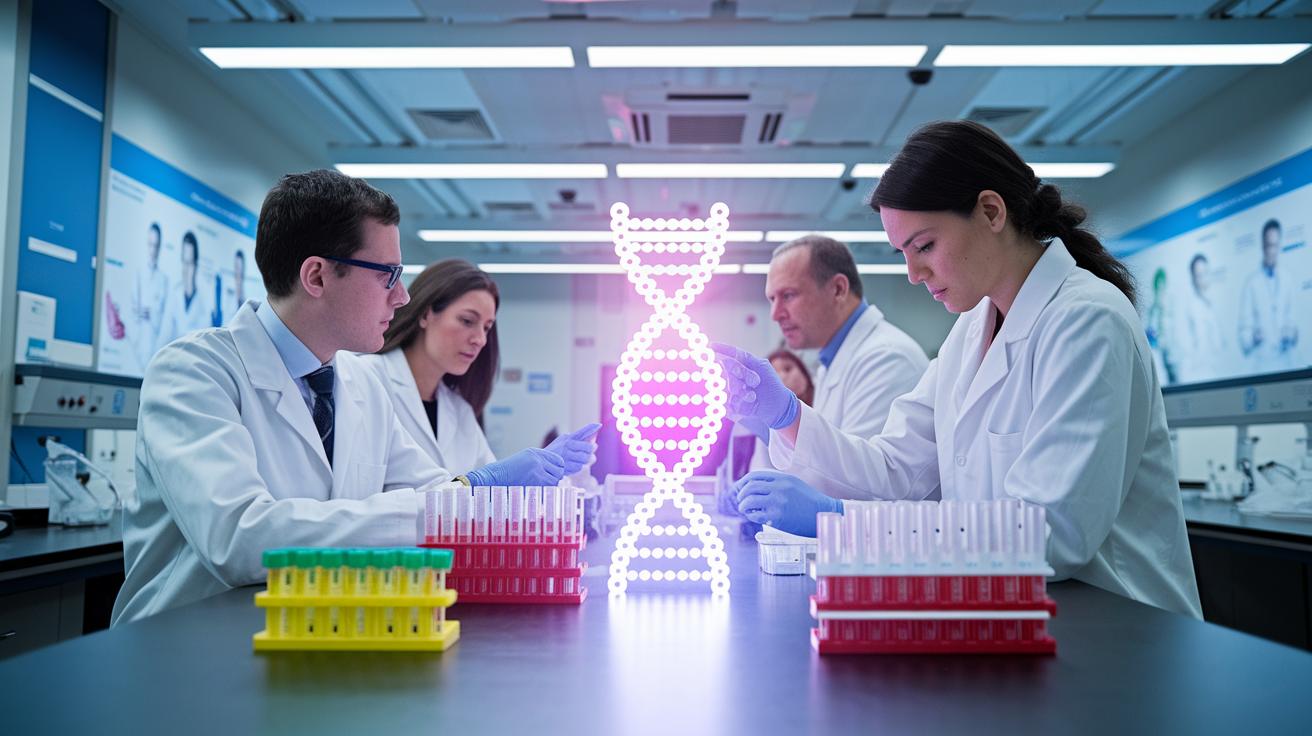
Before this trial, mesothelioma treatments barely scratched the surface when it came to immunotherapy's promise. A university license kick-started the very first clinical trial to test a new immunotherapy mix for mesothelioma. Researchers moved fast from the lab to the clinic, securing a patent right away and partnering up to license the breakthrough. One study showed that patients experienced safety and a clear molecular signal, a major win for winning over both clinicians and investors.
Next, researchers developed a fresh epigenetic method (a way to control genes without changing the DNA code) to target colorectal cancer. They saw the potential and quickly teamed up with an industry sponsor. This close collaboration moved the project from early research to a solid development stage, speeding up testing and unlocking more funding opportunities.
Then there’s the inspiring story of a student invention that stole the show at the ASME Innovation Showcase. Within just six months, the winning idea landed a licensing deal and attracted more investments. This story reminds us that new inventors can fuel big commercial successes and spark promising university spin-offs.
Finally, a new approach for making smaller microchips made a smooth jump from academic research straight into a contract development setup. The team used a step-by-step validation process, starting with small batches that were fine-tuned along the way. This careful planning paved the way for turning a lab discovery into a reliable method for producing microchips on a commercial scale.
Final Words
In the action of turning research insights into market wins, tech transfer is the engine driving innovation. This piece outlined the steps from lab discoveries to commercial success, from licensing models and clear team roles to dynamic academic partnerships and solid performance metrics. The detailed case studies show real breakthroughs that spark progress across industries. Each section builds on the next to paint a clear picture of how research becomes reality. Stay optimistic about how these strategies continue to boost our tech landscape.
FAQ
What does tech transfer do?
The tech transfer process converts research and academic discoveries into commercial products through licensing or startup formation, bridging the gap between the lab and everyday applications.
What is an example of technology transfer?
One example of technology transfer is a university licensing a patented invention to a company, which then develops it into a product we use daily, such as innovative medical devices or microchips.
What is university tech transfer?
University tech transfer focuses on moving academic discoveries to market by licensing patents or creating startups, fostering the practical use of research findings.
What are tech transfer jobs?
Tech transfer jobs involve managing the shift from research to market, including evaluating inventions, securing intellectual property, and forming licensing or startup agreements.
What is a tech transfer course?
A tech transfer course teaches the basics of moving research into commercial products, covering topics like intellectual property, licensing agreements, and industry partnerships.
What is Tech Transfer SEMA?
Tech Transfer SEMA typically refers to specialized programs or events that focus on sharing best practices in transferring technology, often within specific industry sectors.
How does tech transfer apply to pharmaceutical and biotech sectors?
Tech transfer in pharmaceutical and biotech sectors moves lab discoveries to drug development by licensing intellectual property or forming startups that innovate new therapies.
What is the tech transfer process?
The tech transfer process involves evaluating inventions, securing patents, and negotiating licensing agreements among academic, industry, and government partners to bring research to market.