



Have you ever imagined your car reading the road like a seasoned driver? ADAS technology makes that happen by using cameras, radar (a way to see objects using radio waves), and smart sensors to spot hazards before you even notice them. It helps cut reaction times and makes little adjustments to your drive when needed. Think of it as a sidekick that’s always watching out for you. With ADAS, every trip becomes a bit easier and a lot safer, giving you extra confidence on the road.
ADAS technology explained: Safer Driving Boost
ADAS stands for Advanced Driver Assistance Systems. It is a set of smart tools that make driving safer and easier. In simple terms, these systems use devices like cameras, radar, ultrasonic sensors, and sometimes LiDAR (a sensor that uses laser light to map nearby objects) to watch the area around your car. Your car’s onboard computer quickly processes all this real-time info to spot any danger. Ever picture your car noticing an obstacle before you even do? That’s exactly how this tech helps cut down on reaction times.
How does it work? Well, the system gathers data from all its sensors and then figures out what to do. If the computer sees a potential hazard, it may alert you with a sound or display warning lights. Sometimes, it even takes control by applying the brakes or making a gentle steering correction. Imagine a car softly nudging back into its lane if it starts to drift, that’s ADAS doing its job. This blend of smart tech and safety features helps lower the risk of accidents and eases driver stress.
Common features of ADAS include lane-keeping assistance, blind-spot monitoring, and parking assist. These tools are designed to catch human errors and enhance every driver’s experience. As technology keeps moving forward, ADAS will improve even more at spotting risks and protecting drivers, bringing us closer to a future with fewer collisions.
Core Sensor Systems in ADAS Technology
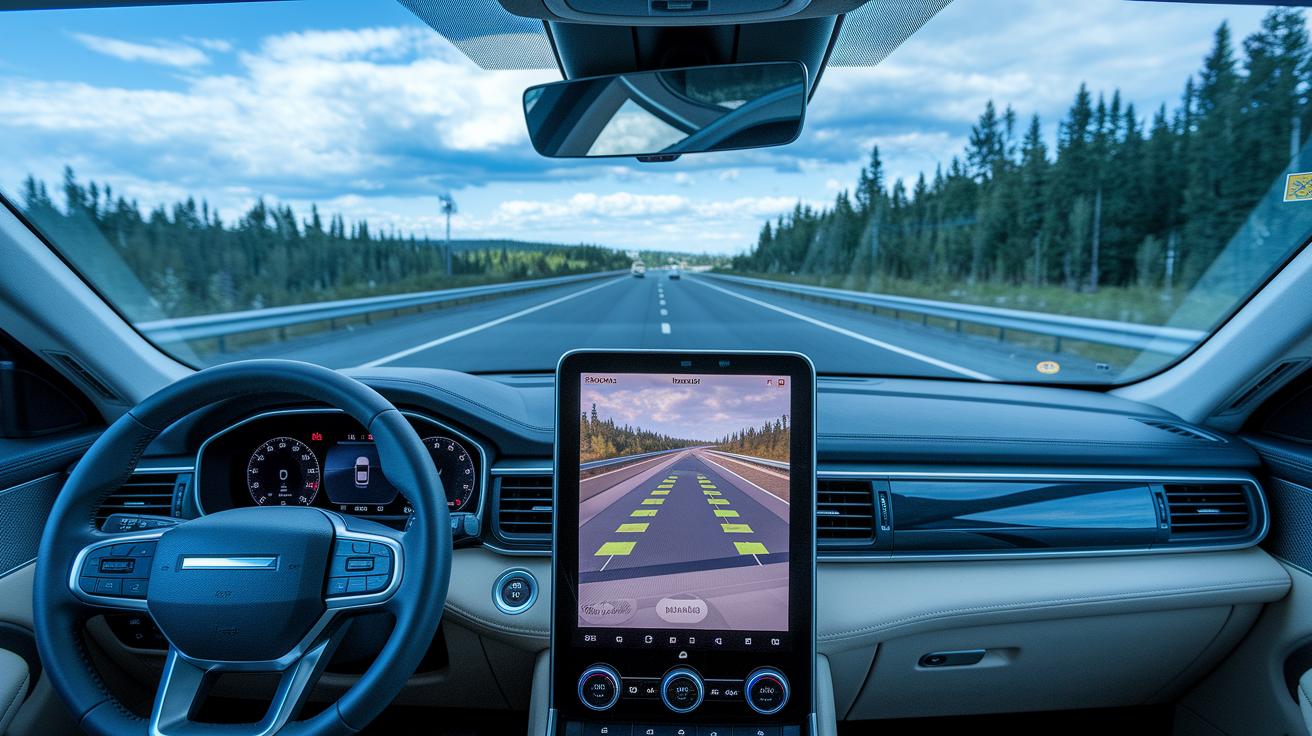
ADAS uses a mix of smart sensors that work as a team to make your drive safer and more intuitive. These include radar, LiDAR (which uses laser light for mapping), in-car cameras, and ultrasonic devices (sound-based sensors). They constantly monitor what’s around your vehicle and send live updates to a computer in your car so it can quickly react to possible dangers. Fun fact: before these modern sensors, drivers had to depend only on their eyes to spot hazards, leaving no room for error.
| Sensor Type | Technology | Primary Function |
|---|---|---|
| Radar | Radio waves | Detects objects at moderate distances |
| LiDAR | Laser light | Creates high-resolution maps of surroundings |
| Camera | Optical imaging | Captures lane markings and road signs |
| Ultrasonic | Sound waves | Helps with close-up tasks like parking |
Each sensor has a special job to give clear and quick data to your car’s assist system. For example, radar spots vehicles and obstacles from far away, while LiDAR offers detailed images of nearby objects. Cameras keep track of important road details like lane markings, and ultrasonic sensors are great when you’re maneuvering slowly. Together, they form a network that helps process data quickly so your car can make smart decisions. Think of each sensor as a careful team member in your vehicle, all working together to ensure a safer and smoother drive.
ADAS Technology Explained: Key Safety Features
Let’s dive into ADAS safety features. First up is lane-keeping assistance. This system quietly watches your car’s position and tweaks the steering when it senses drifting. Ever heard that one driver mentioned the system corrected the steering just in time to avoid drifting into a merging lane? It’s pretty neat. Adaptive cruise control works similarly smartly by automatically adjusting your speed to keep a safe gap from the car ahead.
Next, automatic emergency braking and blind-spot monitoring step in as extra safety nets. When sensors pick up a possible crash, the brakes kick in quickly to reduce impact. Meanwhile, blind-spot monitoring keeps an eye on the sides and lets you know if a vehicle is too close. In fact, research shows that over half of side collisions happen because drivers miss a vehicle in their blind spot. Together, these tools help catch hazards early.
Finally, pedestrian detection and parking assist provide another layer of safety. Pedestrian detection scans for people walking nearby and alerts you to avoid accidents in crowded spots. Parking assist lends a hand when you’re maneuvering slowly in tight spaces by guiding your steering. Believe it or not, in busy urban centers, parking assist has notably cut down on minor parking collisions. All these features work together to create a robust system that makes your drive feel safer and more confident.
Passive vs Active ADAS Technology Explained

Passive ADAS systems are built to notice potential dangers and give you a heads-up while you stay in charge. They scan your surroundings and alert you using sounds, flashing lights, or even a slight vibration in the steering wheel. Imagine driving and feeling a gentle buzz when something's not quite right, that’s your car saying, "Hey, check this out!" These systems work by processing lots of data quickly, so they warn you early while you handle the reaction.
Active ADAS systems take things a step further by jumping into action when a threat pops up. When sensors spot a risk, they quickly sift through the data using smart, built-in AI (artificial intelligence, which means a computer that can learn and think like people). Then, the system might tap the brakes, tweak the steering, or adjust the throttle to ease into safety, almost like a soft, careful touch when danger is near. This fast response helps cut down on reaction time, making your drive a bit more secure when sudden challenges arise.
Calibration in ADAS Technology Explained
Getting ADAS to work well means keeping its sensors perfectly tuned. Cameras, radar, and LiDAR (light sensors that use lasers) all need to match perfectly with the system software. Think of calibrating them like tuning a guitar so every note sounds right. Modern devices using Edge AI (smart, on-the-spot computing) make this easier by automatically spotting targets and adjusting sensors, so you don’t have to fiddle with it all the time.
Regular firmware updates and simple diagnostic checks are key, too. They catch small changes in sensor accuracy early on, so problems don’t grow bigger. Plus, fault diagnosis tools alert the system when a sensor might need a tweak. This way, every component stays in sync and your vehicle runs smoothly over time.
Future Trends in ADAS Technology Explained

Edge devices that use AI are pushing ADAS to new levels by boosting real-time processing speed. Thanks to smaller, powerful semiconductors, sensor modules can now work hand in hand with AI for quick, on-the-spot decisions. Picture a tiny, clever computer sitting in your car, always scanning its surroundings. For example, a sensor module that once compared to a book now fits neatly on your dashboard while handling loads of data with great precision. This shift is paving the way for systems that respond quicker and run more efficiently by mixing clear digital maps with signals from multiple sensors.
Next vehicles will mix collision avoidance with self-driving features to make driving both safer and more natural. Soon, cars will use built-in AI to spot hazards long before they become a problem, thanks to steady software upgrades that refine safety predictions. These changes keep the system sharp and flexible, offering fresh smart mobility ideas that ease driver stress. Imagine your car quietly processing a steady stream of data and making tiny adjustments to keep you safe on busy roads. This blend of smart hardware and clever software lays the groundwork for a future where driving feels easier and, most importantly, a lot safer.
Final Words
In the action, we explored how ADAS technology explained drives better vehicle safety by using smart sensors and real-time data. We looked at core sensor systems, key safety features, the contrast between passive and active systems, sensor calibration, and the promising future trends. The breakdown makes it easy to see how each component contributes to safer driving. The insights in this piece should leave you feeling confident about the impact of ADAS technology explained on today's roads and tomorrow’s driving experience.
FAQ
What is the ADAS full form?
The ADAS full form is Advanced Driver Assistance Systems. It uses cameras, radar, and sensors to warn drivers of hazards and automatically support safer maneuvers.
What is ADAS and how does it work?
The ADAS system works by combining inputs from cameras, radar, ultrasonic sensors, and sometimes LiDAR (a light-based sensor) to scan the environment, detect hazards, and either alert the driver or apply corrective measures.
What are the 5 levels of ADAS?
The five ADAS levels range from Level 0 (no automation) to Level 5 (full automation). Each level represents an increasing degree of system control, with Level 5 requiring no driver intervention.
Where can I find an ADAS technology explained PDF?
An ADAS technology explained PDF gives a detailed overview of sensor types, feature functions, and safety improvements. Look on manufacturer sites or trusted tech resource libraries for these informative downloadable files.
What is the best aftermarket ADAS system?
The best aftermarket ADAS system uses quality sensors to add features like lane alerts, blind-spot monitoring, and emergency braking. Reviews and user feedback can help identify which model works best for your vehicle.
What are some ADAS examples?
ADAS examples include lane-keeping assistance, adaptive cruise control, automatic emergency braking, and blind-spot monitoring. Each feature uses real-time sensor data to help reduce driver errors and improve road safety.
Will ADAS replace human drivers?
ADAS is designed to assist, not replace, human drivers. It provides alerts and intervention during risky situations, supporting safer driving rather than taking full control from the driver.
Are ADAS features good or bad?
ADAS features are good in that they help reduce accidents by warning drivers of potential hazards and sometimes intervening automatically. They work best when used with attentive, responsible driving.