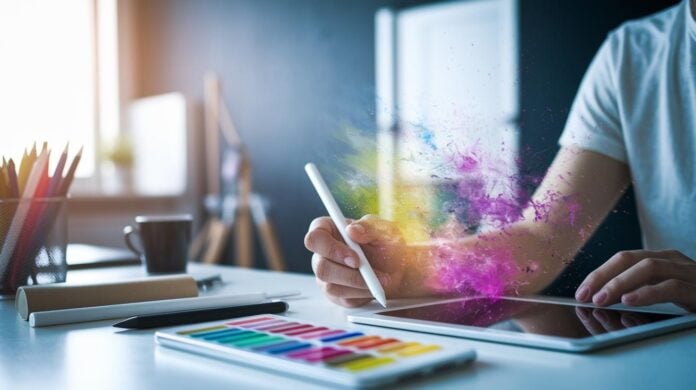

Ever wondered how a single word can spark amazing art? AI image generators work like magic, turning simple text into colorful pictures in seconds.
This cool technology lets anyone, from the curious beginner to the busy creator, bring ideas to life in no time. Imagine telling a story about a sunrise and watching your words glow on your screen.
In this article, we'll chat about the creative perks and everyday uses of AI image generators. We're here to show you how they make digital art feel accessible and fun.
AI Image Generator Empowers Artistry with Flair
AI image generators turn your words into cool pictures. They blend smart tech and creativity so anyone, from casual hobbyists to busy professionals, can whip up digital art quickly. Imagine typing a simple prompt and seeing a vibrant image that brings your idea to life.
On the free plan, you get 2 image credits every day without signing up. It’s great if you're just curious about digital art and want to try it out without any commitment. Plus, you can experiment with basic style options. For instance, type "a dreamy landscape at sunrise" and watch an artistic picture appear almost instantly!
Then there’s the premium plan. Here, each high-res image costs 6 credits. With a subscription, you can run unlimited images and use advanced models like Google Gemini 3 (a next-gen design tool) and Nano Banana Pro. This plan is faster, and you even get commercial rights to your images, like having a digital design studio at your fingertips, working quickly to deliver professional-grade art.
So whether you’re just exploring or need consistent, high-quality visuals for work, there’s a plan that fits. Hobbyists can enjoy the free option, while professionals get the power of unlimited creativity with the premium plan.
How AI Image Generators Work: Text-to-Image Conversion Techniques Explained
Modern AI image generators use huge collections of image-text pairs, billions of them, to train deep neural networks (advanced computer programs that work like our brains). They learn by looking at countless examples, linking words to pictures. It’s like teaching a creative mind by showing it endless art and descriptions so it can turn simple prompts into vivid images.
Since the early days of DALL·E in 2021, these systems have made big leaps. The first models produced basic images from text, but today’s versions like GPT-4o and Gemini 3 work faster and with sharper detail. It’s a bit like going from rough sketches to high-definition art, building on earlier breakthroughs in technology.
Modern tools let you choose from different styles, aspect ratios, and presets. They integrate easily with platforms like Google Forms, Sheets, and Slack to streamline creative workflows. Users can adjust settings to get the perfect image, making the whole process friendly and flexible. By mixing specific instructions with style tags and aspect tweaks, these systems create tailor-made visuals that work great for both personal use and business projects.
Best Free AI Image Generators: Platform Features and Limits
More and more digital art fans and everyday creators are getting into free AI image generators. These tools let you turn simple words into images without stressing about high costs. They make it super easy to try out your ideas, no long sign-up forms or pricey subscriptions needed for the basics.
For instance, imagine this: a hobbyist can whip up a cool digital image by just typing in a few words. It's a quick spark of inspiration that may even lead to a full-blown creative project. Here are five top free tools to check out:
- AI Image Generator: unlimited use with no sign-up
- Craiyon: lets you create up to 50 images a day in low resolution sketches
- Stable Diffusion WebUI: a self-hosted option that you can tweak to your liking
- DALL·E Mini: perfect for quick, lightweight drafts
- DeepAI Text-to-Image: offers 5 credits per day along with preset styles
When picking a generator, think about what kind of image you need. Some tools are great for quick ideas and shareable social media content, while others let you create detailed and high-quality visuals for professional projects. Matching the right tool to your creative needs means you can bring your ideas to life quickly and easily.
Premium AI Image Generators: Plans, Pricing, and Credits
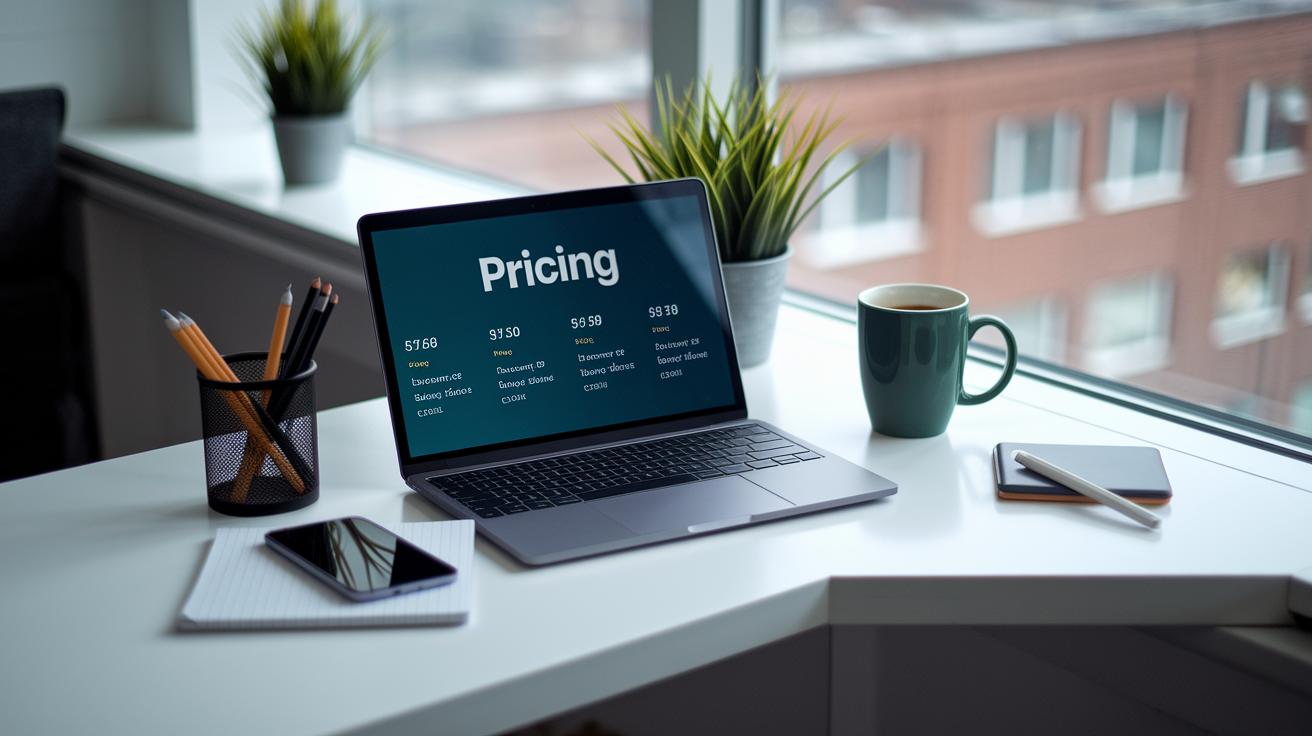
If you want faster, better images for your projects, upgrading from free tools is a great idea. Sure, free options are a fun way to experiment, but premium plans bring extra features, more control, and the reliability you need for professional work.
The pricing is straightforward. The basic subscription starts at $10 a month and gives you 50 credits. If you have bigger needs, the $25 monthly plan offers unlimited credits for high-resolution images. Once you exhaust your free credits, each detailed image costs 6 credits. This setup helps both newbies and seasoned users see the value in the plan they choose.
Premium subscriptions also unlock advanced models like Nano Banana Pro. These models make image generation super fast while delivering clear, sharp visuals. Plus, you get priority processing so your images pop up even during busy times. These plans include commercial licensing, meaning you have the rights needed for business projects. It’s a smart choice for agencies and professionals who need top-quality, dependable image solutions.
Think about how many images you need each month. Casual creators might stick with the basic plan, while heavy users will love the unlimited credits option. Choose the plan that fits your creative work and budget perfectly.
Comparing AI Image Generators: Feature & Quality Matrix
When we check out AI image generators, we start with clear, simple rules. Testers look at how fast each tool works, usually between 2 and 10 seconds, so you get quick results. They also focus on the maximum resolution, which ranges from a modest 512×512 up to a stunning 4096×4096 pixels. Plus, having a variety of art styles, from real-life photos to creative illustrations, helps artists find the perfect match. And if the tool offers API support (a bridge that lets different software talk to each other), it fits smoothly into your workflow.
After more than 20 hours of testing, we noticed each tool has its own shine. The AI Image Generator is quick and reliable, making it a go-to for fast projects. Midjourney, on the other hand, creates visually rich and imaginative art that pushes creative limits. Adobe Firefly offers a wide range of style presets and high-quality images. Meanwhile, ChatGPT GPT-4o mixes speed with easy integration, perfect for those who want quality and connectivity in one package. No single tool beats the others in every way, so your choice will depend on whether you need more resolution or faster processing.
| Tool | Speed (sec) | Max Resolution | Key Feature |
|---|---|---|---|
| AI Image Generator | 2-4 | 4096×4096 | Fast and user-friendly |
| Midjourney | 3-6 | 2048×2048 | Creative detail |
| Adobe Firefly | 2-5 | 3840×3840 | Diverse style presets |
| ChatGPT GPT-4o | 4-10 | 512×512 | Efficient integration |
How to Use an AI Image Generator: Step-by-Step Tutorial
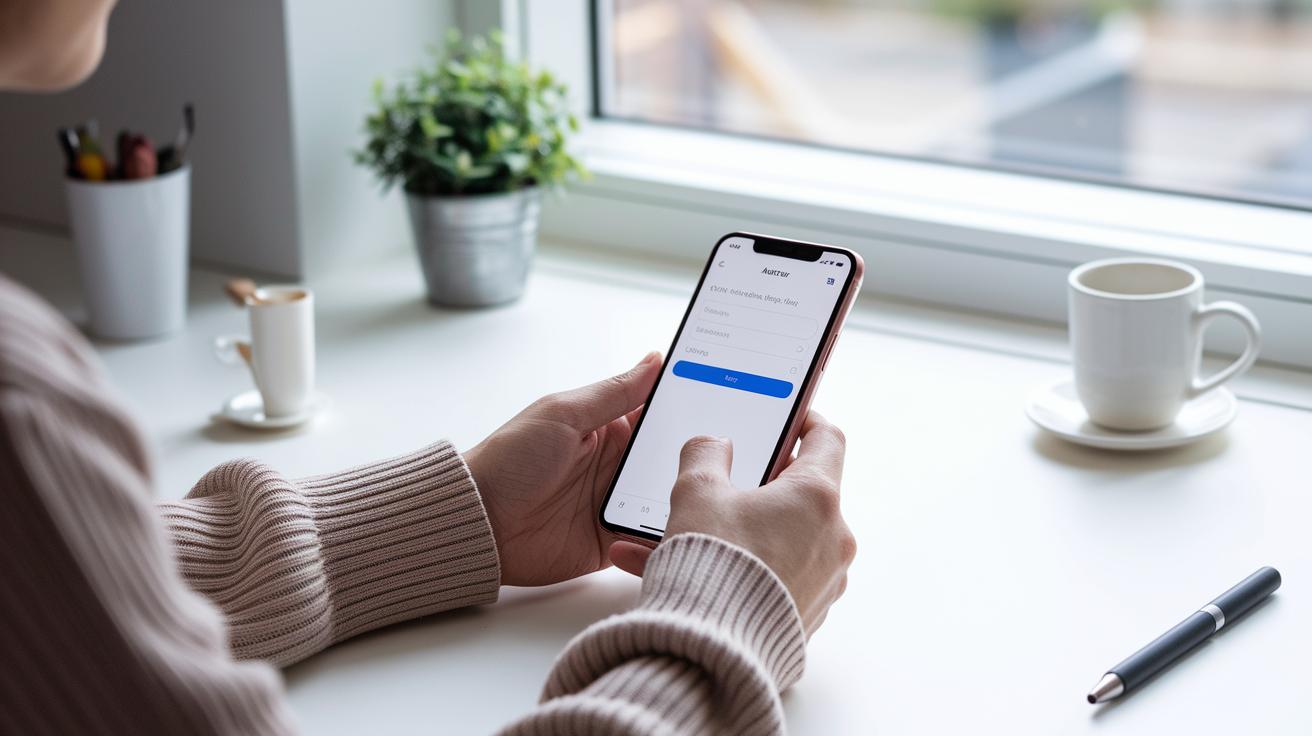
The tool’s layout is very simple and user-friendly. You can easily find the text box, style options, and sliders right away. It keeps things clear so you can have fun the very first time you use it.
Just type your idea in the box and pick a style or model. Then hit the Generate button and wait for about three seconds while your image comes to life. When it’s finished, you can download or share it right away. The system will take credits automatically, and you can also tweak the image’s shape and style using the sliders.
Keep your description short and clear for the best results. For example, saying "a bright, modern cityscape at dusk" helps the tool work smoothly. Feel free to try different model options to adjust the textures and the overall vibe of your image.
Advanced Prompt Engineering: Techniques for High-Quality Outputs
When you’re crafting digital images with text, details and structure really make a difference. A clear prompt helps the AI pick up on key bits like what the subject is, the style you want, and the overall vibe. And when you throw in specifics like lighting or color hints, the system can whip up images that are both sharp and eye-catching. Basically, the order of your words and adding real, concrete details can bring your creative ideas to life.
Take for instance the prompt "neon-lit cyberpunk cityscape at dusk, digital matte painting", it’s a cool way to let style tags shape the final look. Or think about "misty forest clearing with soft, ambient lighting" which sets a clear mood and environment. Then there’s "vintage street scene under a rainy sky, subtle reflections and warm hues" where the blend of mood and texture really elevates the result. These examples show how small details, like specifying a time of day or a color scheme, fine-tune the whole image.
Experimenting is super important. Save the prompts that work, play around with how you order your words, and tweak model settings to see how slight changes can boost texture and look. Over time, as you refine your prompts, you build up a neat little library of techniques that keep delivering great images. So keep reviewing what you get and fine-tuning your instructions until your generated images capture exactly what you’ve imagined.
Integration & Best Practices: Workflow Automation and Ethical Use
APIs and workflow automations let creative tools chat with one another. When they connect with services like Google Forms, Sheets, Airtable, and Slack, your art platforms can update images automatically. It’s a smooth process that makes adding digital art to your daily routine super simple.
Picture a retailer who links a product spreadsheet with an AI image generator. In just a few clicks, every new item gets its own eye-catching image. Or imagine a social media manager who fills out a quick form, and boom, daily graphics are ready to keep their audience hooked. These everyday examples show how tying digital art with automation can bring visual storytelling into regular tasks.
When using these tools for business, ethical and legal rules matter. The current U.S. law says that fully AI-made images don’t have copyright protection. Experts recommend keeping records of your prompts and doing a bit of human tweaking before calling it your own. This careful approach builds trust and helps keep things fair in our cloud-based creative world.
Final Words
In the action, we explored a range of topics, from free and premium options, text-to-image conversion techniques, side-by-side comparisons, step-by-step guides, and advanced prompt points to ethical integrations.
We broke down how an ai image generator works and why users might choose one plan over another.
This post brings a clear picture of the current tech tools and practices, sparking curiosity and empowering smart tech choices for your next project. Enjoy experimenting with these innovations!
FAQ
What is an AI image generator for free or online?
The term AI image generator for free means a tool available online that creates art without charge. It often offers basic features with daily credits to let users try image-making quickly.
What does an AI image generator from text or ChatGPT do?
The term AI image generator from text means it converts written prompts into art. When paired with tools like ChatGPT, it turns your words into creative images with ease and speed.
How do AI image generators on Bing and Google work?
The term AI image generator for Bing or Google refers to services by major tech companies that use advanced models to produce visuals. They integrate with your searches and online workflows for a seamless experience.
What defines the best AI image generator?
The best AI image generator combines fast output, high-quality designs, and flexible options (free trials or premium plans). It meets users’ needs by balancing creative control with ease-of-use.
What is an AI image generator from image?
The term AI image generator from image means using an existing picture as a starting point to generate new visuals. It applies style or enhancements to create variations based on your input.