



Ever wonder how your favorite brand seems to know exactly what you like? AI marketing is changing the digital ad game by using smart computer methods (think of them as behind-the-scenes helpers) to catch our eye and boost clicks. Imagine ad campaigns that switch things up in real time based on what you share online or what you buy. In this article, we chat about cool trends and clever tools that make marketing more personal, agile, and effective. Get ready to see how AI turns everyday moments into interactive experiences.
How AI Marketing Drives Smarter Campaigns
AI marketing uses smart computer methods to tailor campaigns that grab attention and boost customer clicks. Today, companies can tap into data to sharpen every campaign and make it more engaging. Imagine your favorite brand quickly picking up your style, that’s thanks to clever algorithms working quietly in the background.
AI digs into two kinds of data. One type is structured data, like purchase records and website clicks, which are easy to sort. The other type is unstructured data from social media posts, photos, and videos. Both help marketers see patterns in how customers behave and what they like. For example, one major company saw a 20% jump in engagement when they switched to AI insights that combed through millions of social posts.
- Personalized content recommendations
- Predictive audience segmentation
- Automated campaign scheduling
- Real-time ad optimization
- Performance forecasting
All these powerful tools come together to make campaigns smarter by mixing clear data insights with lively customer interactions. When marketers let AI steer their decisions, everything from content creation to on-the-fly adjustments happens more smoothly and effectively. This approach leads to higher engagement and better outcomes in digital promotion using artificial intelligence.
Core AI Marketing Techniques and Essential Tools

Choosing the right AI tool is all about matching your marketing goals with technology that does the heavy lifting for you. These smart tools can crunch numbers, handle repetitive tasks, and even guess what your customers might do next. Think of it like having a digital sidekick that's always on duty.
Data Analysis & Predictive Modeling
Tools like Adobe Sensei and Google Marketing Platform use smart learning (machine learning) to spot trends and score leads (potential customers). They dig through mountains of data such as purchase histories and click patterns to predict future outcomes. In simple terms, they help marketers figure out which ideas might spark more interest.
Generative AI for Content Creation
Generative AI, like ChatGPT, can quickly whip up scripts, articles, or product descriptions with a human giving the final nod. They’re a lifesaver when you need fresh ad copy or blog posts in a hurry. Picture this: a small business once used AI to craft a catchy slogan that boosted its social media engagement significantly.
Email & Campaign Automation
Email helpers like Mailchimp and ActiveCampaign test loads of options automatically. They keep an eye on subject lines and sending times to lift open rates. This lets you adjust your campaigns on the fly without spending hours on trial and error.
Programmatic Advertising Solutions
Systems such as Albert.ai can instantly tweak bids and ad text on platforms like Facebook, Google Ads, and YouTube. They use real-time performance data to choose the best moments to invest, ensuring every ad dollar is well spent.
Social Media & Chatbot Tools
AI-powered scheduling tools and chatbots keep your audience engaged around the clock. They manage posts and chats in real time so your social media presence stays active and responsive.
When you’re choosing an AI marketing platform, look for clear data insights, easy integration with your workflow, and support for real-time decisions. These features are key to creating smarter, more effective campaigns.
AI Marketing in Campaign Planning and Execution
Today, social media planning uses tools like sentiment analysis (tech that reads emotions) and trend predictors (tools that see future popular topics) to spot shifts in audience behavior as they happen. Marketers mix these fresh data signals with classic engagement numbers to decide the perfect moment to post. For instance, one high-end clothing brand saw a 25% boost in sales by spotting trending hashtags early. Imagine knowing the next big trend before it happens!
Email automation isn’t just about testing parts of a message anymore. AI now watches what people do online in real time and groups them so each person gets messages that really fit. In one example, a campaign switched up its subject lines for each user, using playful lines like “Unlock Your Exclusive Perks Today”, to grab attention.
Machine learning is changing how ads are placed too. These smart models pull together info from different channels and adjust bidding strategies on the fly. New tools combine clear performance details with market feelings, which leads to smarter ad spots and cost tweaks. One local startup saw engagement surge quickly by using these integrated systems. Picture your campaign fine-tuning itself as fresh data streams in!
Measuring Impact with AI Marketing Analytics

Predictive models are at the heart of AI marketing analytics. They turn raw data into solid, real-world insights. These tools forecast what customers might do next and assign scores to help rank prospects by how likely they are to buy. For instance, one company used a lead-scoring system to instantly spot valuable prospects, letting them run much more focused campaigns. They mix neat data like purchase records and clicks with informal insights from social media chats, helping marketers pick up on trends and meet customer needs directly.
Recent research shows that AI-powered, personalized marketing can slash customer acquisition costs by up to 50% while boosting revenues by 5% to 15%. Many businesses now lean on analytics platforms packed with live dashboards. These dashboards track key figures like return on ad spend (ROAS, which shows the money earned from each ad dollar), cost per acquisition (CPA, meaning the cost to get one customer), and conversion rates (the percentage of visitors who make a purchase). They let companies adjust their campaigns in real time, kind of like watching a live game where every move counts. Simple, clear metrics and intuitive dashboards make it easy to see how each campaign is doing and fine-tune strategies on the spot.
Case Studies Highlighting AI Marketing Success
Looking at real projects shows us how AI can make marketing smarter. A few true stories reveal that using tailored approaches and clear data cuts down costs and boosts sales. It's like turning a complex challenge into a winning opportunity. For example, one retail brand slashed its customer acquisition costs by half and raised revenue by 12% by using personalized tools that paired shoppers with just the right offers.
| Case Study | AI Solution | Outcomes |
|---|---|---|
| Retail | Personalized product engines | -50% acquisition cost, +12% revenue |
| B2B SaaS | Predictive lead-scoring models | +20% qualified leads |
| Media Firm | Automated video editing & AI ads | +30% engagement rate |
These stories show that using AI not only makes campaigns more effective but also brings a clear, data-driven approach to marketing. They teach us that adding AI to your plan can bring repeatable and smart tactics, from fine-tuning customer picks to automating creative tasks, that work across many businesses. You can take these ideas and shape them to fit your own marketing plans. When tech is used wisely, it leads to better insights about your audience and real, measurable growth.
Emerging Trends in AI Marketing Strategy
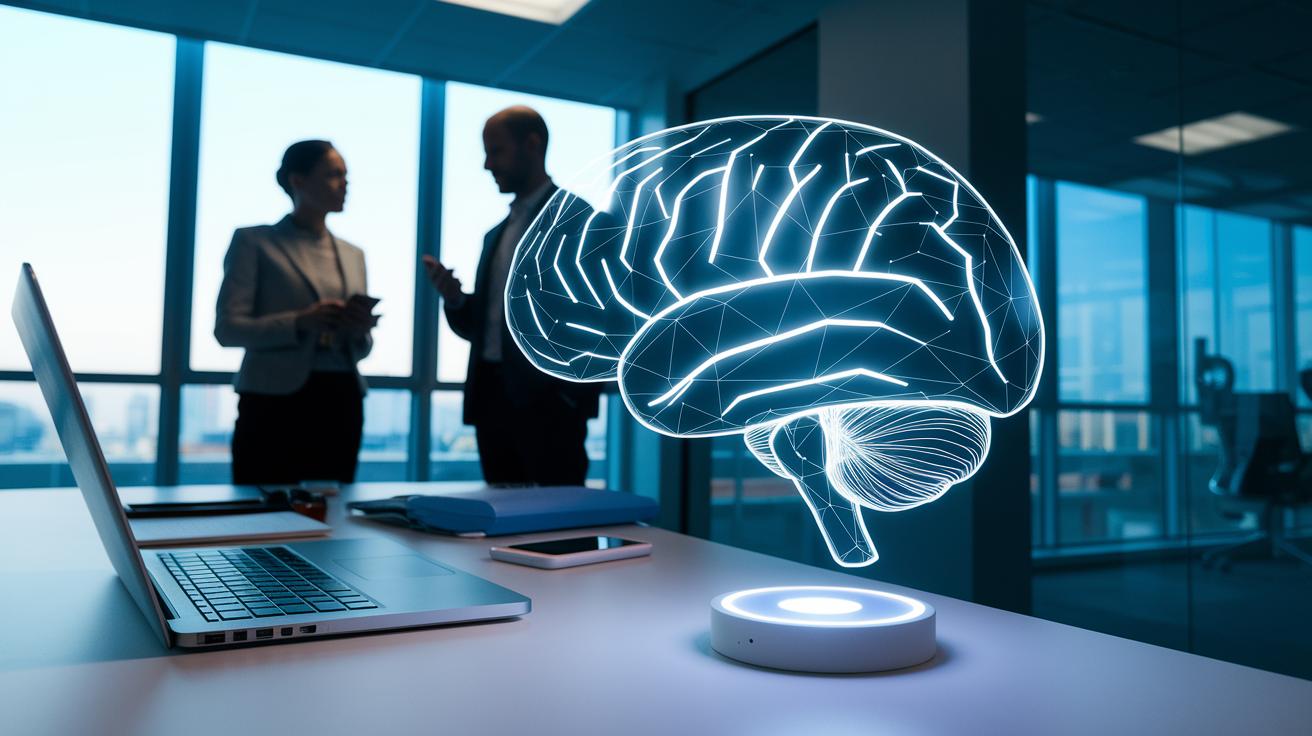
Generative AI, a type of computer intelligence that creates content, is truly changing how creative work is done. Tools like ChatGPT are now helping brands whip up ad copy, images, and video scripts in a flash. Companies can generate engaging messages almost instantly. Fun fact: Before becoming a famous scientist, Marie Curie used to carry test tubes with radioactive material in her pockets, not knowing the risks that would later shape her history.
AI chatbots are also shaking things up by making promotions feel more interactive. They offer live support and chat with customers either by text or voice, helping answer questions and guide buyers along the way. If you’re curious about how these tools can improve customer service, check out Humanize AI for some cool insights.
Looking ahead, future tech promises even more personalized marketing. Imagine talking to a brand just like you’d talk with a friend. New voice-activated solutions let you interact naturally, while smart tools adjust marketing messages on the fly based on your journey. This means marketers can quickly tailor campaigns to keep up with a fast-changing market. It’s no wonder they’re eager to see these trends in action.
Final Words
In the action, we saw how ai marketing reshapes campaigns by using smart data and personalized content. The post walked us through tools that analyze both structured and unstructured data, automate key tasks, and drive real-time changes. It shared real examples and tactics that help refine targeting and boost engagement. Smart solutions are already transforming how brands connect with audiences, and there's plenty ahead to explore. Here's to a future bright with clear insights and tech that truly works for you.