

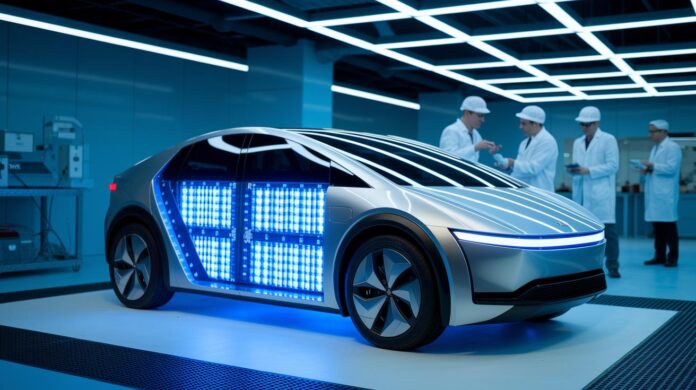

Have you ever thought about a battery that packs in more energy without weighing you down? Amprius Technologies is making this a reality by swapping out the old graphite for tiny silicon nanowires (minute strands of silicon used in electronics). This new spin on lithium-ion batteries means electric cars, airplanes, and even defense gadgets could get a real boost. Next, we'll dive into how these innovations might help our devices run longer and perform better, and what it could mean for the future of technology.
Core Innovations in Amprius Technologies Battery Technology
Amprius is making waves with its cutting-edge battery tech. They use special silicon nanowire anodes (tiny wires made from silicon) in their SiMaxx and SiCore lithium-ion platforms. These new designs are aimed at airplanes, defense, and electric car markets, giving energy storage a fresh twist. Here’s a cool fact: early battery researchers hit tough limits with energy density (how much power a battery can hold), and those limits seem pretty old by today’s standards. By switching to silicon instead of the usual graphite, Amprius is really shaking things up.
The numbers really stand out. Early tests show the batteries can pack up to 450 watt-hours per kilogram (how much energy relative to weight) and 1,150 watt-hours per liter (energy relative to volume). Independent tests have even reached 500 Wh/kg and 1,300 Wh/L. This means you get lots of energy without adding extra weight, a big win for electric cars and portable gadgets.
These batteries work well in extreme temperatures too, from -30 °C to 55 °C. Plus, safety is a top priority. They’ve been put through military-grade tests, including nail penetration tests, to check how well they handle harsh conditions. These rigorous checks prove that the silicon anodes are not only powerful but also built to last, so you can trust them in even the toughest situations.
Technical Specifications of Amprius Silicon Anode Battery Platforms
Amprius is shaking up battery tech with its SiMaxx and SiCore systems. Old lithium-ion batteries were slower and had lower energy, while these new silicon anode batteries pack about 450 to 500 Wh/kg and 1,150 to 1,300 Wh/L. Think of it like getting an 80% boost in just six minutes, kind of like quickly brewing your favorite cup of tea.
| Platform | Gravimetric Energy Density (Wh/kg) | Volumetric Energy Density (Wh/L) | Charge to 80% | Safety Rating |
|---|---|---|---|---|
| SiMaxx | 450 Wh/kg | 1,150 Wh/L | 6 minutes | Military-grade |
| SiCore | 500 Wh/kg | 1,300 Wh/L | 6 minutes | Validated |
| Third-party Validation | 500 Wh/kg | 1,300 Wh/L | 6 minutes | Nail penetration |
These platforms clearly outperform older batteries. They mix high-density power with clever lithium advances, creating smaller and more efficient energy packs perfect for electric vehicles and defense uses.
They work in tough temperatures from -30 °C to 55 °C. Rigorous safety tests, including nail penetration challenges, show these batteries hold up even under harsh conditions and sudden impacts.
Performance Metrics and Fast-Charge Capabilities of Amprius Batteries
Amprius batteries are crafted for quick recharges and steady energy delivery. They work smoothly in many conditions, whether it's chilly or hot, making them a great choice for tough tasks. The design blends fast bursts of power with long-lasting reliability.
- 80% charge in six minutes
- 450–500 Wh/kg (a measure of energy per weight)
- 1,150–1,300 Wh/L (a measure of energy per volume)
- Operates from –30 °C to 55 °C
- Military-grade safety (it passes rigorous nail-penetration tests)
Cycle-life matters here, too. Over time, the battery loses very little capacity, which means your devices keep getting steady power. Think of it like a sports car that not only accelerates fast but also stays strong during a long race. This smart mix makes the battery a reliable pick for any energy system.
Industry Applications for Amprius Technologies Battery Technology
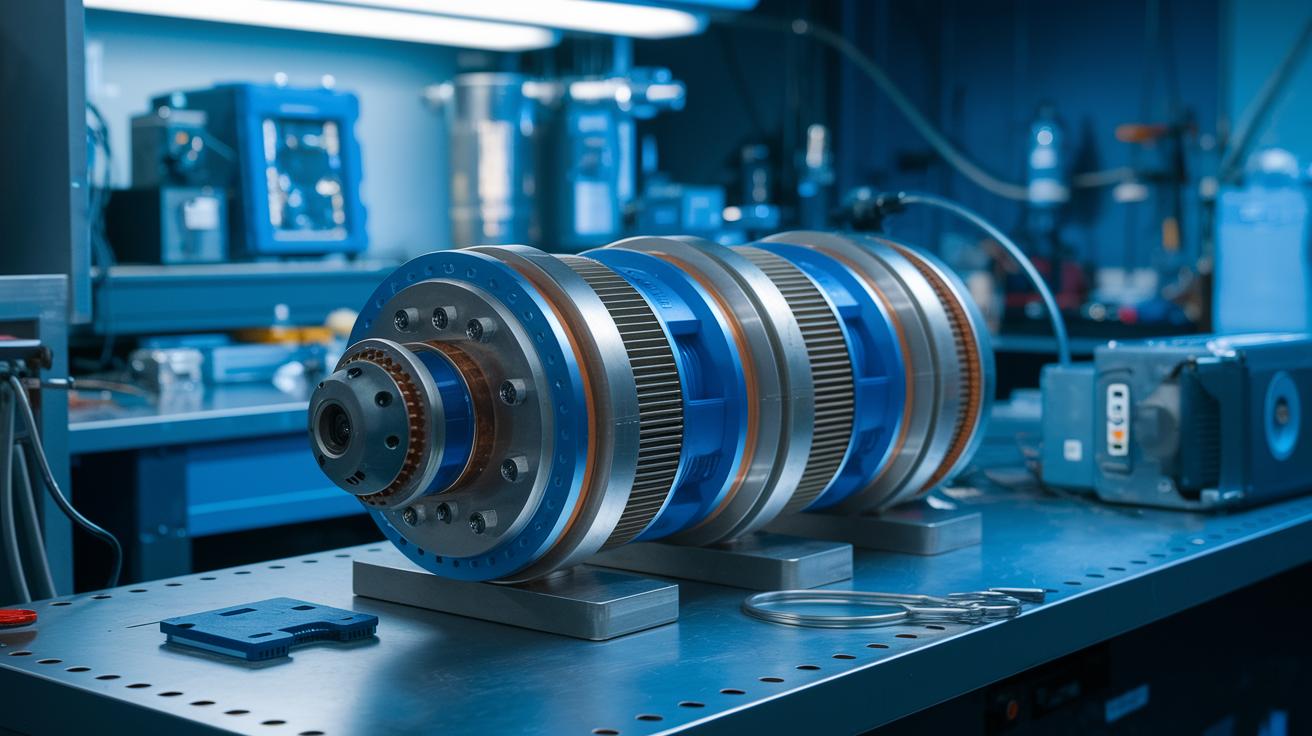
Amprius battery technology is designed for sectors that demand high power like aerospace, defense, and electric vehicles. Its breakthrough silicon anode (a key battery part that stores more energy and charges quickly) brings greater energy density and fast charging to the table. In aerospace, these batteries power light and strong systems that help engines run smoother and save fuel. And in defense, they perform well even in extreme conditions, ensuring critical hardware stays reliable. For electric vehicles, the rapid recharge and steady output make them a smart choice for the future of mobility.
- Aerospace propulsion systems
- Defense unmanned vehicles
- Electric vehicle batteries
- High-performance drones
- Portable power tools
- Grid backup units
Fast charging, high power density, and impressive durability in tough settings drive the adoption of these batteries. For instance, in aerospace applications, they allow for lighter designs and better energy control, ensuring that even sensitive instruments get a steady power supply. Defense systems benefit hugely from the tested safety and temperature resilience, which are vital when reliability is a must. Electric vehicles see less downtime thanks to quick recharges, keeping them on the move longer. Plus, high-performance drones and portable tools enjoy powerful energy without extra bulk. And grid backup units take advantage of scalable energy output, especially with plans like the Fremont facility’s 2 MWh annual production. Together, these features help Amprius battery technology shine across industries, boosting both system reliability and overall performance.
Manufacturing Scalability and Production Capacity of Amprius Batteries
The Fremont facility is getting ready to boost its capacity to 2 MWh each year by 2025. This move shows how Amprius is stepping up to meet growing needs in aerospace (air travel technology) and electric vehicles. CEO Kang Sun often points out that increasing production makes these smart batteries more accessible and helps push forward eco-friendly storage solutions. Soon, industries can depend on a steady, high-quality supply as production speeds up. It’s a clear step toward offering energy solutions that are both affordable and top-performers, meeting the needs of many markets.
Amprius uses its own silicon nanowire fabrication methods (a special way to build tiny, effective structures) to refine how it makes batteries. This approach means better batteries are produced faster and more cost-effectively. The company also builds tech transfer partnerships, like those seen in the Tech Transfer project, to share these advanced techniques. With a mix of in-house innovation and strategic teamwork, Amprius is well set to ramp up production and hit the high standards required by aerospace and EV markets.
Comparative Analysis of Amprius Silicon Anode vs Conventional Lithium-Ion Batteries

Measuring how well a battery performs isn't just about listing numbers. Amprius technology really stands out when you look at its long-lasting power and everyday efficiency. One fleet manager even said, "Switching to Amprius batteries cut downtime significantly during peak service hours."
| Feature | Conventional Li-ion | Amprius Silicon Anode |
|---|---|---|
| Lifecycle Cycles | About 1,000 cycles | About 1,500 cycles |
| Real-World Efficiency | Shows a drop in performance when used heavily | Keeps up steady even in tough conditions |
Looking at these practical outcomes, longer lifecycle and steady performance, gives a fresh look at how Amprius batteries offer real benefits compared to typical lithium-ion systems.
Amprius Technologies battery technology Sparks Innovation
Amprius has teamed up with big names like major OEMs and grid operators to bring its new battery systems to many different uses. They’re looking to work with partners on grid projects, EV supplies, and even defense contracts. In simpler terms, imagine charging your car just as easily as topping up your phone, it’s that friendly and fast. This hands-on approach has placed Amprius right in the heart of fresh tech talks, much like a recent Future Tech review highlighted.
Inside the company, a lively R&D plan is steering them toward market leadership. They even plan to boost Fremont’s capacity to 2 MWh by 2025. Insider stock moves show that people truly believe in their vision for the long run. In short, by pushing both new ideas and bigger production, Amprius is proving itself as a go-to name for the energy needs of tomorrow.
Final Words
in the action, our blog highlighted key innovations behind advanced silicon anode platforms, shared energy density breakthroughs, fast-charge metrics, and robust safety tests.
We touched on real-world applications, scalable production, and future collaborations for sectors like aerospace, defense, and electric vehicles. This insight on Amprius Technologies battery technology shows how technical advances are reshaping energy solutions. Positive steps forward bring exciting prospects for our tech landscape.
FAQ
How is Amprius Technologies positioned as an investment and what is its stock performance?
The details indicate that Amprius Technologies shows promise with its advanced battery technology. The current stock price and market trends should be reviewed by potential investors before making any decisions.
What locations operate as hubs for Amprius Technologies battery technology?
Amprius operates from strategic sites, including a Fremont facility aimed at boosting production capacity for aerospace, electric vehicles, and defense markets.
Where can I buy Amprius batteries and find information on their prices and specifications?
Amprius batteries are available through select commercial distributors. Detailed pricing and cell specifications, including datasheets, are typically provided by the company or authorized partners.
What does the Amprius 500 Wh/kg battery indicate about its performance?
The Amprius 500 Wh/kg battery signifies a high energy density confirmed by third-party tests, offering enhanced performance for demanding applications like heavy-duty electric vehicles.
How good are Amprius batteries and what makes them unique?
Amprius batteries excel with their advanced silicon anode design, which yields high energy density, rapid charge times, and robust performance across a wide range of temperatures, setting them apart from conventional cells.
Is Amprius Technologies a Chinese company?
Amprius Technologies is not a Chinese company; it is based in the United States and focuses on cutting-edge lithium-ion battery technology for diverse high-performance sectors.
Where can I find more detailed background information about Amprius Technologies?
Comprehensive background information on Amprius Technologies, including its history and technology innovations, is available on its Wikipedia page and the company’s official website.