



Ever wonder how tech headlines shape what we expect? With billions of people online and non-stop chat on social media, tech news really drives our everyday conversations.
When you dig into the numbers behind these headlines, you'll find surprising shifts. One moment it's all about new mobile gadgets, and the next, it's the buzz around AI (artificial intelligence, smart computer systems) and immersive digital experiences that feel almost real.
In this post, we'll take a closer look at these headline changes and explore how they grab our attention while shaping public opinion. Get ready for some clear, eye-opening insights into the trends that spark our tech talks.
Comprehensive Metrics in Tech Headline Trends
The digital world is booming in 2025. More than 6 billion people are online, which means about 73.2% of everyone is using the internet. Just imagine: over 6 billion faces making the digital community more lively than ever.
Two-thirds of adults who are online are hanging out on social media. On average, they visit nearly 7 different platforms every day. It’s like a friendly neighborhood chat where each platform lends a unique voice to the tech conversation.
Over one billion people try out AI platforms every month (AI is a type of software that learns like a human). Plus, digital ad spending hit USD 1.16 trillion in 2025, with almost 75% going to online ads. Think of it as a powerful engine that drives tech news forward, ensuring that fresh trends quickly capture our attention.
Historical Shifts in Tech News Patterns

Over the past decade, tech headlines have taken quite a turn as new ideas and gadgets emerged. In 2015, the spotlight was on mobile devices and the rollout of 4G networks (that means faster wireless internet), which made everyone excited about staying connected anywhere. This phase set the stage for technology to reach everyday people in fresh ways.
Next, by 2018, the focus had expanded. News moved from just mobile gadgets to include cloud computing (storing data on remote servers) and IoT (Internet of Things, which lets devices talk to each other). It felt like our devices were suddenly entering a big, interconnected family.
Then came 2020, when discussions around AI (artificial intelligence, computers that can mimic human thinking) and machine learning (tech that improves by studying data) started heating up. Fast forward to mid-2025, and headlines were buzzing about agentic AI (autonomous systems that act on their own), sparking a mix of awe and curiosity.
In 2023, immersive experiences stole the show with extended reality (often AR/VR, blending real life with digital visuals) and spatial computing (placing digital info in our physical space) grabbing attention. And later in 2024, topics like blockchain (a secure, digital ledger) and decentralized apps made a comeback, reminding us of our continuing wish for trustworthy digital systems.
This timeline paints a picture of a steady climb from basic connectivity to high-tech innovations. Today's headlines mix old insights with cutting-edge topics, giving us a clear view of how past trends help shape the tech news we see every day.
Sentiment & Engagement Analysis in Tech Headlines
Tech headlines come alive based on how people use social media. Research shows that connected adults log in almost five days a week and spend over an hour each day. This steady habit highlights a true interest in tech topics. As a result, social media ads have grown quickly and headlines now mirror what users really experience.
| Platform | Engagement Metric |
|---|---|
| Leads in daily sessions | |
| YouTube | Records longest session durations |
This insight helps editors create headlines that truly speak to active users. When headlines reflect lively engagement on platforms like WhatsApp and YouTube, they hit close to home with the audience and spark real conversation. Such a data-driven approach makes tech stories both informative and inviting, fueling curiosity about new digital trends.
Case Studies of Viral Tech Topics in Headlines

Editors choose headlines because they spark lively conversation and connect with readers right away. They love stories that mix amazing tech breakthroughs with everyday challenges. We dug into trending headlines that set the internet abuzz, checking each one for its news value, emotional impact, and shareability.
- Artificial intelligence and autonomous agent announcements
- Quantum computing milestone claims
- Extended reality headset commercial launches
- Blockchain voting and supply-chain use cases
- Major cybersecurity breach analyses
Each topic creates buzz by blending cool tech wins with ideas that capture our imagination. When headlines highlight artificial intelligence or quantum computing (a next-level computing method), they hint at major leaps forward, exciting both tech fans and casual readers. Extended reality product launches give us a glimpse of future experiences that feel almost real. Meanwhile, blockchain and cybersecurity stories speak to our long-held concerns about safety and transparency, offering a mix of hope and caution.
In every case, the magic behind these viral headlines is their real-world relevance and a hopeful view of where technology is headed. By pairing cutting-edge advances with relatable challenges, these stories not only inform us but also invite a rich conversation. This way, breakthrough tech feels closely tied to everyday life, drawing the tech community into a deeper, ongoing discussion.
Predictive Modeling & Forecasting of Tech Headline Trends
Forecasting tech headline trends gives editors and marketers a glimpse of what stories might come next. By diving into past data, experts catch early hints that a topic is about to take off. For example, watching monthly shifts in online behavior is a bit like feeling the pulse of the tech world. This approach makes it easier to plan content that feels timely and engaging.
Certain numbers drive these forecasts. Monthly AI usage stats and the rate at which folks join social media give clear clues about new trends. If there's a steady rise in AI interactions, it might mean smart software tools are about to hit the headlines. And when more money flows into digital ads, it often signals a marketing push that could soon grab our attention. By tracking these signals, it becomes simpler to guess which topics will capture readers next quarter.
More advanced techniques help sharpen these predictions even further. Tools like ARIMA (a method that helps forecast trends) and seasonal trend decomposition (which breaks down data to show clear patterns) sort out time series data into understandable bits. Think of it like a farmer predicting the best time to harvest based on weather patterns. Past spikes in extended reality and quantum computing, for example, serve as handy benchmarks for today’s models. With these methods, analysts can draw up more accurate forecasts for the trends we see coming.
These forecasting methods really come in handy for content creators. Editors can fine-tune their story angles based on predicted trends, while marketers craft campaigns that align with upcoming headline themes. By leaning on data-driven insights, teams can make smart choices that keep tech content fresh and engaging, ensuring that the stories they bring to life truly resonate with readers.
Methodologies for Data-Driven Headline Narrative Analysis
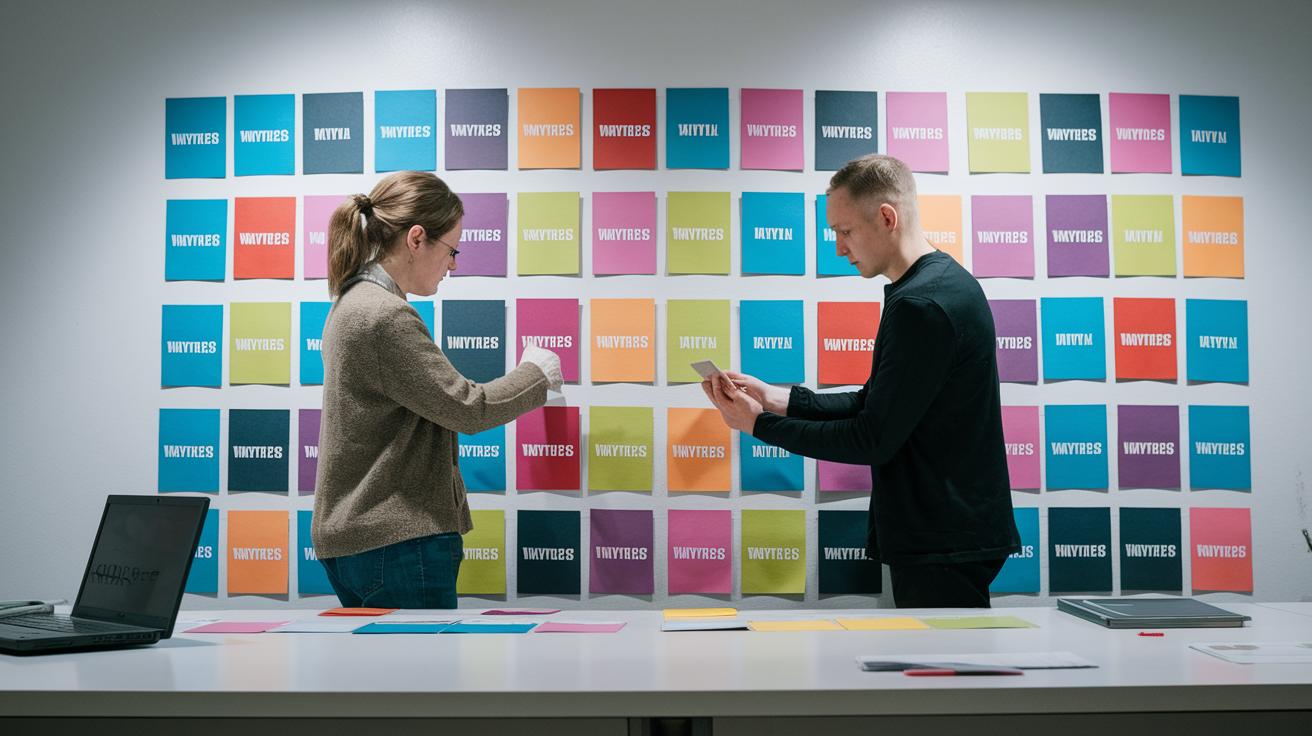
Topic clustering and NLP sentiment tagging (a way to analyze text) help us sort headlines quickly and clearly. They comb through huge amounts of text to group similar articles by mood and subject, much like sorting colored pencils by shade. This smart method lets editors catch the hidden feelings in headlines that might otherwise go unnoticed. It even picks up everyday slang and brand-new words common in tech news.
Supervised models use training on labeled data from trusted tech fields like cybersecurity or biotech. Think of it like teaching a computer by giving it thousands of already-tagged headlines, so it learns which topic goes with which pattern. Once it’s trained, the system can sort fresh headlines with the same care as older ones. This makes tracking trends more dependable.
Unsupervised learning works a bit differently. It finds new groupings in the data without any pre-set labels, almost as if you were spotting a surprise pattern in a complex tapestry. It also notices odd bits of data that might hint at the start of a rising trend. This helps editors stay ahead in the ever-changing tech scene.
Implications of Evolving Tech Headlines for Media Coverage
Editors are shifting their focus as hot topics like AI (smart tech that mimics human intelligence) and digital ads take center stage. Newsrooms now spend more time digging into data and checking facts, which means there’s less fuel for classic reporting. A surprising number: major brands have moved about 30% of their editorial budget toward stories on sustainable tech and cybersecurity (protection from online threats), driven by rising consumer trust. This shift sets fresh standards for deeper, evidence-based stories.
When reporters overload on the biggest topics, other important issues can be left out. Chasing the next flashy headline might lead to overly hyped AI stories that don’t quite match reality. Editors are extra careful now because exaggerating trends can damage the trust readers place in them. They review each story closely to keep things honest without resorting to sensationalism.
Newsrooms are working hard to blend new, interesting topics with solid fact-checking. By mixing reports on sustainability and cybersecurity with emerging AI trends, they create a more dependable conversation that combines current buzz with a steady demand for truth in media.
Final Words
In the action, we broke down the numbers and narratives behind tech headlines, from key metrics and global internet usage to AI usage and digital ad spend. We traced shifts in story patterns, highlighting changes in mobile, cloud, and emerging tech topics and revealed how social engagement shapes headline framing.
Our analysis of tech headline trends shows how data guides smart editorial choices and helps shape the news you trust. Keep watching how these insights fuel tech reporting and stir positive change.
FAQ
What does technology trend analysis involve?
The technology trend analysis involves examining headline patterns and data usage reports from various documents to reveal emerging tech topics and shifts in industry focus.
What are the newest trends in IT and the software industry?
The newest trends in IT and the software industry include advancements in AI, blockchain applications, extended reality, and cybersecurity updates that are reshaping digital products and services.
What are today’s top tech headlines?
Today’s top tech headlines capture major updates like rising AI adoption, fresh digital ad spend statistics, and new breakthroughs that keep tech enthusiasts informed and engaged.
What are the top three trends in the IT industry?
The top three trends in the IT industry focus on rapid AI growth, expanding cloud computing services, and robust cybersecurity measures that are transforming global digital operations.
How are tech headline trends analyzed from different formats?
The analysis of tech headline trends uses formats like ppt, pdf, and reports from past years to identify recurring themes, audience engagement patterns, and shifts in news coverage.
What is the most trending topic in technology?
The most trending topic in technology centers on artificial intelligence innovations, which are driving headline discussions and influencing how tech news is reported across various platforms.