

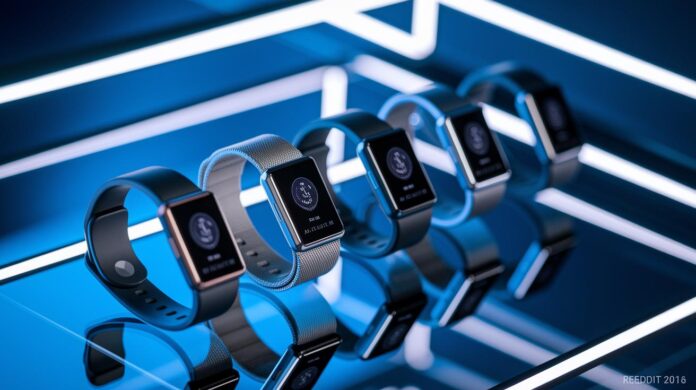

Have you ever wondered if your watch can do more than tell time? In this post, we're breaking down everyday details to show you the best wearable options for 2024. We checked out smart sensors (tiny tools that track things like steps and heart rate), long battery life, and tough designs. These devices help with health checks and outdoor adventures, making life a little easier. Our guide will help you pick the perfect wrist gadget that fits your style and needs.
Top-rated Smartwatches: The Best Wearable Technology Devices for 2024
We checked out the top smartwatches for 2024 by looking at a few main things: how sharp the sensors are, how long the battery lasts, the build quality, and the price. For example, the Apple Watch Series 10 comes with smart sensors (like blood oxygen, ECG, body temperature checks, and fall or crash alerts) and trusted health features approved by the FDA. Then there are the Huawei WATCH GT 6 Pro and Pebble 2 Duo. Their batteries can last up to 21 and 30 days, which makes a big difference if you need a watch that keeps going.
We also looked at extra features that can help with day-to-day tasks or rough outdoor adventures. Think of the Apple Watch Ultra 2 with its sporty features and the Garmin tactix 8, which is made tough for rough conditions. We made sure to check that each watch has accurate sensors, a solid build, and a fair price so that everyone enjoys what the watch offers.
| Device | Key Features | Battery Life | Price | Pros & Cons |
|---|---|---|---|---|
| Apple Watch Series 10 | Advanced sensors, FDA cleared health tech | About 18 hours | High-end | Great health tracking; higher cost |
| Apple Watch Ultra 2 | Sporty features, durable design | About 36 hours | Premium | Excellent for sports; pricey |
| Huawei WATCH GT 6 Pro | Essential sensors, long battery life | 21 days | Mid-range | Long battery; limited apps |
| Garmin tactix 8 | Tactical design, sturdy build, advanced GPS | About 14 days | Upper mid-range | Feature-packed; a bit bulky |
| Pebble 2 Duo | Smart note-taking, strong battery | 30 days | Budget-friendly | Outstanding battery; basic smart features |
Our top overall pick is the Apple Watch Series 10. It blends a full range of sensors with proven reliability, making it ideal for tracking health and staying connected every day.
Premier Exercise Trackers: Activity Analysis with Modern Athletic Apparatus
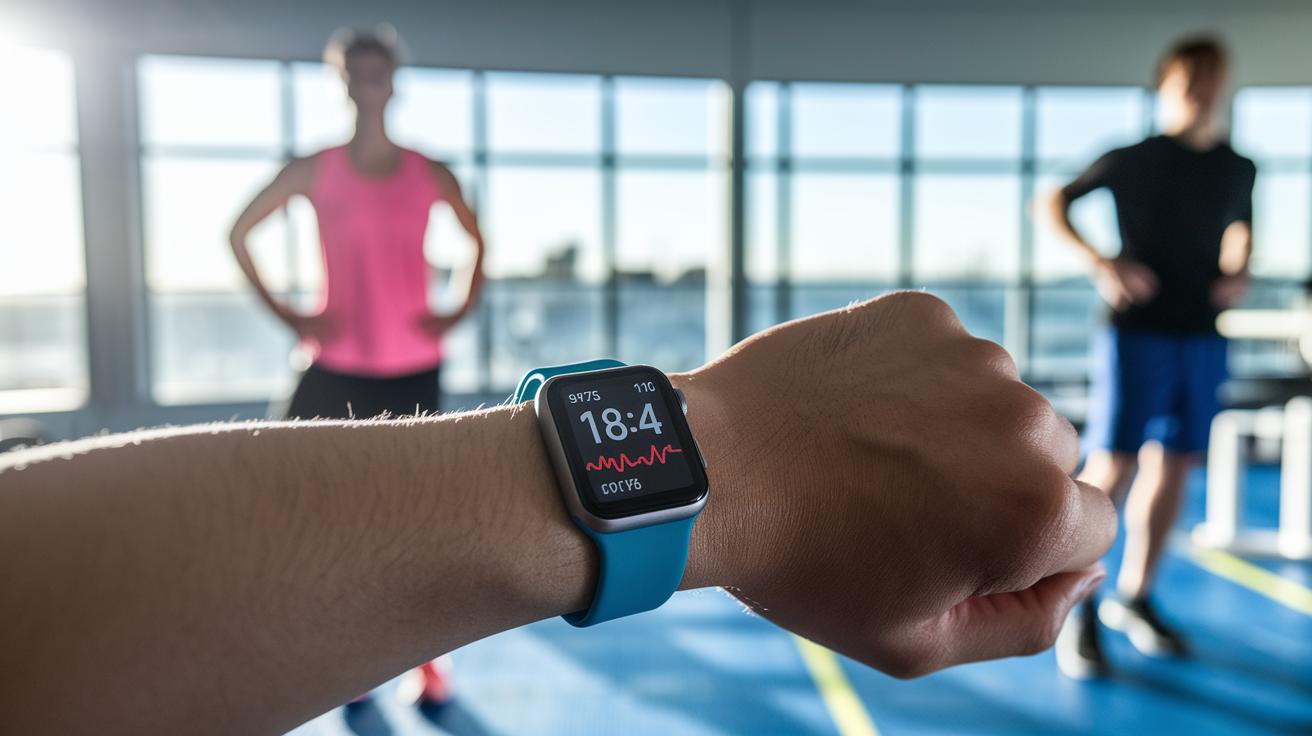
Exercise trackers are a must-have for athletes. They give clear, real-time feedback that helps you adjust your workouts, keep an eye on recovery, and balance your training days. Imagine checking your tracker and seeing how many calories you burned, the ups and downs of your heart rate, or even how well you slept last night.
Fitbit Charge 5 tracks your steps, heart rate, calories, and sleep so you can stay on top of your routine. Garmin Forerunner 955 offers advanced GPS (location tracking) and detailed performance analytics that are great for serious workouts. Garmin Fenix 7 is perfect if you love outdoor activities, thanks to its strong tracking and comprehensive sports data. The Whoop Strap 4.0 stands out with its subscription service, offering deep insights into recovery and strain to help you train smarter.
When comparing these options, you'll see that each device brings something different. Fitbit is friendly on the wallet and great for everyday tracking, while Garmin devices deliver precise, performance-focused data for varied sports. And if you’re looking to fine-tune your recovery, the Whoop Strap’s model might be the right pick for boosting your training efficiency.
Ultimate Health Monitors: Comprehensive Data Collection for Well-being
Smart devices built for deep health tracking are taking the spotlight. For instance, the Oura Ring is loved for its spot-on sleep tracking (sleep staging means breaking your sleep into distinct phases), almost like a secret diary noting every sleep detail. And the upcoming Samsung Galaxy Ring, expected in 2025, promises non-stop health insights while keeping everyday comfort in mind.
Wearables go even further by keeping an eye on things like heart rate variability (HRV, which shows how stressed you are) every minute. Whoop tracks HRV constantly to help you manage stress, and now smart shirts are out there that measure both your breathing and heart beats. These textile devices give real-world, detailed info and work under strict data security rules, with many sensors even approved by the FDA (Federal Drug Administration).
There’s also been a neat upgrade in hydration tracking. Hydration bands now alert you when you haven’t had enough water, pairing perfectly with your other health gadgets. Rings such as the Oura offer a subtle way to monitor your health, while textile wearables cover more ground for extra insights. This variety lets you choose a device that fits best with your daily routine, helping you boost your well-being with ongoing, careful analysis.
Innovative Biometric Detectors & Advanced Pulse Recorders
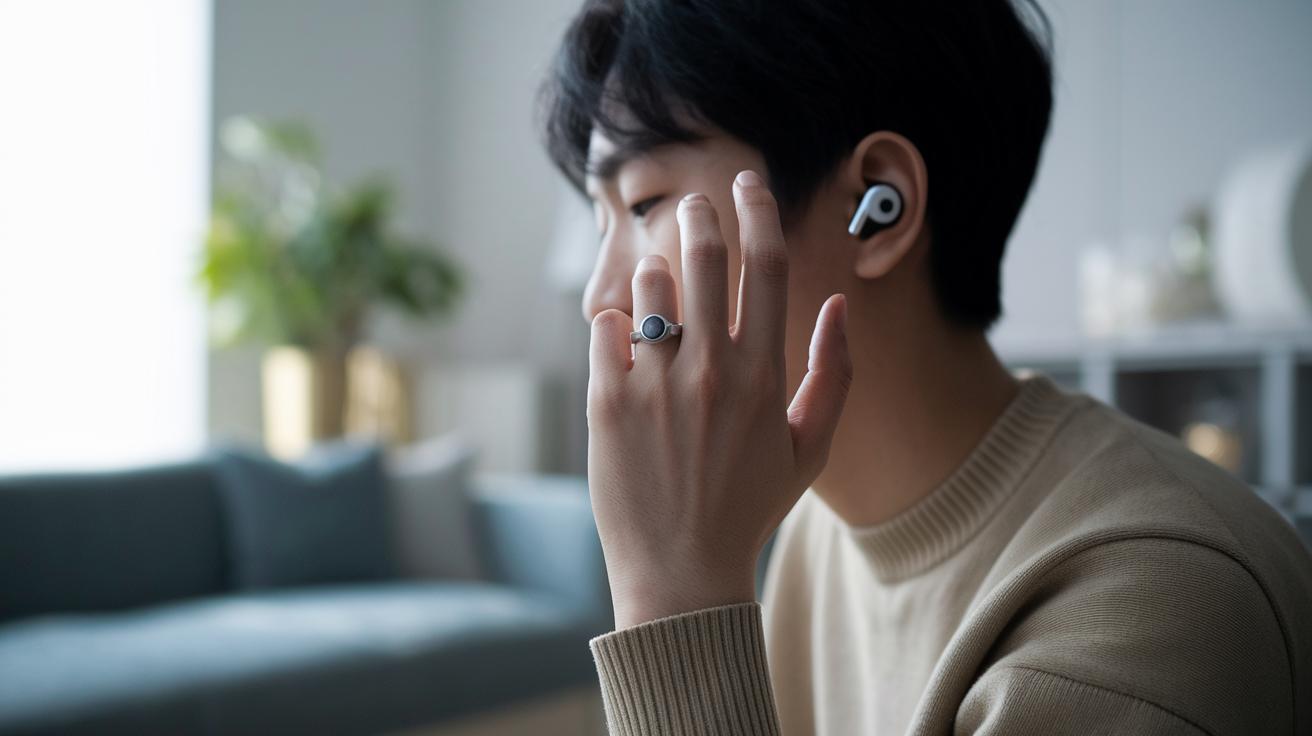
The AIVELA Ring Pro is pretty cool. It packs several sensors to check your heart and other body movements. Think of it as a smart, wearable buddy that gives you quick updates on how your body is doing, just like glancing at your watch.
Subtle Voicebuds take earbud technology to a new level by adding simple, built-in security. They listen closely to your voice and the sounds around you. Ever wonder if a quiet whisper could tell you about your stress levels? These earbuds catch even tiny changes to give you a fresh look at your health.
The Alveos One breathing wearable is like a mini tracker for your breathing. This patch-like device monitors your breaths with clear, precise readings. It shows whether you feel calm or alert. With a design that feels modern and smart, it points toward a future where healthcare is more personal and tailored to you.
Sleek Lifestyle Gadgets & Futuristic Workout Accessories
Beauty tech is getting a lot of buzz these days. You can now enjoy devices that care for your skin while packing smart features. For instance, the L’Oréal LED Face Mask not only gives your skin a boost but also brings a trendy vibe to your dressing table. It’s sleek, it’s modern, imagine having a little piece of art that works magic on your face.
Step into the future with AR and VR workout gear. Think about the INMO Air3 Smart AR Glasses, which show bright, clear overlays right in front of you while you exercise. And then there’s the ultra-light Pimax Dream Air SE VR headset that turns any room into a dynamic training zone. They blend state-of-the-art tech with designs perfect for an active life.
Even smart clothes are joining the party. Some shoes now include built-in sensors to keep track of each step and monitor your movement as you go. Not only do they boost your workout game, they also deliver a cool, high-tech look that fits right into your busy lifestyle.
Emerging Wearable Categories: Smart Clothing, Jewelry, and Headsets
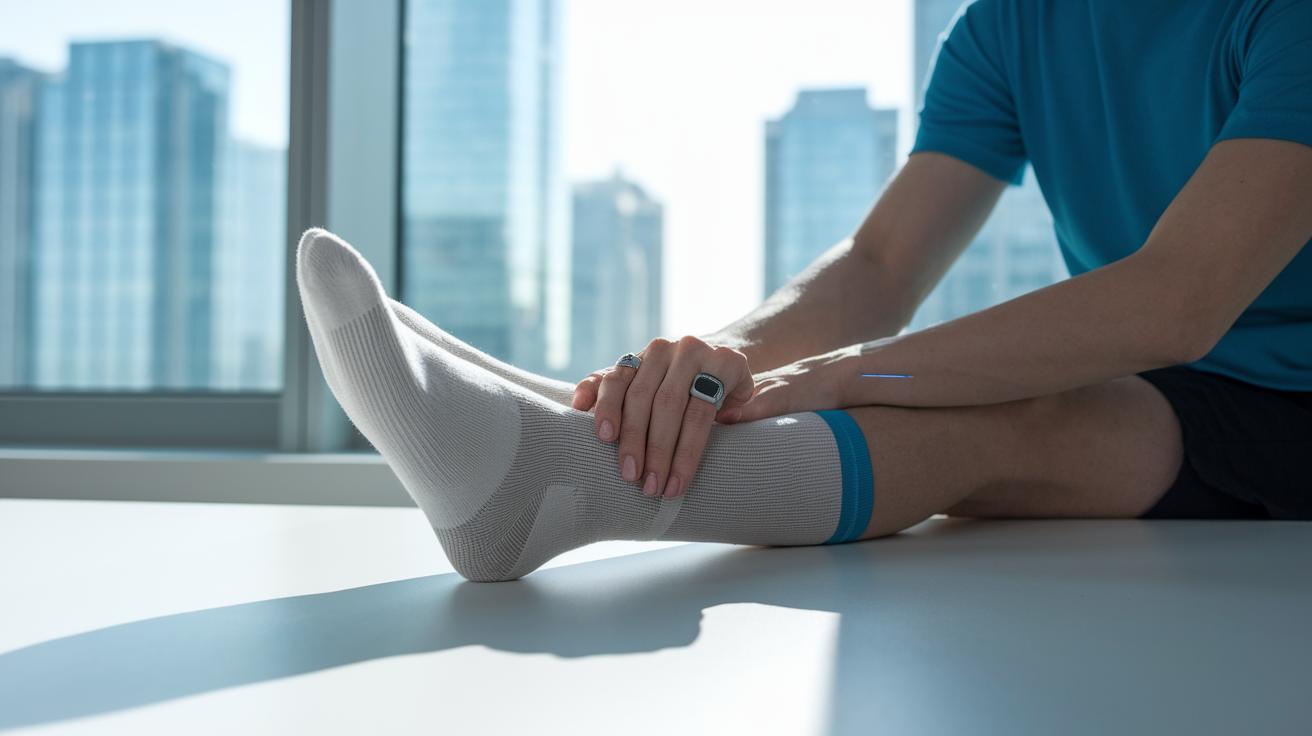
Smart clothing is now much more than just comfy wear. Imagine compression socks or specialized diabetic fabrics that keep track of your steps and vital signs, almost like a friendly coach cheering you on during a run. And consider a shirt that monitors your heartbeat as accurately as a fitness expert. Meanwhile, smart rings from brands like Oura, and the soon-to-arrive Samsung Galaxy Ring, quietly track your health in a cool, low-key way. Even tiny NFC and RFID implants are popping up, offering secure access that blends into your day-to-day style effortlessly.
In work settings, these wearables take on new roles compared to what you might use personally. For instance, headsets such as the Apple Vision Pro are stirring up workspaces by making spatial computing a reality for office tasks. Implantable tech is even being used to secure buildings and control access. On the other hand, everyday consumers can choose stylish pendant-like devices and real-time biometric monitors that keep an eye on daily health and lifestyle. It’s a neat mix of flair and functionality that shows how wearable technology is reshaping both work and personal life.
How to Choose the Best Wearable Technology Device for Your Needs
When picking out a wearable, start with the basics. Check if the battery lasts long enough, fitness trackers should run for about five days, while AR glasses may need roughly 18 hours. You also want sensors that give accurate info (like heart rate readings within a 2% error margin). And don’t forget to look at how comfortably it fits, whether it's waterproof, and if its companion app works smoothly.
Next, think about your must-haves. Some devices are packed with smart features and neat data dashboards, but they might lock you into one brand. It’s a good idea to see how well the device works with the other gadgets you already use. That way, you won't feel stuck later on.
Also, match your choice to your goals. For fitness, reliable mobility sensors and clear step or heart rate stats are key. If you’re focused on health, look for continuous monitoring and easy-to-read data. And for productivity, a quick and responsive app can help blend your work and play. With prices from around $100 to $800, there’s a perfect match out there for what matters most to you.
Final Words
In the action, we broke down smartwatches, exercise trackers, and health monitors, each with a snapshot of features, battery life, and design benefits. We also touched on futuristic wearables like biometric detectors and chic lifestyle gadgets. The guide wrapped up with tips to help choose the right fit for different needs, blending wellness with style.
This overview offers a clear look at the best wearable technology devices to keep you ahead in tech trends while making smart choices for everyday living.