

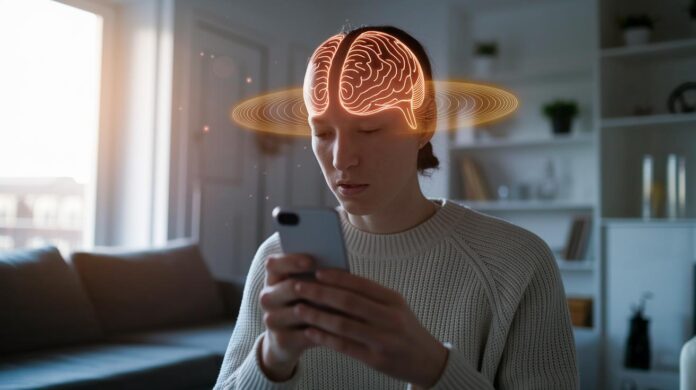

Have you ever thought about controlling your gadgets with your mind? Brain-computer interface devices (tech that lets your brain send signals to a device) are making that idea real. These smart headbands track your brain waves and even check your heart rate, turning your thoughts into data you can see on your phone. We're looking at everything from affordable options to high-end models. This cool technology might just change how we relax, play, and learn. It really seems like a brighter future is only a thought away.
Consumer Brain-Computer Interface Devices: A Comprehensive Overview
Consumer brain-computer interface devices let you track and interact with your brain's activity without any surgery. These comfy headbands use sensors (electroencephalograms or EEG, which feel like tiny electrical detectors) to read your brain waves. They come in many styles, from simple one-channel models starting near $100, to mid-range units around $350, and even fancy customizable sets that cost up to $2,000. Many of these devices also monitor your heart rate and sync with mobile apps for tracking things like meditation and sleep.
Imagine watching your brain's live signals on your smartphone. Yes, users say it can feel like watching lively patterns dance on a screen. This fun feature makes the devices great for everyday wellness, gaming, or even learning new things.
They're made to be wireless and easy to use, so anyone curious about how their thoughts turn into data can give them a try. Plus, with developer tools available, tech lovers can experiment with raw brain data to craft innovative apps.
These devices strike a balance between precise brainwave reading and simple everyday use. Their non-invasive design means you can jump in without medical procedures, opening up a fascinating look at the blend of mind and machine.
brain-computer interface consumer devices: Brighter Future

Muse
Muse mixes EEG (brainwave tracking) with heart-rate monitoring. It uses several channels at the front of your head, so it’s great for anyone keen on improving meditation or sleep. Plus, it comes with an app that turns your brain signals into clear, visual feedback. Imagine sitting quietly while your brain waves gently change with every breath, pretty cool, right?
Emotiv
Emotiv offers different headset models to match your needs. You can try out various brain-computer apps for free using their Emotiv Launcher. And if you’re into diving deeper with raw brain data, you can upgrade to Emotiv Pro, with discounts available for students. It’s built for regular users as well as tech experimenters eager to see how brain signals turn into commands.
OpenBCI
The OpenBCI Mark IV system is a hit among experimenters. It supplies up to 16 electrodes arranged in a standard 10-20 layout (a common way to set up EEG sensors), and its modular Cyton Board lets you customize your setup. Although the system costs between $1,000 and $2,000, its flexibility makes it a favorite for researchers and advanced DIY tech enthusiasts who need detailed brain data.
NeuroSky
NeuroSky is a solid pick for newcomers. It features a single-channel EEG sensor and starts at around $100. With a free software development kit (SDK) included, it’s easy for beginners to start exploring brain signals. It may only offer simpler data like basic alpha wave readings, but it still opens the door to understanding your brain activity.
Neurosity
The Neurosity Crown is aimed at those who love prototyping and research. It packs strong onboard processing power along with a wide-ranging developer SDK. It turns brain signals into commands seamlessly, which makes it a great tool for developers looking to add neural controls into interactive projects.
| Device | Price Range | Channels | Key Feature |
|---|---|---|---|
| Muse | $200-$300 | Multi-channel | EEG and heart rate with an easy-to-use meditation app |
| Emotiv | Varies | Multiple | Free launcher with an upgrade for raw data analysis |
| OpenBCI Mark IV | $1,000–$2,000 | Up to 16 | Modular 10-20 electrode setup for custom projects |
| NeuroSky | $100 | Single | Beginner-friendly with free SDK for easy experiments |
| Neurosity Crown | Mid to Premium | Multiple | Strong onboard processing with a comprehensive developer SDK |
Applications of Brain-Computer Interface Consumer Devices
- Mental wellness for meditation and sleep tracking
- Fun experiences with EEG-controlled rover demos and video game tie-ins
- Immersive virtual reality through neural links powering VR avatars
- Home automation that responds to your brain signals
- Smart prosthetics and assistive robotics to improve mobility
- Interactive neural tools in classrooms and sports settings
Consumer brain-computer interface devices turn your thoughts into real actions every day. They let you check your brain activity during meditation or sleep, so you can fine-tune your routine with instant feedback. Ever thought about a game that changes based on your focus? With EEG-controlled rover demos and video game integration, you jump right into a world where your mind leads the way.
Your living space can feel more like home too. Imagine a headband that reads your brain waves and tells your smart devices what you need. Adjusting lights or the room’s temperature becomes as simple as thinking it, pretty cool, huh?
And for folks using assistive robotics or prosthetics, these devices translate brain signals into precise movements. In schools or on the field, interactive neural interfaces help track focus and stress levels, giving teachers and coaches fresh insights into performance.
In truth, these advances show how real-time brain signal reading makes technology more responsive and engaging in our everyday lives.
Market Trends for Brain-Computer Interface Consumer Devices

The market for consumer brain-computer interface devices is set to grow about 12% this year. There are easy-to-use headbands, costing between $100 and $350, that let anyone start exploring brainwave monitoring with a simple, wireless setup. It’s amazing, a basic headband can pick up your brain signals just like a lab device, putting brain data right at your fingertips.
More advanced systems, costing between $1,000 and $2,000, are perfect for developers and serious hobbyists looking for detailed insights. These gadgets come with full-fledged software kits (SDKs, which are tools that help you build your own apps) that let users experiment with custom projects and push the limits of neural tech. Plus, companies are teaming up with app makers to offer enhanced neurofeedback experiences that really make these systems stand out.
AI is a big player in this growing market. Smart algorithms work with brainwave sensors to cut out excess noise and sharpen the signal, making the analysis of brain data faster and simpler. This means manufacturers can provide tools that not only capture brain data but also interpret it in real time. In short, the mix of affordable entry-level devices, advanced developer kits, and smart signal processing is paving the way for technology that feels more intuitive and responsive every day.
Key Factors in Choosing a Brain-Computer Interface Consumer Device
When you're picking a gadget that reads your brain signals, it's best to check a few important features that affect both how well it works and how easy it is to use. These devices can be as simple as headbands for everyday wellness or as advanced as kits for developers, so take your time to weigh your choices. Here’s an eight-point checklist to help guide you through what matters most.
-
Channel count
Check the channel count. Some devices offer just one channel (for basic readings), while others have up to 16 electrodes to give you richer data detail. A single channel might work well for simple meditation apps, but if you need deeper insights, multiple channels are the way to go. -
Signal fidelity
Think about signal fidelity. In plain words, ask how well the device picks up your brain signals and blocks out extra noise. -
SDK availability
Make sure it comes with a solid software kit (SDK) if you're planning to experiment or develop your own apps. This can really open up your options. -
Wireless range
Look at the wireless range. The device should let you move around freely without losing connection. -
Battery life
Battery life is key. Most devices run for about 4 to 8 hours, so choose one that fits with how long you plan to use it. -
Device comfort and weight
Pay attention to comfort and weight. A good design should be light (typically under 300 grams) and feel comfortable to wear for long periods. -
App ecosystem
Consider the app ecosystem. A strong library of compatible apps can make setup easier and improve how you use the device overall. -
Overall cost
Finally, think about the cost. You want a balance between your budget and the features you need, so choose wisely.
Weighing these points will help you find a device that blends great performance with everyday ease of use.
Future Directions for Brain-Computer Interface Consumer Devices

Next-gen brain-computer interface gadgets are about to get a huge boost. Soon, these devices will come with tiny on-chip AIs that quickly filter out background noise, so your brain signals come through crisp and clear. They’ll also sport smart electrodes that adjust to the shape of your head for readings that are even more on point. And with a fully wireless design, you can move around easily without getting tangled in messy wires. Picture a headband that fits you just right and cleans up the extra noise, kind of like having a built-in sensor that tunes itself to your brain, as one researcher explained.
In the near future, these devices might team up with AR and VR headsets, bringing forth digital worlds that instantly react to your thoughts. Imagine controlling your home, dimming your lights or adjusting your thermostat, just by thinking about it. Early models have shown lightning-fast response times and super low noise levels, which means these ideas could soon be part of everyday life.
Smart wearables powered by advanced AI are set to change our day-to-day routines. With personal gadgets that read brain signals faster and more accurately than ever before, brain-computer interfaces are evolving from experimental tools into must-have devices that blend perfectly with our connected world.
Final Words
In the action, this article highlighted how brain-computer interface consumer devices are reshaping tech usage. We looked at various device types, from simple headbands to complex multi-electrode systems, and explored their key features, price ranges, and real-world applications. The discussion also touched on market trends and factors to keep in mind when choosing a tool. Exciting innovations and upcoming advancements show that the future of consumer BCIs is bright, making it easier for everyone to enjoy smarter, more interactive technology.
FAQ
Q: What are brain-computer interface applications?
A: The brain-computer interface applications refer to devices that interpret brain signals to control computers. They power mental wellness tools, gaming peripherals, smart-home controls, and assistive technologies.
Q: What are brain-computer interface products?
A: The brain-computer interface products include consumer devices like wearable headbands, multi-electrode systems, and EEG-based controllers used for meditation, sleep tracking, and interactive gaming.
Q: Which companies are notable in brain-computer interface technology?
A: The brain-computer interface companies include Emotiv, NeuroSky, Muse, OpenBCI, and Neurosity. These companies offer devices ranging from basic entry-level headsets to advanced modular systems for research.
Q: What is Emotiv BCI?
A: The Emotiv BCI refers to a range of headsets designed for brain data collection and control. These devices offer various models, free software options, and upgrade paths for raw data analysis.
Q: How is the BCI headset priced?
A: The BCI headset price ranges from about $100 for entry-level devices to $2,000 for high-end systems. This range caters to casual users, developers, and researchers alike.
Q: What is known about the first brain-computer interface?
A: The first brain-computer interface laid the groundwork for turning brain signals into computer commands. Its development initiated a wave of non-invasive, sensor-based neural devices available today.
Q: What does non-invasive brain-computer interface mean?
A: The non-invasive brain-computer interface means devices that capture brain signals using sensors like EEG without surgery. They offer comfortable, wireless solutions for daily use and research.