



Ever wonder if everyday folks can really make a difference in their own neighborhoods? Civic tech gives you the power to do just that with simple digital tools that let you speak out and shape local choices. Imagine using an easy app to flag a faulty streetlight or to offer ideas for sprucing up a public park. This fresh method cuts through complicated paperwork and delivers clear fixes to community challenges. Civic tech paves the way for more local involvement and builds trust in government services that truly listen.
Foundations of Civic Tech: Definition and Key Impacts
Civic tech is all about using technology to help everyday people have a greater say in how their communities run. It brings together non-profit groups and digital tools to make government actions more open and responsive. Imagine a small town where residents use easy-to-understand apps to give feedback on local issues, this makes it much quicker for officials to address concerns.
This field stays away from political sides so that everyone gets equal treatment. By mixing tech with local efforts, complex data turns into clear steps that improve our neighborhoods. When non-profits use these ideas, they spark fresh ways to boost government services and keep residents involved in creating change.
The cool part is that these digital tools make government work more transparent. They give residents the power to shape what happens around them, transforming basic numbers into actions that help create fairer community decisions.
Core Civic Tech Tools and Platforms Driving Engagement
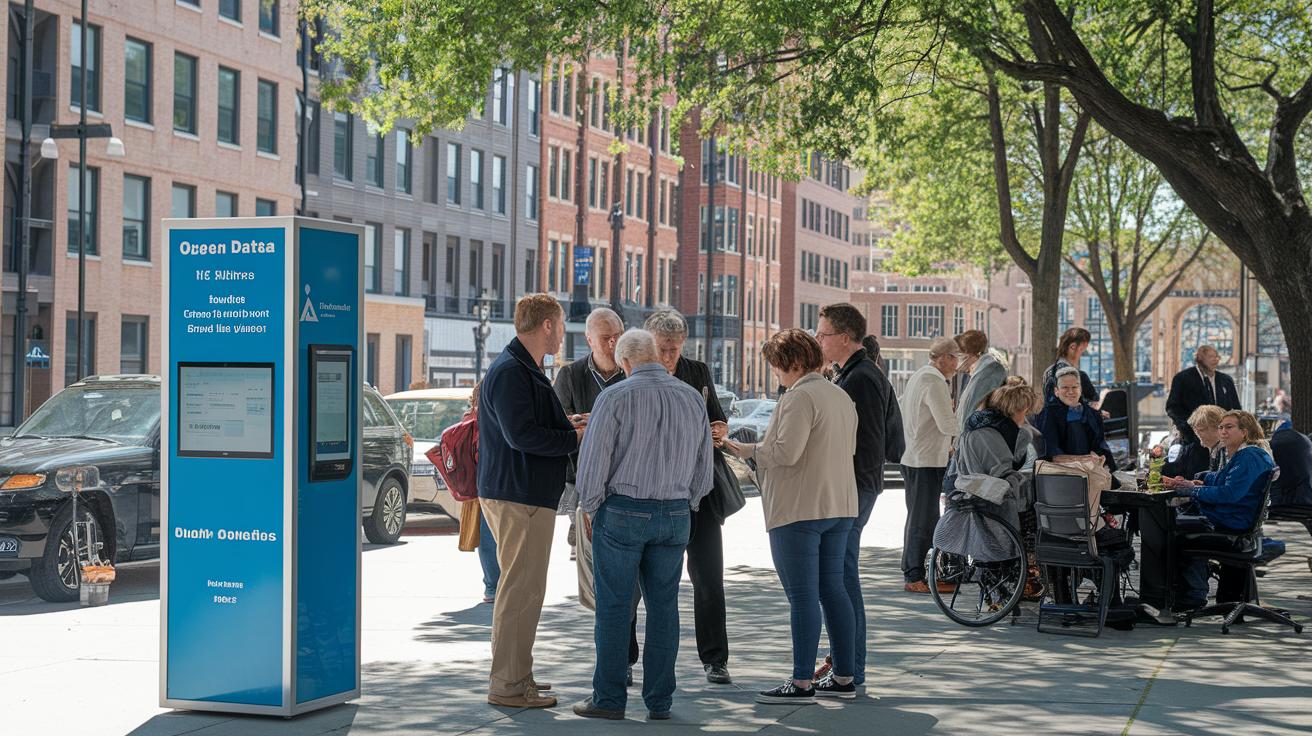
Civic tech platforms let people help shape local decisions using smart digital tools that keep everything open and clear. These systems let residents share ideas quickly, whether they’re at home on a phone or using a kiosk in their community. That means officials can hear concerns and fix issues much faster.
They mix simple tech with everyday input. Participatory budgeting apps, for example, give residents a say on how local money is spent. Voting and ranking systems show which ideas need quick attention. Other tools let locals report problems as they happen, speeding up how fast community leaders respond. Plus, open data portals make government actions easy to check, and mobile apps keep a steady chat between citizens and officials. Integrated analytics also cut the time to act on feedback in half.
Together, these civic tech tools build stronger community ties and help government decisions feel more trustworthy and clear.
- Participatory budgeting tools: Interactive apps that let residents vote on local projects, so community funds are used on what matters most.
- Voting and prioritization platforms: Digital systems that let people rank issues, clearly showing which ideas need urgent action.
- Community monitoring systems: Tools that allow residents to flag problems in real time, helping officials respond quickly.
- Open government data portals: Sites where public records and results are shared in a way everyone can understand.
- Citizen participation applications: Mobile and web apps that keep an ongoing conversation between locals and leaders.
- Integrated feedback and analytics tools: Systems that collect and quickly analyze data, cutting the act-on-feedback time by 50%.
Civic Tech Applications in Public Administration and Governance
Civic tech helps make government more open. It shows people how decisions are made and offers a simple way for them to share their ideas. By turning detailed reports into clear, easy-to-read scores, these tools build trust and keep discussions active.
On the flip side, GovTech works behind the scenes. It uses digital systems to help government workers do their jobs faster and smoother. This cuts down on paperwork and minimizes delays. When both approaches come together, they create clear communication for citizens and speed up internal processes.
For example, think of a smart dashboard that displays the progress of a new public park. It features simple numbers and visual updates that not only keep locals in the loop but also encourage government teams to work faster and more accurately.
Simple designs, straightforward reports, and quick feedback loops are key. Mobile apps let people drop in their thoughts from anywhere at any time, while automated systems help officials make decisions quickly. This blend of digital tools and smart city solutions makes sure every department runs efficiently even as the public stays well informed.
Balancing these two goals is no small feat, but when it works, it leads to open, trustworthy actions and fast, dependable public service.
Community-Driven Civic Tech Initiatives and Innovation Labs

Community-driven civic tech initiatives are all about people teaming up to build tools that make daily life better. They mix hands-on research, working together to design solutions (co-design), data science, and technology to create smart urban spaces. Residents, local experts, and government folks experiment in innovation labs, trying out new ideas and making steady tweaks. Interestingly, one small town lab saw a 40% boost in local engagement just by letting residents test prototype apps on the spot.
These public labs and community programs offer safe spaces to try out new civic tech tools. They bring fresh ideas into everyday discussions and turn complicated data into clear, easy-to-understand messages. Locals suggest simple changes that make digital tools more user-friendly, which can improve public services overall. Every voice matters here, and each piece of feedback helps shape smarter city planning.
Limitations of Innovation-First Frameworks vs. Incremental Civic Tech Approaches
Quick, one-off bursts of innovation can sometimes miss the mark with real public needs. A steady, community-first approach lets us test small changes, learn from our mistakes, and adjust along the way. This method builds trust and blends more naturally with current public systems, ensuring that digital progress truly serves the people every day.
Measuring Impact: Case Studies in Civic Tech Effectiveness
Civic tech is showing real results that make a difference in our communities. Digital tools aren’t just trendy, they help cut down the time needed for analysis and speed up how residents and officials connect. For example, projects that focus on planning and placemaking have helped shape neighborhoods, while simple communication apps boost engagement by letting people share their thoughts easily. And when it comes to public safety, these systems have trimmed response times and improved local services overall. It’s clear that mixing digital tools with local governance brings up tangible benefits.
| Initiative | Impact Metric | Outcome |
|---|---|---|
| Participatory Budgeting Tool | Time to Close Feedback Loop | -50% |
| Community Safety Dashboard | Issue-Response Cycle | -30% |
| Urban Design Co-Creation Platform | Resident Retention Rate | +25% |
These case studies show that digital solutions quickly meet community needs. By reducing delays and boosting participation, civic tech makes a strong case for using smart technology to build safer, more connected, and responsive communities.
Challenges and Best Practices for Civic Tech Adoption

Civic tech sometimes hits bumps like low participation, shaky trust, and working with old systems. Even simple apps can struggle when not enough people jump on board. Imagine a city tool that only a handful of residents use because the word didn’t spread well. It shows that you really need wide user support for real change.
Balancing the call for clear public input with fast, smooth government operations can be tricky. When open data sharing (letting everyone see how decisions are made) clashes with the need for quick steps, officials can lose both trust and speed. On top of that, many projects have to deal with systems that aren’t built for rapid tech upgrades. Fun fact: one pilot project only got 30% user participation because it didn’t match long-standing local habits.
Civic tech projects can win over these challenges with a few simple strategies. Testing ideas, working hand in hand with community members, and sharing data clearly can really make a difference. Here are five key tips:
- Stakeholder co-design: Get local residents and experts involved right from the start so the solution fits what the community really needs.
- Iterative evaluation: Test ideas, learn from real feedback, and adjust features along the way.
- Scalable engagement strategies: Build approaches that can grow with the community, using both digital tools and local meet-ups.
- Transparent data practices: Share data openly so everyone understands how decisions are made.
- Ethical tech deployment: Always keep privacy and fairness in mind, making sure the tools work well for all citizens.
Future Trends and the Evolving Landscape of Civic Tech
Digital change is happening fast in our towns. Local governments are turning to new tech that lets communities decide what works best, making everyday tasks as easy as ordering dinner. Imagine using an app that not only handles permit requests but also sends live updates, simple and clear for busy folks.
Cities from around the world are teaming up too. Think of it like a global group project where every city shares its top ideas to better involve people. Experts and local leaders meet at events, share their wins, and set up easy steps for future improvements. At one gathering, a leader mentioned that making small, steady updates has turned slow processes into systems that really listen to people.
Officials are also setting up smart rules that change with community feedback. This way, digital tools can grow and adapt while always keeping the public’s needs in mind.
Final Words
In the action, we reviewed the foundations of civic tech. The article touched on how technology supports people-centered decision-making and community innovation. We saw how digital platforms empower citizens and streamline public service tasks. Real-life case studies showcased measurable improvements, while best practices highlighted ways to overcome common challenges. Future trends point toward more adaptable and engaging approaches in public service, paving the way for smarter tech decisions. Civic tech stands as a promising tool to boost participation and shape brighter, community-driven outcomes.
FAQ
What does civic tech mean?
Civic tech means using data and digital tools to help communities make better decisions. It connects citizens with public services and supports clear, people-centered decision-making.
What are civic tech jobs?
Civic tech jobs focus on developing technology and data tools that support public engagement. Workers in this field help build digital platforms that increase transparency and improve community services.
What is a civic tech company or startup?
A civic tech company or startup uses digital solutions to boost community engagement and streamline public services. These businesses work with governments or nonprofits to create easy-to-use platforms for citizen input.
What is Civic Tech DC?
Civic Tech DC acts as a hub that brings together tech experts, startups, and local organizations. It works on community-focused projects to improve government transparency and engage residents in decision-making.
What is a civic technologist?
A civic technologist uses technical skills and community insights to design digital tools that empower citizens. Their work bridges technology with public needs, making government services more accessible and trustworthy.
What is the difference between civic tech and GovTech?
Civic tech focuses on engaging citizens with digital platforms for public input and transparency, while GovTech is aimed at improving internal government operations and administrative efficiency through technology.
What are examples of civic skills?
Civic skills include clear communication, teamwork, and data literacy. These skills help individuals work together to solve community issues, organize neighborhood initiatives, and understand public data for better decision-making.