

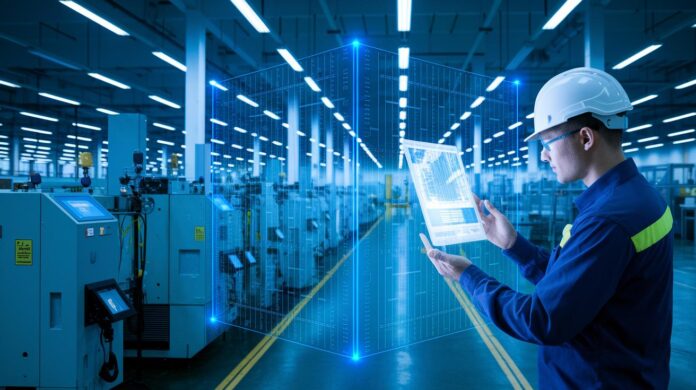

Ever wonder if a machine could have its very own online copy? Digital twin technology makes a live duplicate of equipment and systems. It updates every sensor detail right as it happens.
Imagine watching a turbine adjust to changing weather, almost like checking a smart dashboard. This technology lets engineers spot problems fast and improve performance on the go. It turns routine checks into smart updates and sparks new ideas that can change the way we manage our technology every day.
Understanding Digital Twin Technology Fundamentals
A digital twin is basically a real-time digital copy of a physical object, system, or process. It’s built with code and updated with live sensor info like temperature, vibrations, and performance data. First seen in tech talk back in 1991, it allows companies to see and interact with real things through a digital version. Picture a wind turbine monitored online as it reacts to changing weather, pretty cool, right?
Digital twin tech isn’t just a fixed image. It constantly pulls in live data from tools like 3D laser scanners, drones, and cameras (gadgets that capture detailed information about the world). With every new sensor update, the digital model shifts in real time, mirroring every move the physical asset makes. This ongoing update helps engineers and managers spot problems early and keep a close eye on performance.
At its core, a digital twin is a practical tool for monitoring, analysis, and proactive decision-making. It mirrors real-time changes so stakeholders can quickly check conditions, plan maintenance, and tweak processes for better results. Think of it as a production line that gets instant feedback, letting everyone know exactly how things are running. This mix of live data and detailed digital modeling transforms old routines into smart, interactive practices.
Types of Digital Twin Models and Their Roles

Component Twins focus on individual parts. They create digital copies of one item, like a turbine blade or gear, capturing details such as size, material, and operating conditions. For example, a component twin might track a machine part's temperature during use, making it easier to fix issues when one element isn’t working right.
Product Twins group several component twins into one digital model. Think of it like combining different parts of a car engine where sensors on every piece send real-time data into one integrated system. This gives a clear view of overall performance, helping engineers spot and address issues that might affect the whole asset.
System Twins bring together multiple product twins to see how different subsystems interact. Imagine an aircraft fuel system where several digital models simulate fuel flow under various conditions. With system twins, you can see how parts work as a team, predict disruptions, and adjust strategies for smoother operations.
Process Twins take it a step further by merging system twins to mirror full-scale operations found in factories, warehouses, or production lines. By visualizing the entire process, decision-makers can evaluate workflows and resource use in real time, testing changes virtually before applying them in the real world.
| Model Type | Primary Use |
|---|---|
| Component Twins | Models individual parts |
| Product Twins | Evaluates asset-level performance |
| System Twins | Examines interactions among subsystems |
| Process Twins | Represents full-scale operations |
Industry Applications of Digital Twin Technology
Manufacturing has come a long way with these systems. They let teams see how machines are doing in real time and even predict when maintenance is needed. Imagine a busy factory floor where sensors keep an eye on machine temperature, vibrations, and power use. Managers get quick alerts if something starts to go wrong, so they can fix it before it becomes a big problem. For example, a smart assembly line even figures out when parts might wear out so the maintenance crew can step in early.
In the construction world, digital twins make it easier to combine live sensor data with detailed 3D scans. Think of a large office building project where sensors send real-time info to a digital model downtown. This setup helps engineers keep track of progress, check a building’s strength, and make sure everything is built right. Every new sensor update shows changes on the model, so any differences from the plan jump out right away. This live simulation keeps construction teams on track, making sure every concrete pour and steel beam fits perfectly.
Digital twin technology is also changing healthcare. Hospitals can use a digital twin to mirror the day-to-day operations of an intensive care unit. Sensors track patient vital signs and treatment responses, all in real time. This helps doctors and nurses see exactly how patients are doing at any moment and make quick, informed decisions, kind of like a coach calling the right play in a fast game.
City planners are also getting a boost with digital twins. They can simulate traffic, energy use, and even public transport efficiency in smart city setups. Picture a district where planners can virtually stroll through streets and tweak lighting, road layouts, or parks based on live data. This makes it a lot easier to turn big urban challenges into manageable tasks.
Technical Architecture Behind Digital Twin Systems
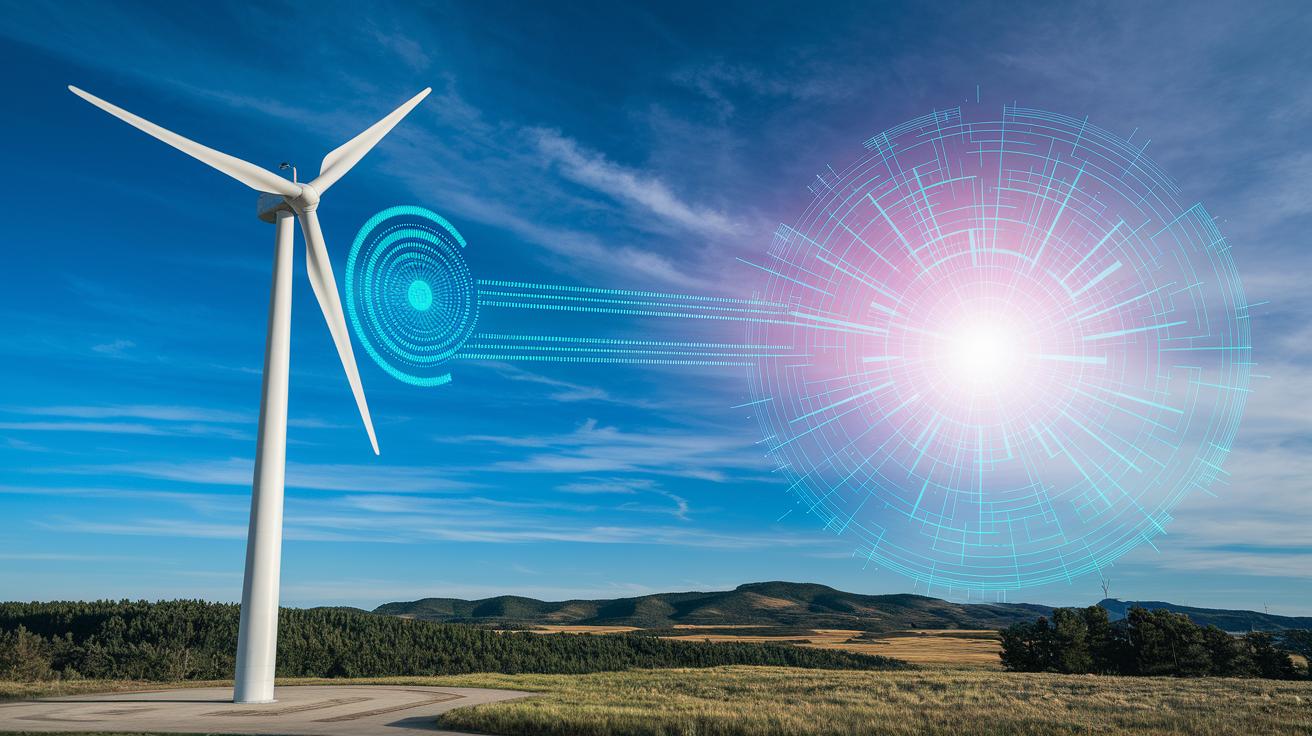
Digital twin systems rest on a layered tech foundation that links hardware and software smoothly. They use sensor networks (tiny devices that capture real-world details) to grab fresh data right away. For instance, sensors on a wind turbine pick up heat, shaking, and overall performance before sending the info automatically. This raw data kick-starts the creation of the digital twin.
After that, data engines step in. They clean up and save the numbers in online databases (cloud storage, think of it as a virtual safe) to keep the info neat and secure. Imagine a smart filter sorting out the best details from a flood of data. Powered by quick-response algorithms, these engines make sure that only the most useful bits move forward.
Then, 3D modeling tools (programs that create digital images) turn the data into a visual model. They use techniques from building design to map point clouds (clusters of dots that form shapes). The cleaned data becomes a lively three-dimensional model you can explore in VR (virtual reality) or MR (mixed reality). Picture stepping into a digital world where every sensor reading shows up as part of a moving, interactive model.
At the base, smart programs like AI and machine learning dig deep into the data. They predict future trends and provide health reports that guide maintenance choices. Linking with cloud platforms lets these systems simulate large projects and move data safely, so even the trickiest digital twin setups run smoothly. All together, this setup makes digital twin systems both clever and trustworthy.
Key Benefits of Implementing Digital Twin Technology
Digital twin technology creates a real-time digital copy of physical assets. This means industries can experiment with changes on a computer before making any real-world adjustments. Engineers enjoy the freedom to tweak designs safely, which speeds up innovation while keeping production on track.
With constant data updates and live monitoring, digital twins help cut repair bills, steer decisions about product lifecycles, and guide smart resource use. It’s like having a digital mirror that shows you exactly how a system is performing, so you can act quickly and efficiently.
- Faster research and development: For example, teams can adjust a design in a virtual setting and see the effects instantly, saving money on costly physical prototypes.
- Smoother operations: Continuous system monitoring means managers can watch performance in real time and tackle issues as soon as they pop up.
- Lower maintenance expenses: Predictive alerts help service teams fix small problems before they become big issues, reducing unplanned downtime.
- Better product lifecycle choices: Dynamic digital models guide decisions about whether to update, repurpose, or recycle products.
- Smarter resource use: Testing different scenarios virtually shows which approach saves energy or time, leading to more informed decisions.
By using digital twins, companies get a smart and agile way to test, monitor, and refine their processes, perfectly matching today’s fast-changing market needs.
Challenges and Best Practices for Digital Twin Deployment
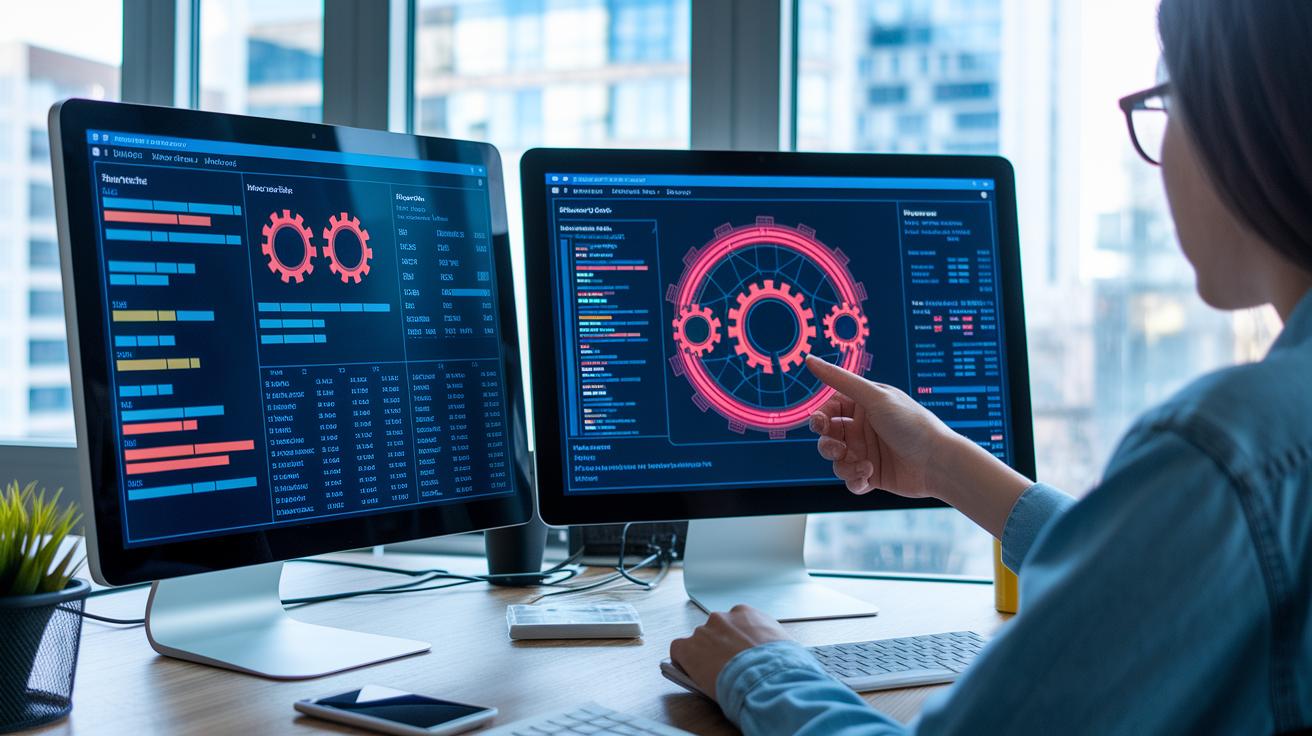
Deployment Challenges
Digital twin projects can hit a few bumps right at the start. One major issue is getting different sensors and devices to share their data smoothly. It can feel like trying to finish a puzzle where some pieces are missing. Then there's the challenge of keeping up with changing rules for digital simulations. Picture aiming at a moving target, it’s tricky! Cybersecurity is another worry. Even a small breach in a virtual system can cause a chain reaction across the project. Plus, if you don’t have an accurate digital copy of your asset from the get-go, setting up the rest can be a real headache.
Best Practices
The good news is that clear strategies can help you get past these obstacles. First, use a single plan to manage all your data. This way, every device speaks the same language. Next, try out small pilot tests. It’s like test-driving a car before buying it. A standard integration plan keeps teams on the same page and cuts down on miscommunication. Regular security checks are key too, they catch problems before they grow. And finally, make sure every team member understands the goals of the digital twin project. With everyone rowing in the same direction, you’ll turn challenges into stepping stones for a smoother rollout.
Future Trends and Market Outlook for Digital Twin Technology
The digital twin market is booming. Experts predict it will hit around $48.2 billion by 2026, growing more than 35% each year. And that’s not all, AI is powering virtual models that learn and adapt in real time. Imagine a production line that figures out its own maintenance needs long before anything goes wrong. It’s a smart move that’s catching the eye of many industries, making companies rethink how they manage their equipment.
Open-source simulation tools are also on the rise. These flexible programs let companies create and tweak digital models without paying big licensing fees, which means top-notch digital copies become affordable for everyone. On top of that, new algorithms are being woven into these systems. Thanks to AI and machine learning (tech that teaches computers to learn from data), updates happen fast, keeping digital models in near-perfect sync with the real world. It’s like having a live report on the health of your operations.
Industries such as agriculture and energy management are already taking advantage. Better predictive analytics from these digital models help forecast asset performance and plan maintenance work. This isn’t just about avoiding breakdowns, it’s a smart way to reduce risks and fine-tune daily operations. As the digital twin moves from a cool tech idea to a must-have tool, businesses are finding that turning data into quick, smart decisions is the way forward.
Final Words
In the action, our discussion covered the basics of digital twin technology, explained its various models, and showed real-world examples from industries like manufacturing and healthcare. We broke down the technical setup and highlighted the benefits, best practices, and anticipated market trends.
The article underscored how digital twin technology is making a measurable impact, helping us monitor systems in real time. This shift is setting the stage for a brighter, more connected future in tech.
FAQ
What is a digital twin in technology?
The digital twin in technology is a real-time digital replica of a physical object, system, or process using sensor data. It mirrors actual conditions to help monitor and analyze performance accurately.
What are the 4 types of digital twins?
The four types are component twins (individual parts), product twins (grouping components), system twins (studying how subsystems interact), and process twins (replicating full-scale operations).
What is an example of a digital twin?
An example of a digital twin is the digital model of an airplane engine that uses sensor data to reflect real-time performance, such as tracking temperature and vibration levels.
What is digital twin software?
Digital twin software creates and manages digital replicas by integrating live sensor data. It supports real-time monitoring, simulation, and analysis to improve performance and predict maintenance needs.
How is digital twin technology used in healthcare?
Digital twin technology in healthcare replicates patient data and medical images into digital models. It helps simulate treatment outcomes, monitor patient conditions, and optimize healthcare services.
How is digital twin technology applied in construction?
In construction, digital twin technology uses live sensor data and 3D scans to update models in real time. It improves quality control, tracks progress, and supports effective project management.
How does digital twin technology benefit civil engineering?
In civil engineering, digital twin technology simulates infrastructure like bridges and roads using real-time data. It helps monitor structural health, predict maintenance needs, and boost safety assessments.
How is digital twin technology used in manufacturing?
Digital twin technology in manufacturing creates a live digital mirror of production lines. It enables predictive maintenance and performance tracking to reduce downtime and optimize overall efficiency.
What is the role of digital twin technology in agriculture?
In agriculture, digital twin technology replicates farm operations, including crop growth and irrigation systems, using live data. This helps optimize yield, manage resources, and plan effective interventions.
What does digital twin technology PDF refer to?
A digital twin technology PDF typically refers to a downloadable document that explains key concepts, benefits, and technical details of digital twins for easier understanding of their implementation.
Is digital twin part of AI?
Digital twin systems often integrate AI to analyze real-time data, predict maintenance needs, and optimize operations. AI supports digital twins by converting sensor data into valuable insights.