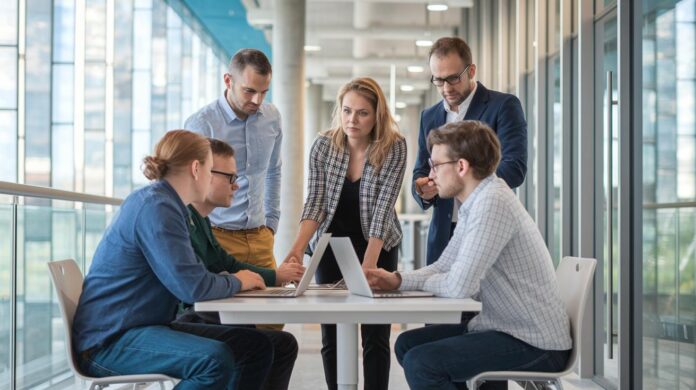

Ever noticed that working in an office these days no longer means a long, tiring commute?
Digital workplace trends are shaking things up and rewriting our everyday routines.
Today, companies use smart tools that bring everyone together, turning old habits into flexible, connected experiences for every team member.
As businesses ditch clunky systems for quick and simple digital setups, it’s clear that change isn’t coming slowly, it’s already here, sparking fresh shifts in how we work.
How Digital Workplace Trends Are Shaping the Future of Work
Today, digital workplace trends mean that employees can work smoothly no matter where they are. These trends are all about working from anywhere and kicking old office routines to the curb. Companies are now focused on making tools simpler and easier to use, so even frontline workers, who might have been forgotten before, feel included.
After COVID-19, many organizations saw that staying flexible with remote work isn’t just a nice-to-have; it’s essential to stay competitive. For example, one company transformed its office mindset by shifting from one big office to a lively digital plan that brings together communication tools and resources for every team member. Mobile apps have become like little hubs, offering quick updates and tools right when you need them. And now, AI helps customize work like managing schedules or providing self-help tips. Imagine getting a daily update on your phone that picks out the tasks that suit your skills best.
Leaders are placing strategy front and center by creating digital plans that let employees take control. This shift means you can use any device to access the tools you need without getting lost in clunky systems. The focus on a unified digital space shows a clear move away from outdated, disconnected tools. As organizations embrace these trends, they’re building work environments that feel more connected, responsive, and prepared for what’s coming next.
Digital Workplace Trends in Remote Work Innovations and Policies

Companies are mixing in cutting-edge digital tools with remote and hybrid setups to make work smoother and safer. They’re combining cloud desktops (virtual computers) and digital whiteboards (online spaces to brainstorm ideas) to keep teams connected in real time across different locations. Imagine starting your day with an AI-powered nudge, a quick reminder of your top task, setting a brisk tone for the day.
AI-driven scheduling now takes over routine tasks, meaning less manual work and more time to focus on what matters. New remote work policies stress the need for secure connections, using tools like secure VPNs and unified communications (a system that keeps all your team’s messages in one place) to ensure everyone stays linked up.
Key innovations boosting this new work style include:
| Innovation | Description |
|---|---|
| Cloud Desktops | Virtual workstations accessible from anywhere |
| Digital Whiteboards | Online spaces for brainstorming and collaboration |
| AI-Powered Scheduling | Automated task reminders and calendar management |
| Secure VPN | Safe access to company networks from any location |
| Unified Communications | Integrated platforms that keep team communications streamlined |
These innovations create a focused, efficient work environment, setting fresh standards without rehashing the old themes.
Digital Workplace Trends in Virtual Collaboration Advancements
Today’s collaboration tools are getting smarter and simpler, helping teams work together with ease. Think of them as a cozy digital room where everything, from conversations to updates to files, is neatly organized. Platforms like intranet systems, Teams, and mobile apps act like one-stop hubs for all your work needs, much like your favorite assistant giving you a daily catch-up.
Meetings are getting a fun twist, too. Live video updates, virtual town halls, and even sessions with game-like elements are making everyone eager to join in. Imagine logging into a town hall where you can instantly share your thoughts through quick polls and chats. One manager shared that his team felt a real boost in connection after switching to these interactive virtual sessions, a clear sign that a little change in style can make a big difference.
Data is now playing a superstar role in team interactions. Constant feedback helps adjust communication to fit everyone’s needs perfectly. With a ton of apps in use, about 1,181 on average in large companies, it's crucial to have smooth integrations with established systems. These links cut down on the hassle of logging in repeatedly, helping work feel more connected and less tiring overall.
All in all, this shift is about cutting out friction and letting digital tools do the heavy lifting. The goal is to turn teamwork into an even more engaging and productive experience for everyone.
Digital Workplace Trends for Cloud Workspace Strategies
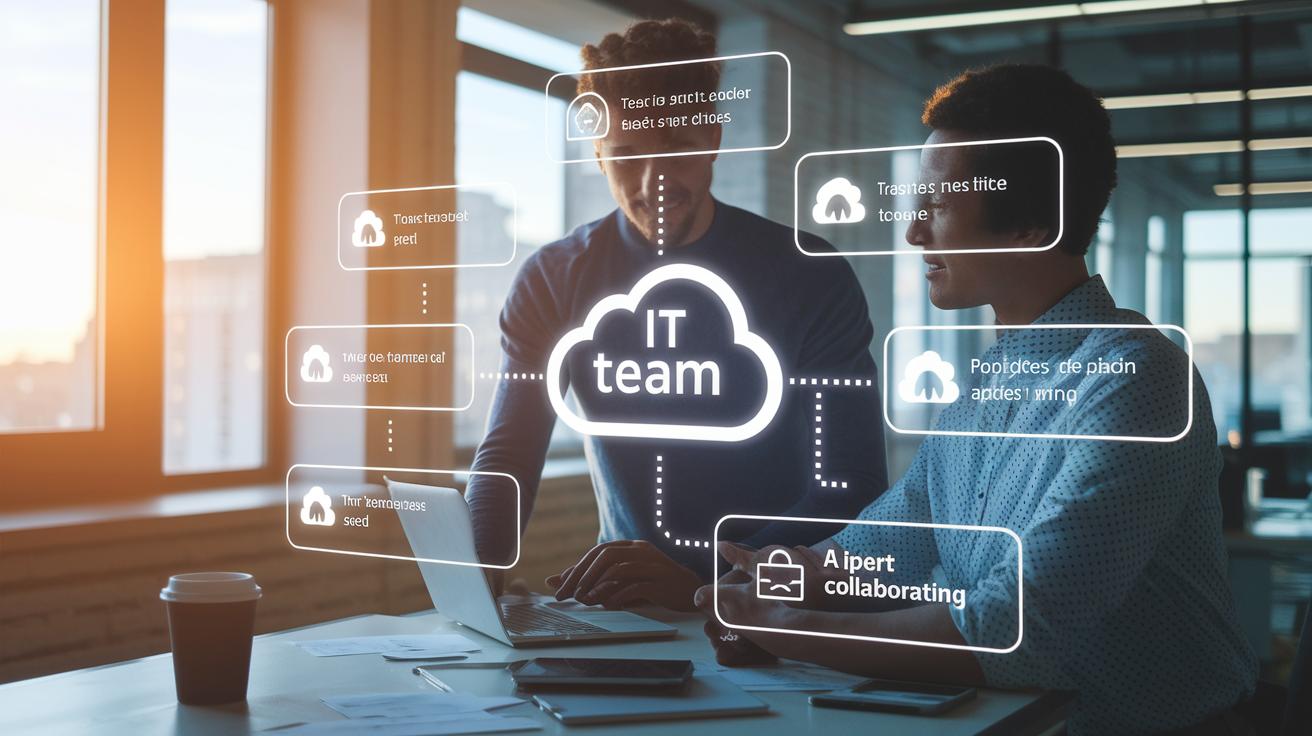
Big companies now use over 1,180 cloud services, which shows how tricky it can be to mix so many tools together. Usually, they focus on two main things: quick remote IT help to watch over devices and secure remote access with simple logins and patch updates.
For IT help, systems regularly check hardware and send instant alerts when problems pop up. And for secure access, companies rely on single-sign-on (SSO, a one-step login process) and constant updates to keep devices safe. This smart mix makes managing devices, apps, and security feel almost effortless, even when teams work from different spots.
Some businesses choose cloud solutions that spot issues right away and jump in with fixes, while others lean on tight security and steady updates. Top cloud providers offer platforms that combine these features, helping companies get past common tech hurdles and spend less time putting out fires.
Below is a comparative table that shows these two approaches:
| Function | Key Features |
|---|---|
| Remote IT Support / Device Monitoring | Instant tracking, real-time alerts, proactive issue resolution |
| Enterprise Remote Access | Secure SSO, patch management, unified device control |
These smart integration tactics help companies streamline digital work and create a safe, connected environment for everyone.
Digital Workplace Trends with Automation and AI Integration
Automation and AI are really shaking up our work lives. They take care of the everyday tasks that used to slow us down, letting teams focus on the creative and important parts of their jobs. Imagine your schedule updating itself automatically, meetings and deadlines shift based on how you work. It’s like having a friendly coworker who nudges you when it's time to move on to the next task.
And there's more. Machine learning (a way for computers to get smarter by learning from data) is helping businesses catch problems before they blow up. By watching over different systems in real time, companies can spot risks early and fix them quickly. Plus, AI-powered help screens mean you don’t have to wait around for IT support. Instead, you get the help you need right when you need it. This switch from old, paper-heavy methods to fast, digital solutions is boosting productivity all around.
Here are four AI-driven functions making these changes happen:
- Task automation – It handles repeat jobs, leaving you more time for fresh ideas.
- Schedule optimization – Your calendar adjusts smoothly to match your work style.
- Threat detection – Smart computers spot issues early using machine learning.
- Intelligent assistance – Proactive helpers guide you through your day.
These smart updates are making workplaces smoother and more in tune with what modern teams need.
Digital Workplace Trends and Cybersecurity Best Practices

Remote work brings a lot of freedom, but it also opens up new risks like hacking, email scams, and data breaches. Using your personal device can make these threats even easier to hit. As our digital workspaces grow, so do the weak spots. It’s a bit like logging in from a coffee shop on your tablet, it’s as risky as leaving your door unlocked in a busy neighborhood.
Companies are really stepping up their game when it comes to protecting our online work areas. They’re relying on smart security methods that fend off attacks without slowing you down. The latest trends focus on multiple layers of protection to keep your data safe while making sure remote connections stay fast and smooth.
Let’s break down five key cybersecurity best practices to keep in mind:
- Multi-factor authentication – This adds extra steps to confirm who you are.
- Encrypted communications – This keeps your messages private and secure.
- Real-time patch management – This ensures your software is always updated with the latest fixes.
- Secure remote connectivity – This means using trusted networks and VPNs to stay safe.
- Employee training – Regular sessions to help everyone spot risks and avoid phishing scams.
Together, these strategies work hand-in-hand to lower the risk of breaches and safeguard digital workspaces in a rapidly changing world.
Digital Workplace Trends Forecast: Emerging Trends to Watch in 2026
Looking ahead, digital workplaces that bring everything together will replace old, clunky tools. Companies are moving toward systems where all digital work resources sit in one place, making everyday tasks smoother and easier to manage. This means employees can work in one clear space instead of switching between different apps, saving time and reducing hassle.
As tech really takes off, learning new skills and updating old ones becomes super important. Workers need to be ready to handle the latest digital tools. Experts suggest adding regular training and certification sessions to daily routines. Some firms even use fun, game-like projects that boost engagement while supporting causes like the environment, so everyone feels connected and valued.
Experts also point out cool trends coming in areas like IoT (smart devices that are connected to the internet), AR/VR (virtual and augmented reality gadgets), and new ways to set up services without a central hub. These breakthroughs will create work environments that are more exciting and connected. Imagine using virtual reality during meetings or smart office devices that adjust the room to just the right temperature, these changes will transform how we work. Plus, keeping an eye on the environment means that these digital upgrades help both the business and the planet.
Overall, these insights provide a clear roadmap for companies ready to dive into the next generation of workspaces and stay ahead of the competition.
Final Words
In the action, this article covered everything from remote work innovations to cloud workspace strategies, and even AI-driven efficiency. We broke down virtual collaboration advances and cybersecurity best practices with clear examples. Each section offered fresh insights to help you make sound tech decisions. This discussion highlights digital workplace trends that are shaping work setups and sparking new ways to approach everyday challenges. Embrace these tech updates as they push us toward a future of smarter, smoother work.
FAQ
Q: What are digital workplace trends in 2023?
A: The digital workplace trends in 2023 focus on offering better remote work experiences, cutting tool fragmentation, and integrating mobile apps with AI for personalized work tools.
Q: What is a digital workplace trends pdf?
A: A digital workplace trends pdf is a downloadable guide that explains current strategies, key performance drivers, and best practices for optimizing remote and hybrid work environments.
Q: What digital workplace trends emerged in 2022?
A: The digital workplace trends in 2022 highlighted the shift toward remote flexibility, proactive digital planning, and the growing need for AI-powered tools and secure cloud services to drive employee collaboration.