

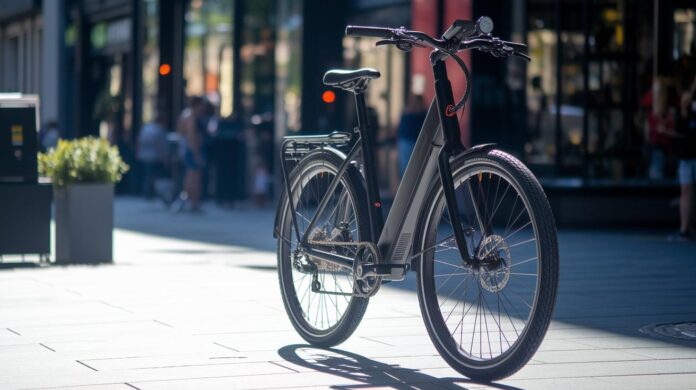

Ever wonder if your e-bike could be more than just a ride? This guide dives into the details that really matter. We break down battery life, motor power, and other features in plain language so you know exactly what you're getting.
Whether you're zipping to work or exploring off the beaten path, our honest reviews and standout picks will help you find an e-bike that feels just right.
Take a look and discover the perfect companion for your everyday adventures.
E-Bike Buying Guide and Reviews: Essential Purchase Factors
When you’re picking an e-bike, start by thinking about how you'll use it. Maybe you're zipping through city streets every day, enjoying off-road weekend excursions, or need a foldable option for quick urban trips. Knowing your riding style makes all the difference.
Most e-bikes offer different motor types, like hub-drive or mid-drive (a system where the motor is placed near the pedals for smoother riding). They also come with various pedal-assist levels and a throttle. All these features work together with the battery's power (measured in watt-hours, which you get by multiplying volts and amp-hours) and fast charging tech to keep you moving reliably, even in stop-and-go traffic.
Core specs really help narrow down your choice. Typically, the battery takes between 3 and 6 hours to charge fully and has a capacity of around 400 to 500 Wh or more for everyday use. In real-life scenarios, you can expect a range of 20 to 80 miles on one charge. This guide helps you figure out how these numbers stack up against price and value, so you can find the e-bike that matches your lifestyle and budget.
- E-bike type: commuter, off-road/adventure, or folding/cargo
- Motor power: options like hub-drive and mid-drive with either pedal-assist or throttle
- Battery capacity and charging speed: based on watt-hours and time it takes to charge
- Range: how many miles you get per charge
- Price vs. value: comparing costs with the features offered
- Comfort and ergonomics: the fit, ride feel, and overall design
Every ride blends these features to create a new experience tailored to your needs. If you're commuting in the city, a bike with a powerful motor and a solid battery is ideal. But if you often need quick storage and portability, a lightweight, folding model might be best. With these straightforward tips, you can choose an e-bike that feels just right for your everyday journeys.
E-Bike Buying Guide and Reviews: Technical Features Comparison
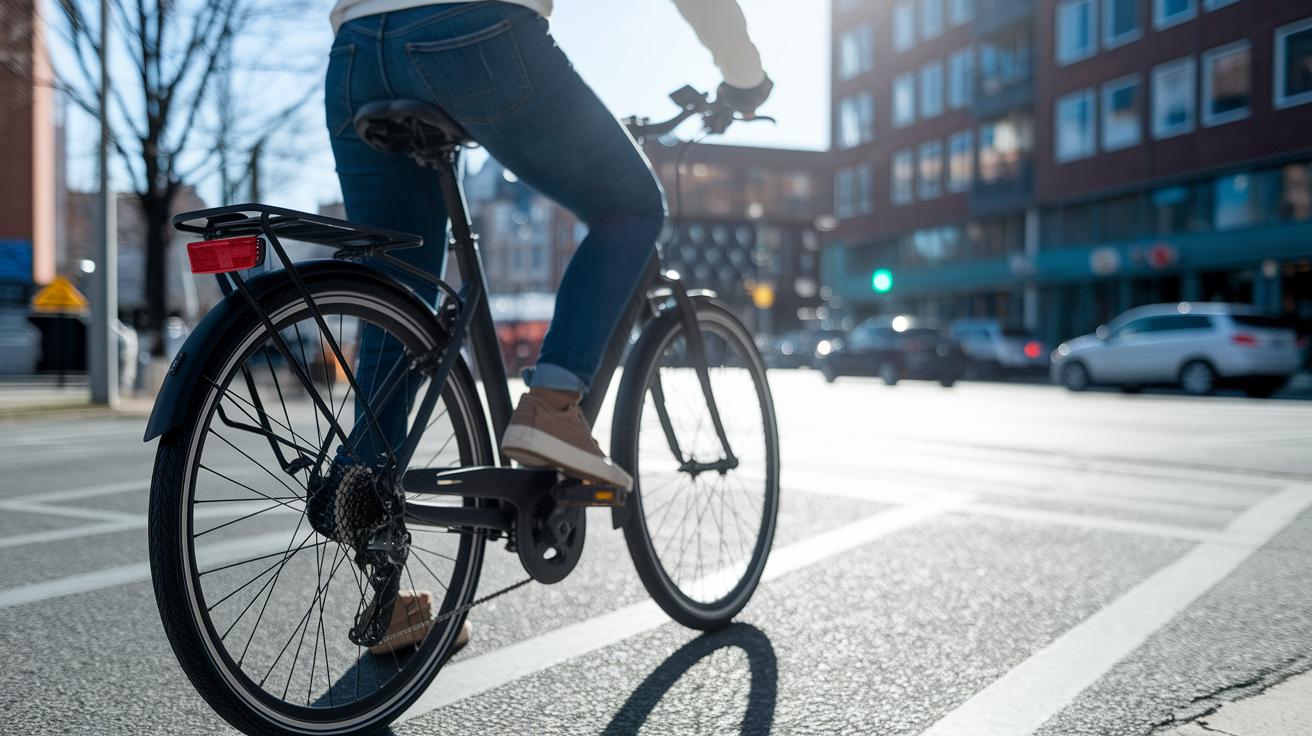
When you’re picking an e-bike, the specs really matter. They directly affect how smooth and fun your ride will be. Understanding what each feature does helps you choose the perfect bike for your needs.
| Feature | What to Look For | Why It Matters |
|---|---|---|
| Motor & Pedal Assist | Torque sensor vs. cadence sensor | Makes the bike react quickly and ride easily |
| Battery & Charging | Standard charging (3–6 hours) vs. quick-charge (1–2 hours) | Helps decide how quickly you can get back on the road |
| Frame & Suspension | Aluminum, carbon fiber, or steel | Impacts weight, durability, and how smooth the ride feels |
| Brakes | Hydraulic disc, mechanical disc, or rim brakes | Influences stopping power and upkeep |
| Tires | Narrow road tires vs. wide all-terrain tires | Determines grip and ride comfort |
Reading spec sheets can feel tricky, but it’s all about the details. Compare numbers like battery capacity and motor power, and check out what materials the frame is made of. Real-life use might differ from the sheet stats, so it’s a good idea to read reviews and test reports. For instance, figuring out the difference between a quick-charge system and a standard one, or which frame feels more stable, is key when riding through busy city streets or on bumpy trails. This way, technical terms turn into clear, practical advice for your next ride.
Top E-Bike Models in Our Buying Guide and Reviews
When you look for a bike, it's important to consider how it holds up, how far it can travel, its cool looks, and if it works well for the whole family. Our selections mix tough build and lasting performance with appealing design and smart tech. Whether you want a bike that folds easily for small spaces, one that glides smoothly on busy city streets, or a ride that's safe for family outings, these choices offer something for everyday life.
DAHON Unio E20
The DAHON Unio E20 catches your eye with its foldable frame that makes storage and transport a breeze. It's light on the road, making you feel agile, and its mid-range price fits well with its lasting quality. Picture a bike that quietly folds up in your small apartment without adding extra weight, it’s a great fit for city living.
Devinci E-Milano
The Devinci E-Milano is made for urban adventures. It uses a Shimano E5000 mid-drive motor (which helps the bike move smoothly) and a 418 Wh battery (a reliable power source). With its modern city look and comfortable ride, it feels both quick and relaxed. It’s like a partner in your daily grind, keeping you moving smartly on busy streets.
Urban Arrow
Urban Arrow is perfect for family rides. It comes with padded seats and a low center of gravity, which ups safety. This model also features roomy storage and built-in seat belts to keep everyone secure. It’s your go-to option when you need to carry groceries, kids, or parcels without losing stability in turns.
| Model | Key Features |
|---|---|
| IGO Cabot RS | Canadian touring design and strong parts for long rides |
| Tern Quick Haul | Budget-friendly cargo option with step-through frame and reliable Bosch motor |
| Electric Bike Company Model J | Retro steel build with tech touches like brake lights, turn signals, 50-mile range, and a 10-year motor warranty |
E-Bike Buying Guide and Reviews: Pricing Insights and Cost-Efficiency Analysis

There are plenty of e-bike options out there, each with its own price range and features. If you're looking for something simple, entry-level bikes under $1,000 provide all the basic functions for casual rides. Mid-range bikes, which cost between $1,000 and $2,500, usually offer improved battery life and motor performance along with a steady range of around 50 miles, a solid choice for daily commutes. And if you’re after top-notch quality, bikes priced from $2,500 to $5,000 or more come with better motors, larger batteries, and lighter frames that really smooth out your ride.
When choosing your e-bike, think about its long-term value. A higher-priced model might cost more up front, but its quality parts often mean fewer repairs and a longer lifespan. In plain terms, you’re weighing the price against overall performance and how happy you’ll be with your ride over time.
Also, be sure to check for extra costs that might sneak up on you. These can include assembly fees, shipping charges, or even expenses for additional accessories. Keeping these in mind as you plan your budget can help you make a smarter, fairer investment in today’s competitive market.
E-Bike Buying Guide and Reviews: Maintenance & After-Sales Support
Taking care of your e-bike keeps the fun rolling for years. Try a simple ABC check (Air, Brakes, Chain) before every ride to catch issues early. Check your tire pressure and tread each week, and avoid draining your battery fully to help it last 3 to 5 years or 500 to 1,000 cycles. A quick look at your brakes and chain can save you from bigger problems down the road.
Warranties are important, too. Most e-bike frames come with a warranty of 2 to 5 years, while the electrical systems are usually covered for 1 to 3 years. So, read the small print and make sure you have a nearby service center for quick repairs if needed. This way, you know exactly what to expect if something goes wrong.
After-sales support isn’t just about the warranty. Look into how easily spare parts can be found and check what other customers are saying about the manufacturer’s support. Fast access to replacement parts means less downtime and a bike that stays in top shape. Planning your maintenance and support means more worry-free rides every day.
E-Bike Buying Guide and Reviews: Safety Components and Riding Tips

Here in the U.S., e-bike classes are set up to keep you safe. Class 1 and Class 2 bikes top at 20 mph and don’t need a license, while Class 3 bikes can reach 28 mph and might require local registration. It’s always a good idea to wear a helmet and some reflective gear, and to follow your local rules so you can ride without worry.
Before you head out, take a few minutes for a quick safety check. Look over your tires to make sure they grip well, test your brakes, and do a simple pre-ride check to see that everything works right. Adding protective gear into the mix helps you feel more confident when you’re navigating busy streets.
Take a close look at your bike’s built-in LED head and tail lights to ensure you stay visible during both day and night rides. Check out the suspension options too, whether it’s a rigid fork or a front suspension can really affect your comfort. And of course, high-performance brakes that offer smooth stopping power are key when it comes to handling sudden stops in traffic.
E-Bike Buying Guide and Reviews: Frequently Asked Questions
What range can I realistically expect?
Usually, you can ride anywhere between 20 and 80 miles on one charge. It all depends on the battery size and how much motor help (assist level) you pick when riding. If you rely on full assist on long rides, you might only get around 20 miles, but if you choose a lighter assist, you could push it closer to 80.
Do I need licensing or insurance for my e-bike?
Most Class 1 and Class 2 e-bikes don’t need a license. But if you’re eyeing a Class 3, check local rules, some places may require registration or helmet use. Insurance isn’t usually a must, yet it never hurts to see what your local laws say.
How should I charge and store my battery for longevity?
To keep your battery in top shape, try not to let it run completely empty. Instead, charge it regularly, and if you’re not riding for a while, store it at about 50% charge. This simple tip can help your battery last longer and stay reliable.
Can I sync my e-bike with a smartphone app?
Yes, many e-bikes now come with a digital dashboard that easily connects to your smartphone. That way, you can track your ride stats, update the bike’s software, and even see geo-tracking data all in one place.
Are e-bikes environmentally friendly?
They sure are! E-bikes run on electricity, which means zero emissions while you ride. Plus, some companies are using recycled or sustainably sourced parts, making them a greener choice for getting around.
Final Words
In the action, we broke down how e-bike type, motor specs, battery capacity, range and cost shape your ride. The post outlines key points from technical comparisons and model reviews to pricing details and maintenance tips.
Each section of our e-bike buying guide and reviews gives you clear insights for informed decisions. Enjoy smooth rides and smart choices as you head out on your next e-bike ride.
FAQ
What are the best e-bike buying guides and reviews?
The best e-bike buying guides and reviews cover essential specs like battery endurance, motor wattage, cost efficiency, and comfort, while also incorporating regional tips such as those found in the California guide.
What defines the top electric bikes for adults and which models make the list?
The top electric bikes for adults combine strong range performance, quality battery capacity, and comfort for daily riding. These guides also list standout models that meet various performance and design needs.
How do Consumer Reports Electric Bikes reviews help me make a decision?
Consumer Reports Electric Bikes reviews compare safety, reliability, and real-world performance, giving you clear insights into each model’s strengths and suitability for everyday use.
What should I know about high-speed e-bike models, like those designed for adults reaching 50 mph?
High-speed e-bike models for adults, including 50 mph versions, focus on powerful motors, enhanced safety features, and robust builds to handle demanding riding conditions confidently.
What range can I realistically expect from an e-bike?
The realistic range of an e-bike depends on battery capacity, assist level, and terrain, typically falling between 20 and 80 miles per charge under everyday riding conditions.
Do I need licensing or insurance for my e-bike?
Licensing is usually not needed for Class 1 and 2 e-bikes, while Class 3 models might require local registration or helmet use; insurance may be optional and depends on state regulations.
How should I charge and store my battery for longevity?
Charging and storing your battery properly means avoiding full discharges, keeping it around a 50% charge during long-term storage, and using the proper charging methods recommended by the manufacturer.
Can I sync my e-bike with a smartphone app?
Many e-bikes offer Bluetooth integration and dedicated smartphone apps that provide ride metrics, firmware updates, and geo-tracking, making it easy to monitor performance and settings.
Are e-bikes environmentally friendly?
E-bikes are made with zero-emission operation in mind, and several models use recycled or sustainably sourced materials, helping to reduce their environmental impact while offering efficient transportation.