

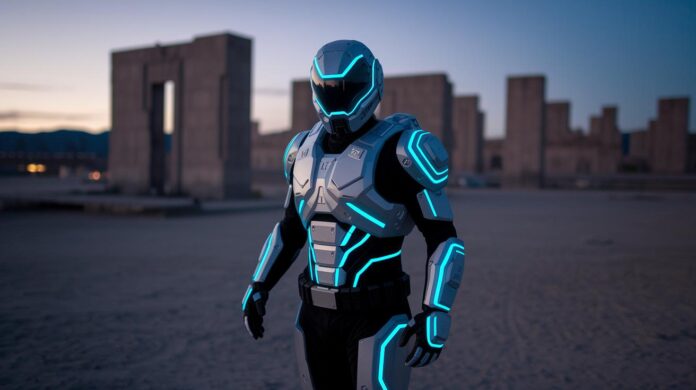

Have you ever wondered what it might be like to wear armor that feels more like a second skin? Today's military armor is cutting-edge. It's designed to be sleek and smart so soldiers can move quickly. Imagine materials so light you barely notice them, yet strong enough to block sudden threats. With sensors that keep watch and flexible plates that bend with your body, this gear brings extra safety and comfort to the front lines. It’s a great example of how high-tech innovation can mix tough protection with ease, getting our troops ready for anything they face.
Evolution of Futuristic Military Body Armor Concepts
Military body armor has come a long way since the late 1800s. Back then, soldiers wore heavy steel plates that offered protection but made them slow and uncomfortable. Now, thanks to new materials and clever design, modern armor is both lighter and smarter.
Today’s systems use advanced soft materials that deliver strong defense without weighing you down. They've improved through careful testing and real-life combat experience to ensure soldiers stay ready for any situation.
Here are some of the standout features in modern body armor:
| Feature | What It Does |
|---|---|
| Flexible ceramic-composite plates | Offers light yet strong protection |
| Ventilated, weight-optimized carriers | Enhances comfort with better airflow and reduced weight |
| Integrated health-monitoring sensors | Keeps track of vital signs in real time |
| AI-driven threat detection modules | Quickly spots and warns against dangers |
| Embedded battlefield analytics | Provides live data for smarter decision-making |
| Exoskeleton-compatible mounting points | Works with extra support gear to boost mobility |
These upgrades mix in modern tech like IoT sensors (small devices that connect to the internet) and upcoming systems that adapt to fast-changing battle conditions. The result is gear that is not only safer and lighter but also gives soldiers critical, real-time information when they need it most.
It’s an exciting shift built on decades of research and field experience. As these improvements continue, future military gear will redefine how protection and comfort go hand in hand on the battlefield.
Materials Innovations for Futuristic Military Body Armor
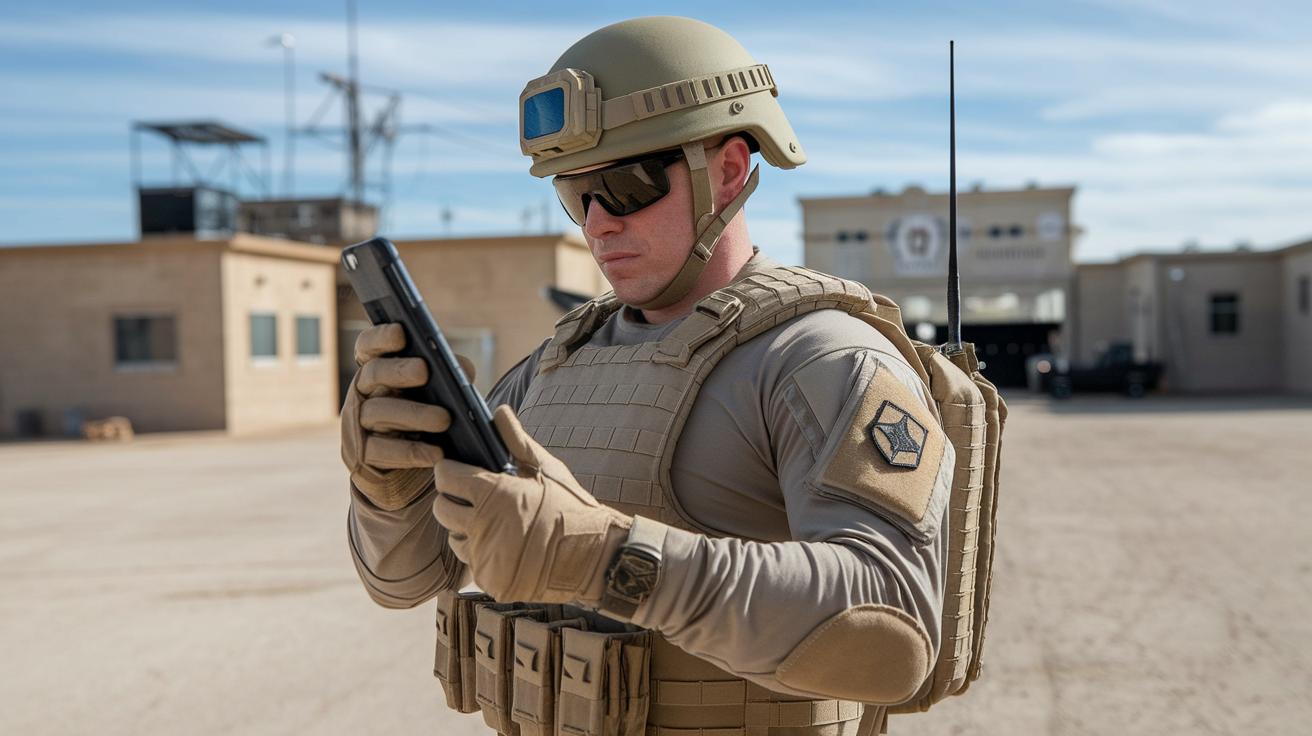
New breakthroughs in material science are changing military body armor. It’s getting lighter, tougher, and more eco-friendly. Engineers mix trusted Kevlar with new UHMWPE fibers (a super-strong plastic fiber) like Mithra to cut weight while still giving solid protection. And now, nano-ceramic composites (tiny ceramic particles) and evolving graphene layers (ultra-thin carbon sheets) are paving the way for armor that’s light, strong, and moves with the soldier.
| Material | Composition | Weight Reduction (%) | Protection Level | Flexibility |
|---|---|---|---|---|
| Kevlar | Aramid fiber | 10 | Level IIIA | Medium |
| UHMWPE (Mithra) | Polyethylene fiber | 25 | Level III | Low |
| Nano-ceramic composite | Alumina + graphene | 30 | Level IV | Medium-High |
| Graphene multilayer | Carbon allotrope | 40 | Level IV+ | High |
These advances show a future where soldiers wear streamlined armor without giving up safety. Companies are experimenting with sustainable fibers, and leaders like DuPont are driving eco-friendly manufacturing. By mixing proven materials with breakthrough composites, soldiers get gear that is easy to move in and built to last. The latest nano-ceramic and graphene solutions quickly adapt to different tactical challenges. Think of it like trading a clunky tool for a smart, flexible gadget that moves just like you do. Step by step, nanotech armor and ceramic shields are pushing body armor to new levels of performance and sustainability.
Smart Tactical Defense Suit Technologies in Futuristic Military Body Armor
Modern combat gear now comes packed with smart software that easily handles sensor data. It uses an AR display to show you real-time danger levels in a clear, visual way. This makes it simple to see threats as they develop.
The suit syncs with your command center’s systems. Sure, mixing old and new tech can be a challenge, but the new features give you extra insight for fast, sharp decisions. Imagine your visor lighting up in red for hot danger and blue for safe zones, that’s split-second info you can rely on.
- Vital-sign monitoring fabric
- Integrated threat-recognition cameras
- AR helmet display with tactical overlay
- Low-power battlefield analytics module
- Secure mesh networking for unit coordination
Because it focuses on clever software and smart data tweaks, this suit does more than just share real-time info. It refines and processes data quickly, letting you update tactics on the fly, putting modern systems way ahead of the old ones.
Exoskeleton Integration in Futuristic Military Body Armor Systems

Assistive exoskeletons are changing how soldiers carry their gear by teaming up with modern body armor. They help lighten heavy loads during tough missions and cut fatigue by about 30%. This means soldiers can stay active and react quickly when they need to.
KDH Defense Systems Next-Gen Armor Initiative
The US Air Force is backing the KDH Defense Systems project, which fits powered parts (actuators, devices that start movement) into armor. By blending an exoskeleton with standard body armor, the project aims to reduce strain by roughly 30%. They’re building a futuristic suit that lets soldiers move agilely while staying well protected.
There are challenges, though. Designers must merge the strong build of exoskeletons with the flexibility of modern armor. Engineers carefully match each exo-mount point with natural body joints and synchronize the power supply with every move. They also tackle issues like uneven ground and extra system weight. Field tests and step-by-step improvements are key to this process.
Every new advance brings us closer to armor that balances robust strength with smooth mobility. Continuous research and teamwork are what will make sure soldiers get the best support possible.
Mobility and Articulation Challenges in Futuristic Military Body Armor
Rigid designs, like those you see in Mass Effect and Dune, often hold back natural movement. Designers are challenged to let soldiers move freely while keeping armor tough and light.
Engineers are busy creating gear that pushes away fast impacts without freezing mobility. They use overlapping scales and joints that spin 360 degrees to match how our limbs move. Instead of one stiff shell covering the whole body, they split the armor into parts so soldiers can bend and twist while still soaking up energy from hits. These clever tweaks, like energy absorption that adapts and systems that spread out the force, help protect soldiers without making them feel trapped in clunky gear.
In short, the goal is to build armor that feels almost like a second skin: strong enough to protect but flexible enough to let soldiers stay nimble when it really matters.
Future Research Trends for Futuristic Military Body Armor
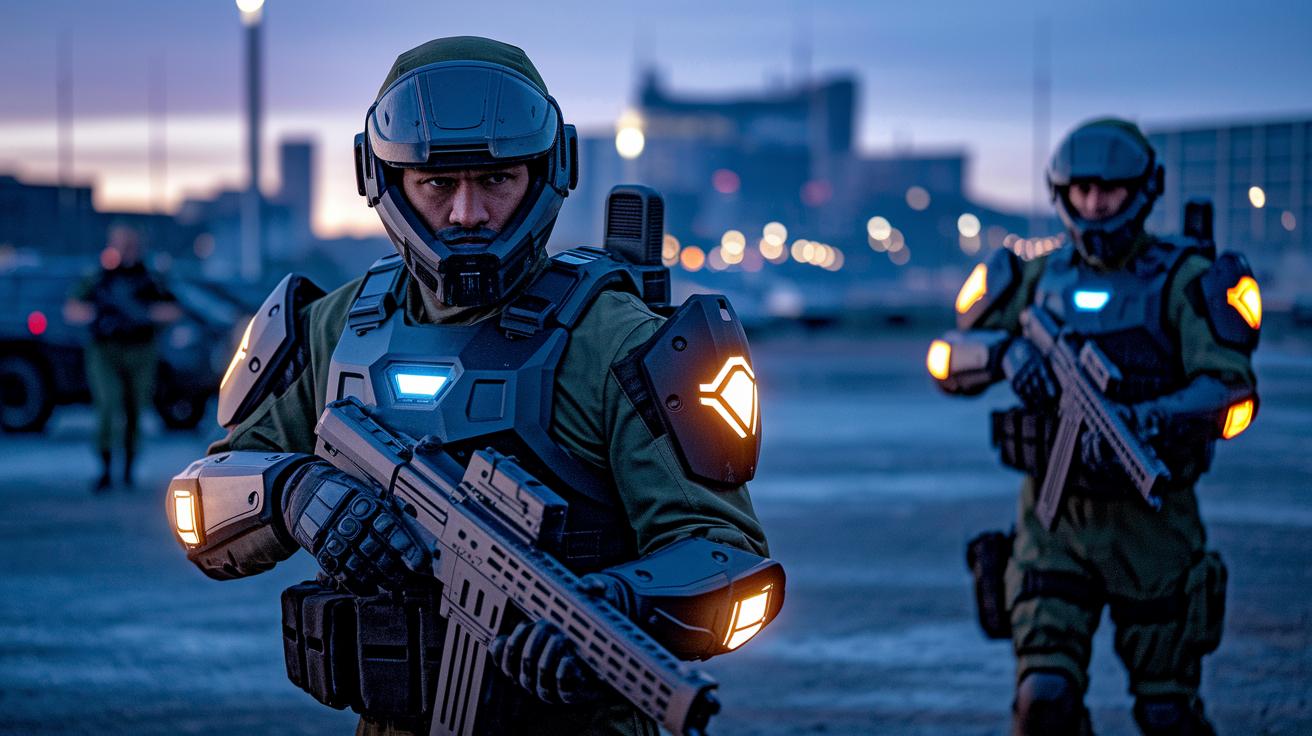
Scientists are now exploring smarter ways to protect soldiers on the battlefield. They are moving away from old-style heavy armor to advanced gear that adapts with the situation. Early tests point to exciting possibilities that could change everything.
Researchers are mixing artificial intelligence and deep learning (tech where computers learn from data) into combat clothing. Imagine sensors that learn with every encounter and adjust the armor’s settings on their own during a mission. It’s like having a suit that updates its defense in real-time. Cool, huh?
There’s also a big push to create flexible, bullet-proof materials that are both strong and light. Scientists are refining their methods to produce new composites that are easier to make without breaking the bank. At the same time, they are inventing digital camouflage fabrics that change color to blend into different surroundings.
Upcoming events like the 5th Joint Fires Summit, Enforce Tac, LAAD Security, POLSECURE, and MSPO in 2026 will shine a light on these breakthroughs. They offer a great chance for experts to share ideas, test prototypes, and gather feedback on new military armor designs. This collaboration could lead us into a new era of battlefield protection.
Final Words
In the action, this post traced the transformation of protective gear from hard steel designs to advanced soft armor systems. It reviewed key features like flexible ceramic-composite plates and integrated sensor modules, to smart defense suits and exoskeleton hybrids that lessen soldier strain. The discussion also tackled mobility challenges and pointed to cutting-edge research shaping future tech trends. Each section builds on our understanding of futuristic military body armor, making it easier to see how technology can safeguard those on the front lines. Stay positive as innovation continues to improve battlefield protection.
FAQ
What does futuristic military body armor discussion on Reddit cover?
The Reddit discussion centers on design innovations, performance insights, and user opinions about advanced protective gear used by military forces.
Where can you find futuristic military body armor for sale?
You can discover futuristic military body armor for sale through specialized online outlets and military surplus vendors offering next-generation battlefield protection.
What do futuristic armor suits and concept art represent?
Futuristic armor suits and related concept art represent imaginative designs for next-gen body armor that blend modern technology with sleek aesthetics for enhanced soldier safety.
What distinguishes Armored Republic body armor?
Armored Republic body armor is recognized for its quality, combining robust materials and innovative design to meet strict military-grade protection standards.
What defines Level 4 body armor and its plates?
Level 4 body armor and its plates offer high-level ballistic protection, using advanced materials and design features meant to defend against severe threats in combat environments.
What is Body Armor drink?
Body Armor drink is a sports beverage formulated with electrolytes and vitamins to help with hydration and recovery, unrelated to personal protective gear.
What is the most advanced body armor in the military?
The most advanced military body armor integrates IoT-enabled sensors, flexible materials, and AI threat detection to offer enhanced real-time protection on the battlefield.
Is AR500 armor legal to own?
AR500 armor is generally legal to own in many regions, though local laws and state regulations should be reviewed to verify compliance.
Can civilians own a molle vest?
Civilians can typically own a molle vest, as these utility vests are available for public sale; checking local regulations is advised for accurate guidance.
Is Level 4 armor illegal?
Level 4 armor is legal for civilian ownership in most areas, provided that buyers adhere to any applicable local laws or restrictions on ballistic protection gear.