

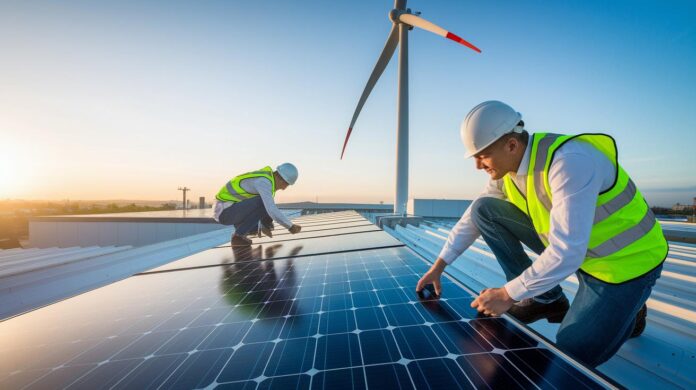

Ever wonder if green tech can really change your everyday life? Many people are asking if simple, smart updates can help us use energy better while cutting down on waste. Imagine replacing an old, energy-guzzling system with one that runs cleanly and efficiently. Green tech is shaking up how we produce, store, and use energy by rethinking even the way things are built. Next, we explore how solar, wind, and other renewable power sources not only lower costs but also shrink our carbon footprints. Even small changes like these can add up to a big leap toward a greener world.
Comprehensive Overview of Green Tech Innovation
Green tech innovation means using clever ideas, smart gadgets, and practical fixes to help our planet. It’s all about rethinking how we create and use energy while cutting down on waste. Think of it like swapping an old, inefficient machine for a modern, energy-smart one, small changes that make everyday life gentler on nature.
- Renewable energy: Power from natural sources like the sun, wind, or water.
- Storage solutions: Keeping extra energy safe for when you need it.
- Sustainable manufacturing: Making products with less waste and fewer emissions.
- Infrastructure: Creating smarter systems, such as energy-efficient buildings and transport.
- Circular economy: Reusing and recycling materials to cut down on waste.
Lately, the clean tech market has been growing fast. More investments are pouring into green projects, sparking breakthroughs in solar and wind power as well as smart energy storage. Big companies and local governments are testing new ideas that not only lower costs but also shrink carbon footprints. These advancements are a big step forward in making eco-friendly practices a regular part of our daily lives.
Solar and Wind Energy Advancements in Green Tech Innovation
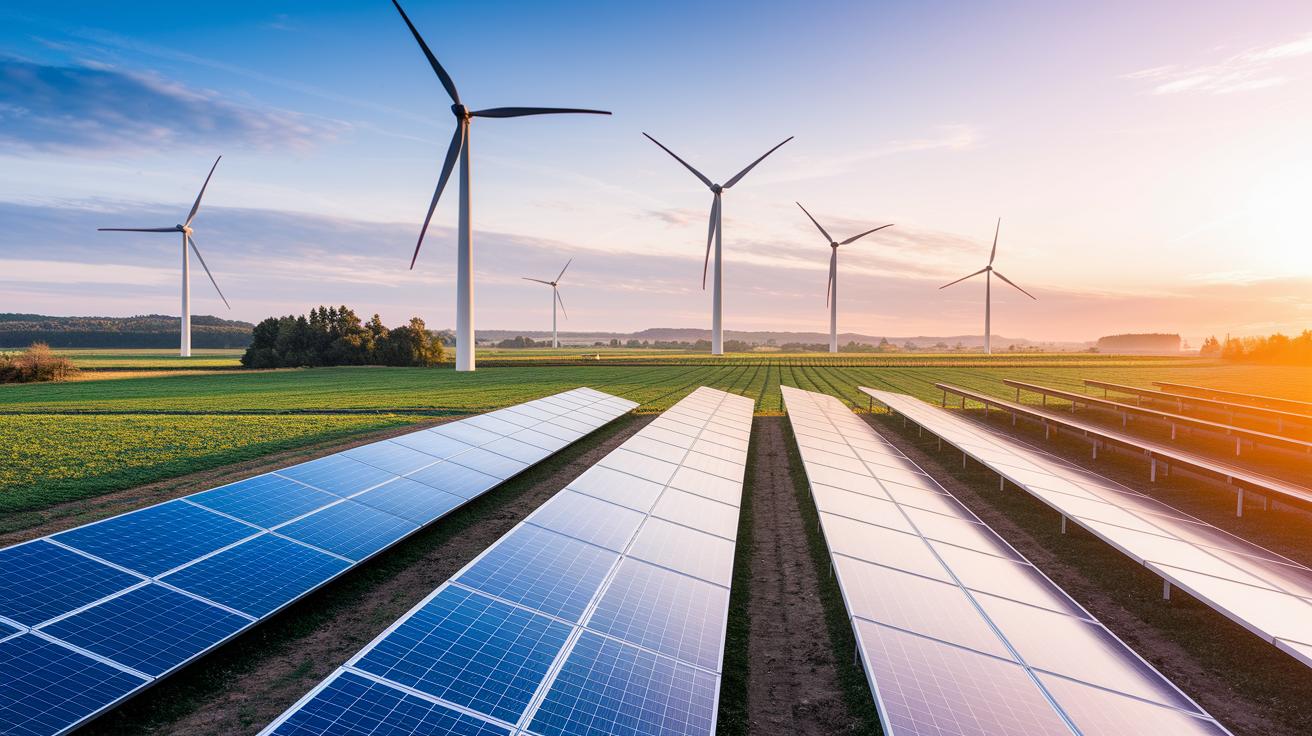
Solar and wind energy help cut carbon emissions and clear the air. They reduce our need for fossil fuels and move us toward cleaner power. New fixes in these fields are making our world greener and our future more sustainable. Picture this: wind turbines spinning with a soft hum while shiny solar panels catch the sun's rays to light up cities. That image shows just how key these innovations are in our fight against climate change.
Solar Innovations
Solar power is getting a big upgrade thanks to fresh tech developments. New types of solar cells now soak up extra sunlight and turn it into energy faster. Researchers are also working on perovskite (a material that might beat silicon panels) to create lighter and less expensive cells. Another cool change is in concentrated solar power systems, where mirrors or lenses focus sunlight into a small spot to create high heat for power production. Just think, with these advances, solar panels are becoming much better at powering large areas.
Wind Innovations
Wind energy is making impressive strides too, especially with new turbine designs. Off the coast, larger turbines are now built to capture more wind in the steadier sea breezes. Floating turbine farms allow us to tap into winds in deeper waters where it blows more steadily. On top of that, new blade materials make turbines lighter and tougher, helping them work longer and capture more wind. Imagine engineers crafting blades that flutter like a bird's wings, catching every bit of wind energy available.
Together, these solar and wind breakthroughs are paving the way for a cleaner, more reliable energy future with less dependence on fossil fuels.
Advances in Energy Storage and Smart Grids within Green Tech Innovation
Renewable energy can be a bit unpredictable, when the sun dips or the wind dies down, you need a backup plan. That’s where energy storage steps in. These systems save extra power when nature gives more and then release it later, keeping our lights on without a hitch. They even help smart grids manage electricity better by balancing energy flow and avoiding outages. Imagine storing excess solar or wind power and then handing it out when needed. This steady integration of storage makes sure our clean energy keeps running our homes and businesses every day.
Smart grids are changing the way we handle power in our communities. They use real-time sensors and smart software (tools that read information from various energy sources) to adjust power distribution on the fly. Think of it as an automatic traffic controller for electricity, directing energy exactly where it’s needed most. And as more renewable sources join the mix, these grids help smooth out unpredictable energy and encourage more efficient use. This close connection between energy sources and smart grids makes our power networks both nimble and reliable.
| Storage Technology | Typical Capacity (MW) | Key Application |
|---|---|---|
| Lithium-ion | 50 | Short-term buffering |
| Flow Batteries | 75 | Grid balancing |
| Pumped Hydro | 200 | Large-scale storage |
| Thermal Storage | 30 | Heat regulation |
| Compressed Air | 100 | Energy conversion |
Next, next-generation batteries work hand in hand with advanced grid systems to build a strong energy network. New battery types, like solid-state ones, keep power longer and help systems bounce back quickly after busy periods. These advances strengthen the link between storage and grid control, so even if renewable outputs change, we still have a stable supply. By pairing smart grid technology with state-of-the-art batteries, our energy systems become more resilient and ready to tackle the renewable challenges ahead.
Green Building and Sustainable Infrastructure Innovations in Green Tech Innovation
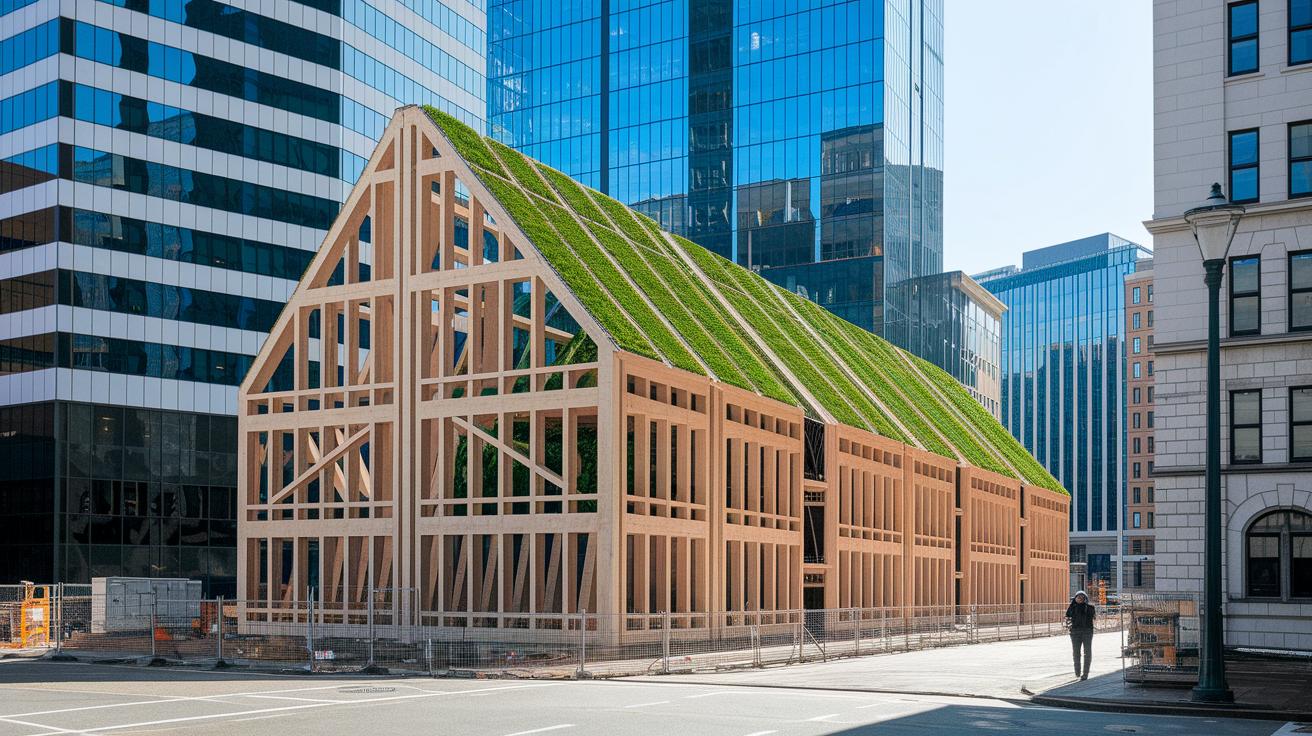
Eco-friendly materials like mass timber and low-carbon concrete are changing how buildings are made. They slash carbon emissions, cut waste, and lower energy use during production. Plus, these materials feel warm and natural, adding a unique charm to a building. Often, they can be found nearby and need less energy to produce than old-style materials. This shift is sparking new ideas among architects and builders who want to design spaces that naturally blend with the world around them.
Climate-smart infrastructure is a big leap forward for greener cities. Green roofs naturally keep buildings cooler and cut down on heating and cooling needs. Permeable pavements let rain soak into the ground, easing the strain on stormwater systems. Smart water systems, fitted with real-time sensors, track water use, spot leaks early, and manage water smartly. These smart solutions mix thoughtful design with digital tools to make urban areas more resilient and mindful of resources. The result is city life that stays cooler in summer, faces fewer floods, and plans for a healthier environment in the long run.
Net-zero buildings are testing new ways to save energy. They mix on-site battery storage with digital systems that manage energy use. By capturing extra renewable energy and smartly sharing power, these buildings don’t rely much on outside power sources. For example, an office in Portland paired next-generation batteries with smart controls. This combo saved energy and cut costs. Such projects set the stage for future developments that lessen their carbon footprint while boosting efficiency. These ideas aren’t just innovative, they show a real path to a greener future for every city.
Industrial and Circular Innovations: Carbon Capture, Circular Economy, and Low-Carbon Processes within Green Tech Innovation
Industries are getting creative with new ways to cut harmful emissions. Many factories now use techniques like direct air capture, where huge machines pull carbon (a harmful gas) straight from the air, or solvent absorption, where special chemicals grab carbon from exhaust gases. These smart methods help clean the air before bad gases can spread. Think of it as a giant air filter working hard to keep our skies clear.
Carbon Capture Technologies
Direct air capture is a big part of this change. These systems use strong fans and filters to pull in air and lock away carbon, much like an air purifier clears dust from a room. There’s also a method called mineralization, which turns the captured carbon into solid materials, imagine turning invisible gas into tiny rocks you can see and hold. This way, carbon is not just removed from the air; it’s safely stored away for a long time.
Circular Economy Models
A circular economy is all about getting the most from every material. Instead of tossing things out, companies now recycle and reuse them. Advanced recycling processes gather useful bits from what would usually end up as trash, easing the pressure on natural resources. Closed-loop systems keep products in use by turning old parts into new ones. Picture old machine pieces being reborn as fresh components. This smart reusing saves energy and raw materials.
New, low-carbon industrial practices are also coming in strong. They aim to cut energy use while boosting how well factories work. Some plants are embracing zero-waste manufacturing, turning leftovers into ingredients for new products. This approach not only makes operations smoother but also helps our planet breathe easier and keeps our resources safe for the future.
Future Prospects and Investment Trends in Green Tech Innovation
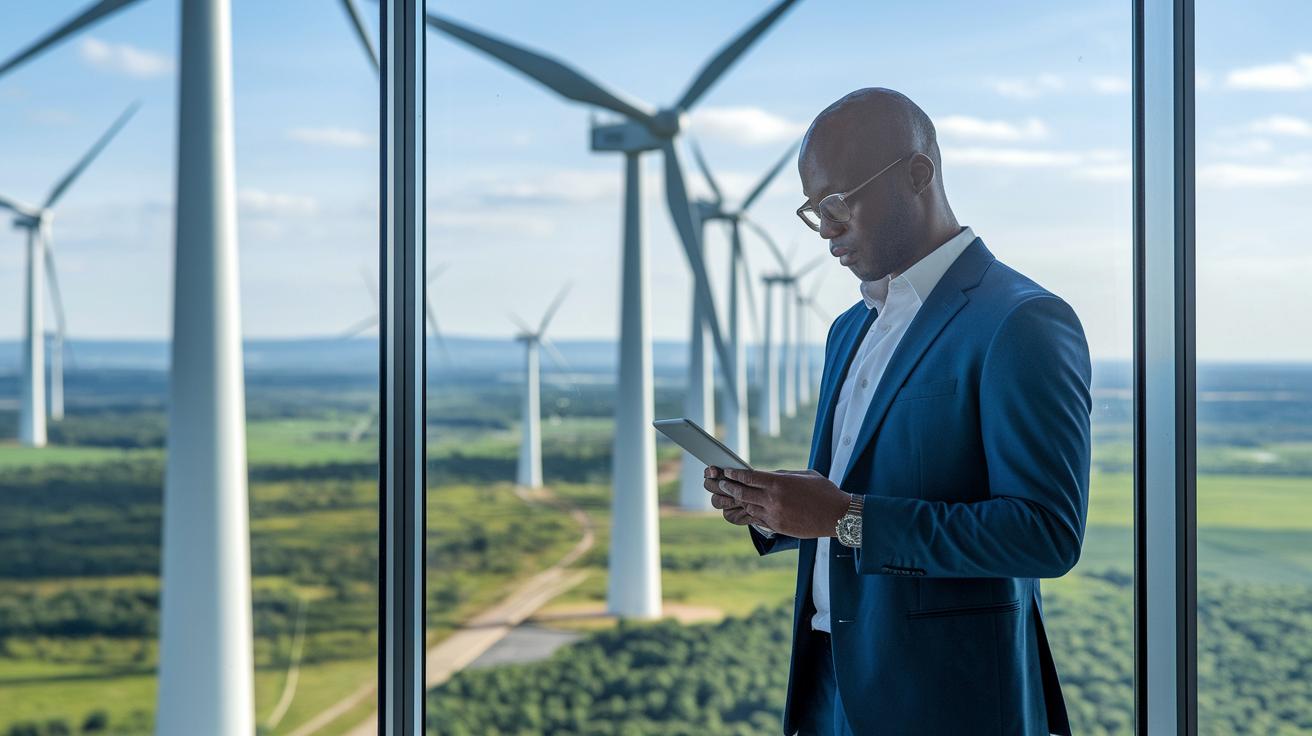
Venture capital and government programs are giving the clean tech market a real boost. Private investors are putting money into projects that cut carbon emissions and help build sustainable systems like renewable energy storage and smarter power grids. In recent years, more funding has flowed into eco-friendly breakthroughs as companies see the long-term perks of clean tech projects. With fresh support schemes and attractive tax breaks, both public and private sectors are pouring resources into next-generation batteries and other innovative solutions. Data shows that investing in clean energy not only helps the market grow but also sets the stage for smart, connected systems in our communities.
Recent policy changes and teamwork across different fields are paving the way for renewable energy prospects ahead. Four trends stand out: using AI (smart computer programs) to run systems more efficiently, blending several renewable energy sources in hybrid grids, promoting sustainable transportation, and employing digital tools to track resource use in real time. At the same time, upgrades in climate-friendly infrastructure and smart carbon capture ideas keep drawing funds, while new low-carbon processes and zero waste methods make operations more efficient. These shifts are catching the eye of both entrepreneurs and governments. Upcoming green-tech events and emerging research centers are planning sessions to shine a light on these trends, inspiring new partnerships and funding chances. Investors and innovators are excited about a future where working together makes our environment cleaner and more resilient.
Final Words
In the action, we explored green tech innovation aimed at reducing environmental impacts. The post broke down five major areas, renewable energy, storage solutions, sustainable manufacturing, infrastructure, and circular economy. It showcased solar and wind energy updates that boost clean energy efforts, detailed the role of smart grids and next-generation batteries, and highlighted green building upgrades alongside industrial solutions like carbon capture. Investment trends and future growth promise more exciting tech that drives smart, eco-friendly choices. These insights leave us feeling optimistic about green tech innovation.
FAQ
What is green tech innovation?
The green tech innovation means using new ideas and methods to lower our environmental impact. It focuses on cleaner energy, improved processes, and sustainable practices that protect our planet.
What are the main categories of green tech innovation?
The main categories include renewable energy, storage solutions, sustainable manufacturing, improved infrastructure, and circular economy practices. Each area helps reduce harm to the environment.
How do solar and wind energy systems contribute to green tech innovation?
The solar and wind energy systems contribute by boosting energy output with better panels and turbines. They support decarbonization by lowering pollution and advancing clean energy benefits.
How do energy storage solutions and smart grids support renewable energy goals?
The energy storage and smart grids support these goals by keeping power levels stable. They store excess energy and distribute it when needed, making renewable energy more reliable.
How do building and industrial innovations drive green tech progress?
The building and industrial innovations drive progress using low-carbon materials and smarter processes like carbon capture and advanced recycling. These efforts help reduce waste and improve energy efficiency.