



Ever wonder why your phone seems so alive when you touch it? Haptic technology turns digital signals into small taps and buzzes, making each swipe or tap feel friendly and lively. It feels like your device is giving you a little nudge every time you use it. In this post, we break down how these tiny motors add real feedback that makes your gadgets smoother and more fun to use. Stick with us to see how tech adds a tangible feel to our digital world.
How Haptic Technology in Consumer Gadgets Works
Haptics comes from a Greek word that means "to touch." In simple terms, this tech turns digital signals into little taps or vibrations that you feel on your screen or buttons. It’s like your phone saying, “Got it!” with a tiny buzz when you tap a command.
Haptic systems are all about quick and steady feedback. They use small motors to create two types of touch signals. One gives you a short, sharp tap for alerts. The other builds up into a longer, steady buzz when you scroll or navigate. Sometimes, they even mix both styles for a cool, dynamic feel.
- Transient bursts – Quick taps that work well for alerts, like a brief tap when a message sends.
- Continuous vibrations – A longer buzz that helps guide you through menus, much like a soft pulse while you scroll.
- Hybrid feedback modes – A mix of both styles to give you the best of both worlds in one go.
This gentle feedback makes using your devices smoother. It confirms every action you take, helping you stay on track and feel confident with every tap.
Evolution of Haptic Technology in Consumer Gadgets

Back in the 1970s, haptic technology made its debut in aircraft controls. Pilots got gentle physical cues, small vibrations or nudges, to know their actions were registered. It was a clever trick that paved the way for richer, more engaging feedback in later gadgets.
Then, in the 1990s, things changed fast for gamers. Gaming consoles and controllers started using haptic signals, so playing meant feeling a light tap when firing a weapon or a steady buzz during a big in-game moment. Imagine your controller reacting every time you made a move, it really connected your digital actions to your hands.
Soon after, Apple raised the bar with its Taptic Engine, launched in the Apple Watch (2014) and iPhone 6s (2015). This new setup swapped out the old coin motors for smart actuators (small motors that can vary their vibration). The result? A subtle buzz when you tap the screen, making every interaction feel quick and natural.
Today, haptic technology is even more advanced. Thanks to smarter mini motors and design tweaks, modern gadgets deliver precise, varied touch feedback that makes every use feel delightful.
Haptic Technology in Consumer Gadgets Sparks Joy
Haptic technology is changing how our gadgets feel. Instead of a plain buzz, your device now gives you little taps or pulses that you can actually feel. It’s like your phone or watch is saying, "Hey, I got you!"
Smartphones now respond fast when you tap, swipe, or get a notification. Wearable devices use tiny buzzers (piezoelectric actuators, which create small vibrations) to give you neat, gentle alerts. In gaming, these vibrations mimic real-life bumps or jumps, making play feel more real. Car dashboards even use a soft pulse to help drivers sense changes without taking their eyes off the road. And for those who need extra help, these touches work hand in hand with sounds and visuals.
Then there’s the cool tech in AR and VR. New devices mix clever touches with immersive images. Imagine stepping into a virtual world where you can feel the texture of a soft fabric or the rugged feel of rocky terrain. It makes every moment exciting and real. Check out Virtual reality digital trends for more on how these playful touches are shaping our future.
Technical Components and Innovations in Haptic Technology
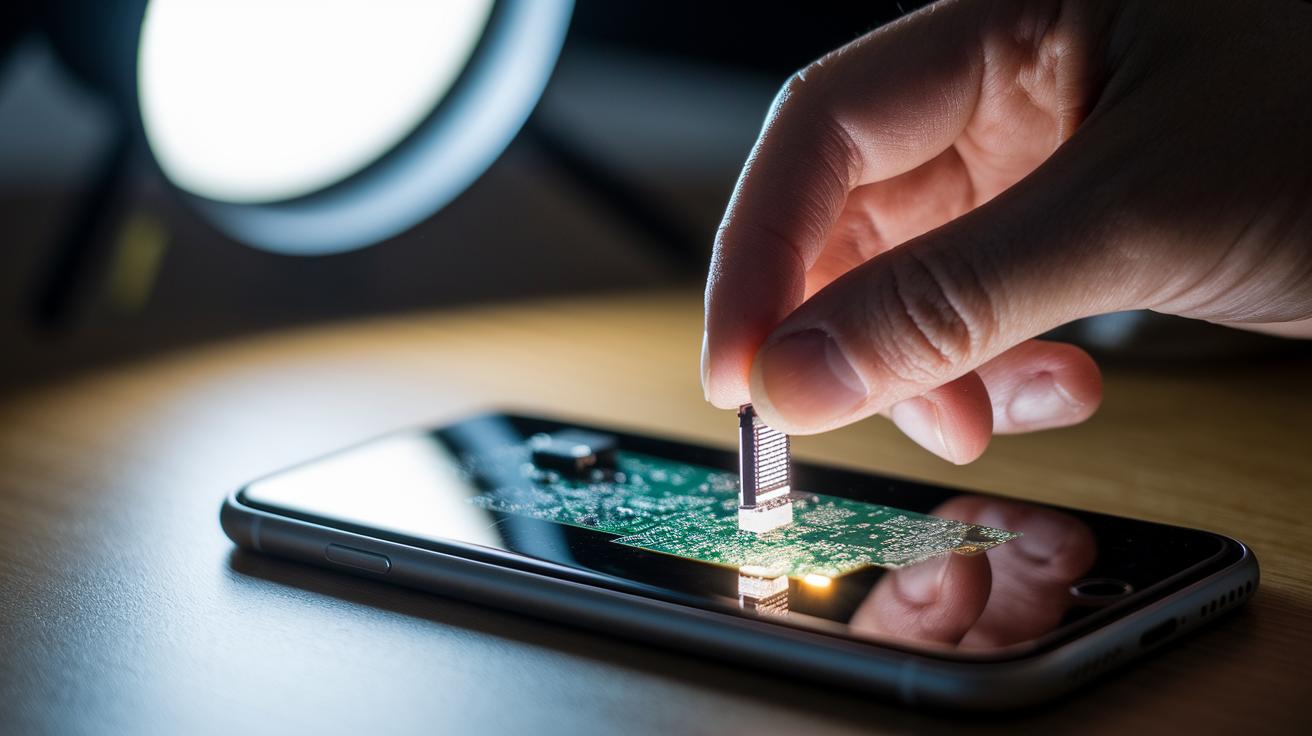
Modern gadgets now use small force devices and smart sensors that turn digital signals into touchable sensations. Piezoelectric parts (using crystals to create movement) work with precise sensors to listen to your touch and send clear, well-timed vibrations. These low-power piezo chips, like BOS1921 and BOS1901, come with easy-to-use development kits that help designers add them to phones, car controls, and other consumer devices. Plus, BOM calculators for BOS1921, BOS1901, and BOS1211 make design work a breeze.
| Model | Type | Application |
|---|---|---|
| BOS1921 | Piezo Driver | Consumer Gadgets, Automotive, Mobile |
| BOS1931 | Piezo Driver | Consumer Gadgets |
| BOS0614 | Piezo Driver | Consumer Gadgets |
| BOS1211 | Piezo Driver | Consumer Gadgets, Automotive |
| BOS1901 | Piezo Driver | Consumer Gadgets, Automotive, Mobile |
New innovations in material and actuator design mean even the smallest modules now have unmatched control. Engineers have made parts tinier without giving up performance, resulting in designs that pack both power and precision. Every tactile pulse is controlled and intentional, so whether in a wearable device or a mobile phone, users enjoy smooth, immersive touch feedback that makes every interaction feel special.
Market Trends and Future Outlook for Haptic Technology in Consumer Gadgets
The global haptic interface market was worth USD 2.1 billion in 2022, and experts expect it to jump to USD 16 billion by 2032. This means we’re seeing a big, fast-growing love for tech that lets you feel what you’re touching. Manufacturers are working hard to build better systems so each tap or swipe feels clear and real.
Looking ahead, there are some exciting new ways to use haptic feedback. For example, AR/VR immersive feedback makes virtual worlds feel more lifelike with realistic touches. Think of thermal sensations like small temperature changes that boost the experience. And in healthcare, gentle vibrations are being used for things like monitoring or therapy.
Sure, there are challenges. High costs and fitting these systems into tiny devices are real concerns. Designers are tackling these issues with smarter control measures to keep the experience balanced and avoid overwhelming your senses. With steady improvements in materials and how these actuators (tiny parts that vibrate) work, haptic technology is set to become a trusted part of everyday digital life.
Final Words
In the action, our article explored how haptic technology in consumer gadgets works, from the basics of tactile feedback to the innovative components that drive more lifelike interactions. We broke down the two main types of vibrations and highlighted key applications in smartphones, gaming devices, and cars.
The discussion also pointed out market trends and future tech advances. With every touch, haptic technology in consumer gadgets continues to make digital interactions more engaging and real.
FAQ
What is haptic technology in consumer gadgets?
The haptic technology in consumer gadgets refers to how devices create physical touch responses (vibrations and pulses) to boost interaction, making digital alerts feel more natural.
What are some examples of haptic technology in consumer gadgets?
The haptic technology examples in consumer devices include smartphones with vibration alerts, gaming controllers offering impact feedback, and wearable devices sending gentle pulses, all designed to improve user engagement.
What are the advantages and disadvantages of haptic technology?
The haptic technology advantages include improved interface responsiveness and a more immersive experience, while disadvantages involve increased device complexity and the risk of users becoming less attentive to repeated sensations.
What was the state of haptic technology in consumer gadgets in 2022?
The haptic technology in consumer gadgets in 2022 showed steady growth with its integration in smartphones, cars, and wearables, delivering precise feedback that made interactions more intuitive.
What types of haptic technology exist?
The types of haptic technology include transient (brief bursts for alerts) and sustained (continuous vibrations for ongoing feedback), with some advanced systems used in specialized wearable devices.
How is haptic technology used in the medical field?
The haptic technology in the medical field improves surgical tools and training simulations by providing realistic touch feedback, which helps practitioners refine their skills and increases precision during procedures.
Which companies are leading in haptic technology development?
Haptic technology companies are innovators in mobile devices and wearables, creating advanced components that deliver precise tactile responses and contribute to a better overall user experience.