

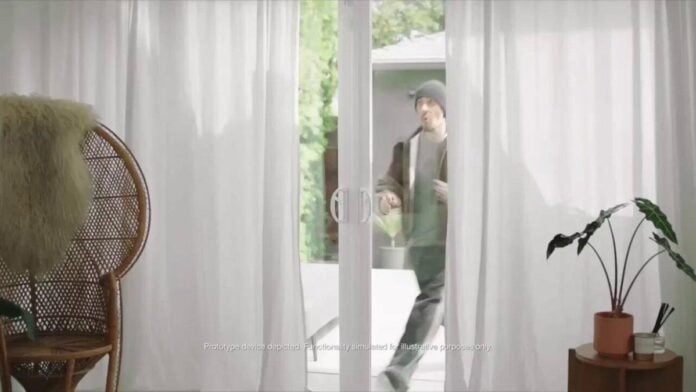

Two very different home curiosities landed together at the tail end of a gadget round-up: Amazon's Ring Always Home Cam and Hakushi Katai's PixLens. One is pragmatic — a tiny indoor drone that only springs to life when smart sensors detect a possible break-in and the home is empty, promising targeted surveillance without constant recording. The other is playful — a glass cube that optically reduces resolution, turning everyday views into elegant pixel art. Together they show how contemporary home gear is split between practical security innovations and creative objects that reshape perception and aesthetic experience.
Amazon's Security Drone: Ring Always Home Cam
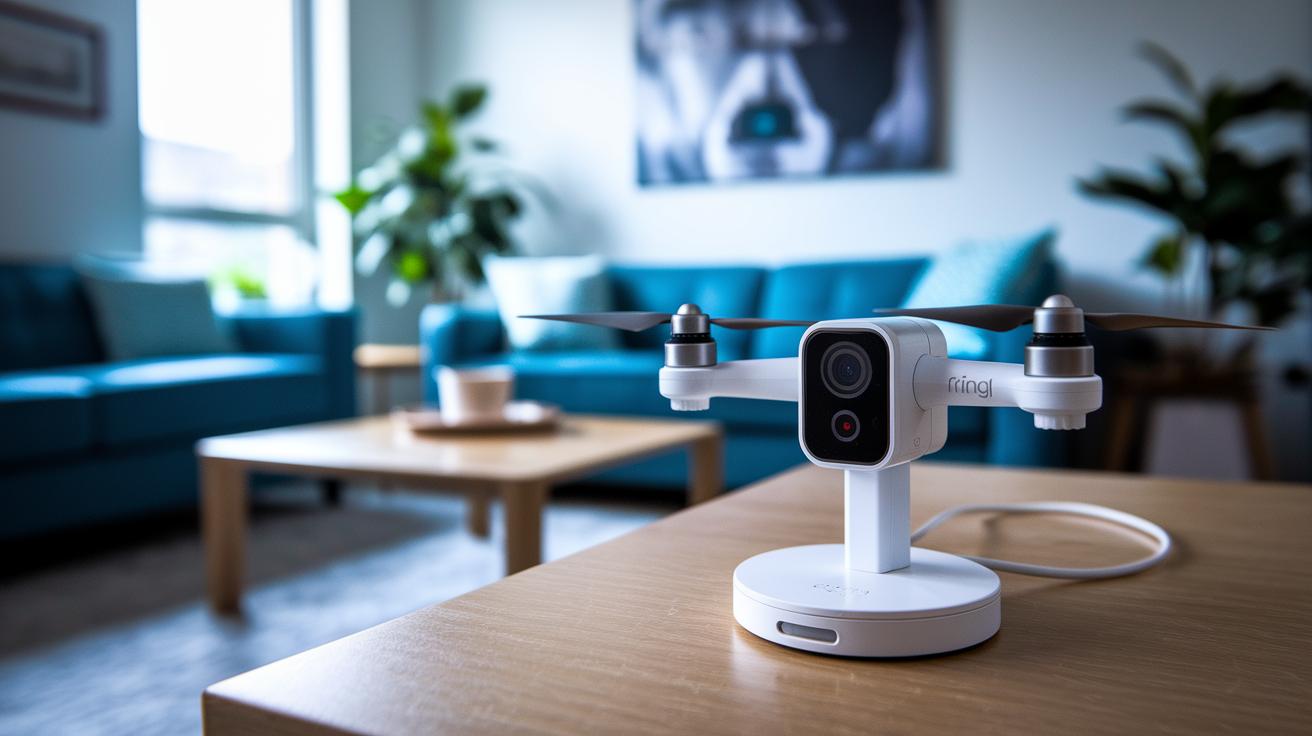
Amazon's Ring Always Home Cam is a compact indoor drone designed to respond only to smart home triggers: when Ring door/window sensors or motion detectors flag an event and the system shows no registered occupants at home, the cam takes flight. Privacy is the headline feature , it stays docked unless activated, follows pre-mapped patrol routes to check blind spots, and streams footage to the Ring app so owners can verify alarms before escalating. It complements fixed cameras rather than replaces them, giving mobile, on-demand coverage for rooms that static cameras miss while aiming to avoid constant, invasive monitoring.
PixLens: Hakushi Katai's Glass Cube That Turns Reality into Pixel Art

Japanese designer Hakushi Katai's PixLens is a sculptural glass cube that lowers the resolution of everything seen through it, rendering surroundings as soft, blocky pixels. Rather than a digital filter, PixLens uses clever optics to simplify and abstract shapes, colors, and motion into a retro, videogame-like aesthetic. Place it on a desk, hold it up to a window or camera lens, and everyday scenes transform into contemplative, low-res tableaux , a playful meditation on how we perceive detail. Beyond novelty, it's a tool for photographers, designers and anyone who wants to reframe ordinary views into striking, minimalist compositions.