

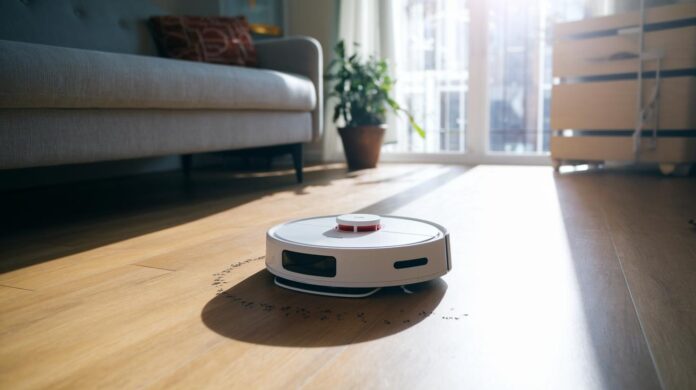

Have you ever thought about how a robot vacuum could make cleaning easier for you? Imagine a small helper that zooms around your home, picking up dirt and pet hair while you kick back and relax.
We checked out some models that feel super powerful. They have strong suction, run for a long time on a single charge, and even have big dust bins to catch all the mess. Our hands-on tests and honest reviews show which ones really work well.
So, get ready to see how these smart gadgets can take the stress out of your daily cleaning routine.
Top-Rated Robot Vacuum Reviews for 2024
We looked at the best robot vacuums by focusing on three main features. First, we checked how well they pick up dirt (and even pet hair). Next, we examined how long they run on one full charge. And finally, we considered the size of their dust bin to help you avoid frequent stops. We dug into real-world performance data and genuine user feedback to bring you our handpicked top choices for 2024.
If you're curious about more cool tech finds, check out cool tech gadgets.
| Model | Suction Power (Pa) | Runtime (min) | Bin Capacity (L) | Key Feature |
|---|---|---|---|---|
| iRobot Roomba s9+ | 40% more suction vs. previous model | 120 | 0.5 | Clean Base self-emptying |
| Roborock S7 | 2500 | 180 | 0.47 | Sonic mopping |
| Eufy RoboVac 11S | 1300 | 100 | 0.6 | Low noise at 55 dB |
| Neato D8 | 2000 | 90 | 0.7 | D-shape for corner cleaning |
| Shark IQ R101AE | 1600 | 80 | 0.47 | Self-empty base |
Each model made the cut by mixing solid suction power with long runtimes and the perfect dust bin size. They also offer neat, innovative features that help handle everyday cleaning tasks in many homes. In truth, these vacuums are designed to give you a dependable clean when you need it the most.
Essential Features in Robot Vacuum Reviews

Specs tell you a lot about how a robot vacuum will work on your floors, whether they're hard tiles or soft carpets. They also help you decide which model fits your home and routines best.
- Suction Power: Vacuums usually offer between 1300 Pa and 2500 Pa. In simple terms, higher suction means it can grab dirt and pet hair more easily, especially on thick carpets.
- Battery Life: Most models run for 80 to 180 minutes on a full charge. That gives you plenty of time to clean large spaces without having to stop and recharge.
- Navigation & Mapping: Some vacuums rely on LiDAR (a tech that maps your room quickly), while others use cameras or infrared sensors to plan their cleaning paths. This helps them navigate around furniture without missing a spot.
- Bin Capacity & Self-Emptying: Typically, the dust bin holds between 0.4 and 0.7 liters. A few models even come with self-emptying bases that can hold debris for weeks, so you skip frequent clean-ups.
- App & Voice Controls: Many models let you set schedules and even clean specific zones using a smartphone app. They often work with voice assistants like Alexa or Google, making it super easy to start a cleaning session.
- Mopping Capability: Some robot vacuums also offer mopping. This means you can get both vacuuming and mopping done without switching devices.
Your ideal robot vacuum depends on your space and habits. If you have a large home, you might want one with a long battery life and smart mapping. But if your place is smaller, a model with basic suction and a compact design could be just right.
Robot Vacuum Reviews: Stellar Results
iRobot does a fantastic job with powerful suction and a self-emptying base that feels premium. It runs between $799 and $999, making it a great pick if you're after advanced cleaning tech with lasting performance. If you have pets or a lot of space, this vacuum easily tackles stubborn dirt and thick pet hair. Imagine a pet owner who needs help keeping the house spotless every day.
Roborock makes cleaning a breeze with strong mopping and a five-level suction system. It costs between $649 and $749, so you get a mix of vacuuming and mopping all in one. Perfect for households that love a two-in-one cleaning approach, it’s ideal for busy families who need versatility without extra fuss.
Eufy is the budget-friendly choice, offering quiet operation at just 55 decibels. With prices ranging from $219 to $299, it shines in smaller spaces like apartments or offices where noise matters. It’s a reliable option if you want efficient cleaning without a steep price tag.
Neato stands out with a unique D-shaped design and LaserSmart mapping (a smart way for the vacuum to see its surroundings). With costs from $499 to $599, it carefully cleans every corner, making it great for homes with tricky layouts that need a little extra attention.
Shark offers a smart cleaning experience with well-planned mapping and an optional self-empty dock. Priced between $299 and $379, it blends affordability with clever features, making it a solid choice for anyone wanting dependable, smart cleaning.
Robot Vacuum Performance: Suction, Battery, and Noise Levels

When cleaning your floors, strong suction really makes a difference by sucking up tough dirt and pet hair. The Roborock S7 packs a powerful 2500 Pa (a measure of suction strength) that works great on thick carpets and clumps of pet hair. Even a budget-friendly option like the Eufy 11S offers a solid 1300 Pa, which is enough for hard floors and lighter messes. Ever notice how some hair still sticks around after vacuuming? A boost in suction might just be the game-changer you need.
Battery life also matters when covering larger spaces. The Roborock S7 runs for 180 minutes, so it can clean big areas without needing to recharge. In contrast, the Shark IQ lasts around 80 minutes, which works well for smaller homes or quick touch-ups. With more battery life, you get fewer stops and a more consistent clean.
Noise levels affect your comfort too. Most robot vacuums run at about 50 to 65 decibels, keeping the noise low while they work. Some high-end models even offer a Quiet mode that brings the sound down to around 45 decibels, ideal for bedrooms or peaceful spaces.
Assessing Value: Price vs. Features in Robot Vacuum Reviews
When you compare robot vacuums, it’s smart to weigh the price against the features. There are models that are easy on your wallet with simple functions, and there are high-end ones packed with the latest tech.
For example, basic models cost around $219 to $299. They have simple navigation, 1300 Pa suction (a measure of cleaning power), and a 100-minute runtime. These are great for small spaces and light cleaning, acting as a reliable, everyday helper.
Mid-range vacuums come in between $499 and $649. They offer better mapping for more efficient cleaning and increased suction of up to 2000 Pa. Many of these models can empty themselves, so you won’t need to clean them as often, making them suitable for homes that are a bit larger.
Then there are premium vacuums priced from $749 to $999. They deliver a powerful 2500 Pa suction, can mop with sonic technology (a high-tech cleaning method), and run for up to 180 minutes. They even have a self-emptying base to take care of the debris, perfect for busy or larger homes.
Choose the model that best fits your space and cleaning habits. Investing in the right vacuum now means you’ll enjoy a dependable cleaning partner for years to come.
Robot Vacuum Maintenance Tips from Top Reviews

Keeping your cleaning robot in great shape is essential for its smooth performance and long life. Regular care means it can keep picking up dirt and dust without skipping a beat.
Cleaning Brushes and Rollers
Your robot’s brushes and rollers can get tangled with hair every couple of weeks. Using the tool provided to untangle them helps clear out debris and stops clogs before they slow down cleaning. I recommend giving these parts a quick clean each week so that the rollers keep turning easily and the brushes grip dirt well. It’s like giving your robot a little tune-up so it can keep doing its job without any hitches.
Replacing and Cleaning Filters
Filters sometimes need a gentle wash or even a full replacement. For many robot models, a quick rinse once a month helps remove dust. If your vacuum uses HEPA filters (a type of filter that traps tiny particles), swapping them out every 2–3 months keeps the suction looking strong. A fresh filter means cleaner air coming out, which is especially good for those with allergies. And don’t forget to update the firmware in the app every few months, so you can take advantage of new improvements in navigation and cleaning efficiency.
Robot Vacuum FAQs and Expert Answers
Are robot vacuums worth it?
If you live in a busy home or have pets running around, a robot vacuum can really help. Many people say it cuts your vacuuming time by 30% to 50%. That means it takes on the everyday dirt and pet hair so you can focus on other things.
How often should I empty the vacuum bin and maintain filters and brushes?
To keep your vacuum working well, empty the bin after each cleaning session. Plus, giving the filter a quick wash once a month and cleaning the brushes every week helps a lot. A little regular care goes a long way in keeping your gadget running smoothly.
How well do robot vacuums handle pet hair?
Models with strong suction, around 2000 Pa or more, are very good at picking up pet hair, often clearing about 90% during tests. If you choose a mid-range model with less power, it may only remove roughly 75%. So if you have several pets, a model with higher suction might be the way to go.
What about the noise levels?
Many of the top robot vacuums have a Quiet mode that lowers the noise to about 45 dB. That’s roughly as quiet as a soft whisper in a library. This feature is handy, especially if the vacuum runs at night or while you’re working.
Can robot vacuums handle deep-pile carpets?
For thick, deep-pile carpets, a robot with rotating brushes and at least 2000+ Pa suction is best. This combination ensures the vacuum picks up dirt well and leaves fewer carpet fibers behind.
Final Words
In the action, this article broke down top-rated robot vacuum reviews for 2024. We covered everything from suction power and runtime to battery life and maintenance tips, giving a clear picture of what to expect from each model.
The coverage compared brands, performance details, and smart features in a straightforward way. Everyone now has a quick guide to help decide which robot vacuum suits daily needs best. Enjoy exploring these insights and making tech choices confidently!
FAQ
Are robot vacuums worth it for busy households?
The robot vacuum is worth it for busy or pet homes because it cuts down up to 50% of manual cleaning time, letting you focus on other tasks while it cleans regularly.
How often should I maintain a robot vacuum’s bin, filters, and brushes?
The robot vacuum maintenance routine suggests emptying the bin after each run, cleaning brushes weekly, and checking or replacing filters monthly, ensuring optimal performance over time.
How effective are robot vacuums at handling pet hair?
The robot vacuum performs well in pet homes, with high-suction models removing around 90% of dog hair, while mid-range models clear approximately 75%, making them a good choice for reducing hair on floors.
What noise level can I expect from a robot vacuum during operation?
The robot vacuum noise level normally ranges from 50 to 65 dB, though premium models with quiet modes can drop to around 45 dB, similar to the soft hum of a conversation in a quiet room.
How do robot vacuums perform on carpets, especially deep pile types?
The robot vacuum cleans carpets effectively when it has rotating brushes and at least 2000 Pa suction, ensuring it lifts dirt and pet hair from deep-pile surfaces with ease.