

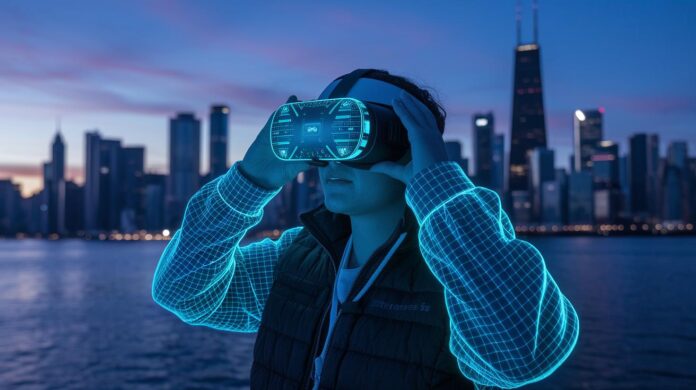

Ever wonder how virtual reality is changing the way we connect and learn? In 2024, VR went from a small experiment to a tool you might see in your school, hospital, factory, or office.
It mixes hands-on experiences with old-school methods, making work and learning feel a bit more fun. And with lively social VR spaces and realistic simulations, VR is growing quickly in both tech and everyday life.
Stick around to see what surprising ways VR will spark more tech growth.
Comprehensive Overview of Virtual Reality Digital Trends
The virtual reality scene took a huge leap in 2024. It shifted from a small experiment to a game-changing tool in education, healthcare, manufacturing, and business teamwork. VR isn’t just stuck in lab experiments anymore, it now brings immersive lessons, hands-on simulations, and interactive experiences that go hand in hand with classic methods.
Companies are getting creative with VR. They use virtual product demos and simulation training to make work and learning more engaging and clear. And social VR? It’s not just about escaping reality; it’s a lively space where folks, from professionals to everyday consumers, connect on shared virtual platforms.
- Social VR
- Enterprise collaboration
- Industry simulations
- Advanced haptics
- AI-powered VR
- Real-time rendering
- Accessibility improvements
Each trend shows how top-notch digital tech is blending into daily life. Enterprise tools smooth out remote work, and detailed industry simulations sharpen training for challenging fields. Meanwhile, advanced haptics add a real-feel touch that makes virtual encounters seem more tangible. AI-powered platforms now serve up personalized VR content, while real-time rendering paints lifelike scenes in a snap. Plus, easier accessibility means more people can jump into these virtual worlds.
These updates match the broader push in digital trends today. VR is weaving itself into our everyday digital interactions, promising a future where immersive tech feels as natural as turning on your screen.
Next-Generation Headsets and VR Hardware Innovations
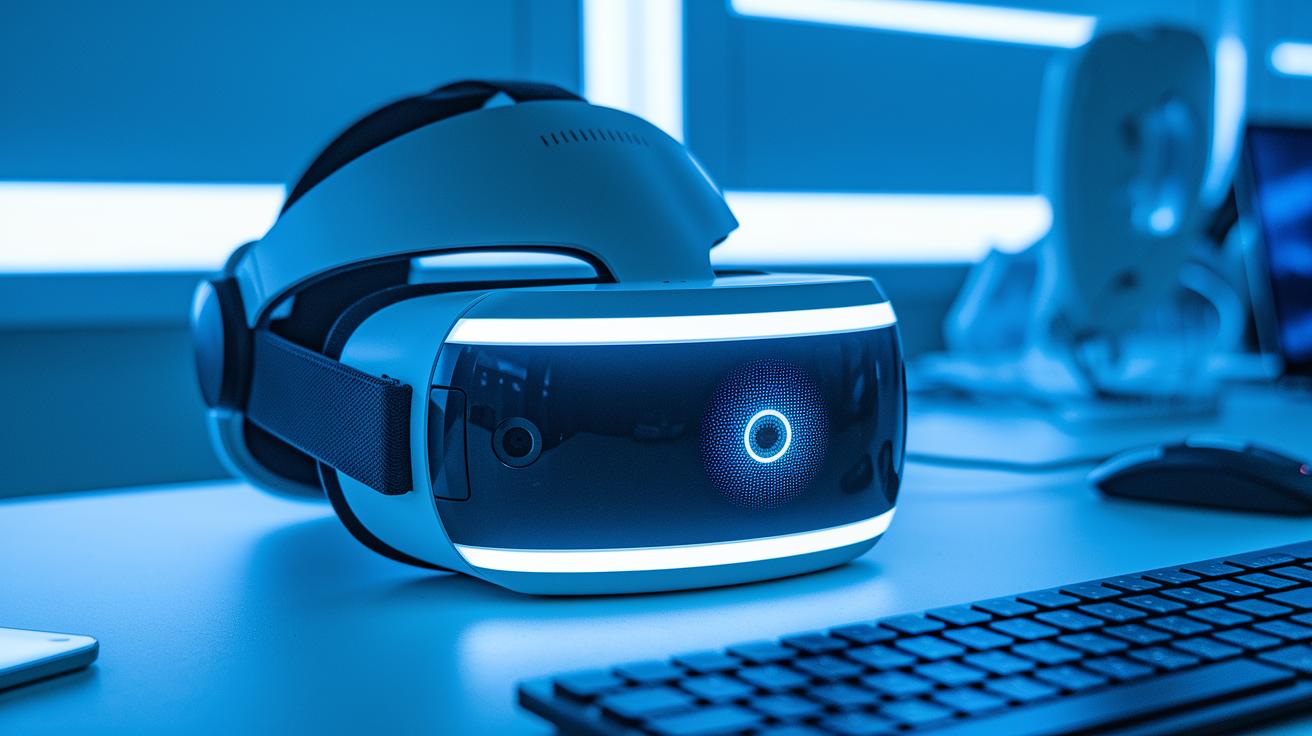
Next-generation VR headsets now sport ultra-high-resolution screens with about 1,700 pixels per inch. These micro-LED panels (tiny light-up screens) make every image look super sharp, so digital graphics and smartglass content really pop. And with real-time rendering (fast processing of images), every virtual scene is full of detail and vibrancy. Plus, user interfaces have gotten a lot more friendly, they let you control your virtual world easily, almost like you’re just chatting with a friend.
Now, check out some cool devices setting new standards. Valve’s Steam Frame headset, powered by Arm chips, brings Android and VR apps together on SteamOS for a solid gaming and work experience. Samsung’s Galaxy XR headset is pushing into markets like the UK, Germany, France, and Canada by 2026, making its presence felt around the globe. And if you love sports, Apple Vision Pro will soon stream live NBA games right in your virtual space. On top of that, Meta Quest 3 links with Windows 11 to offer multi-monitor virtual workspaces that boost productivity. All these breakthroughs show how VR hardware is not just evolving, it’s changing the way we work and play around the world.
VR Software Evolution and Content Creation Tools
ProtoTech Solutions leads the way with robust VR simulations and 3D visualization tools that help businesses refresh their digital space. Modern content tools now come with smart scene makers powered by AI (software that mimics human decision-making) and real-time collaboration features. These innovations are changing how designers, teachers, and marketers build digital worlds.
Imagine a team quickly putting together an immersive training module or an interactive product demo. Digital lessons and design projects now feel almost real. Picture a student on a solar system tour, watching stars and planets update in real time thanks to AI. It’s a vivid example of tech meeting creative vision.
Modern rendering engines make it possible to build environments that look astonishingly real. They boost enterprise simulations and bring stories to life in immersive ways. Interactive 3D toolkits speed up early testing for games and industrial projects, letting developers create virtual spaces like design studios or test labs that feel genuine and detailed.
With these advances, VR content creation becomes a hands-on process where ideas grow fast and interactively. This shift is reshaping how we explore and enjoy digital worlds.
Convergence of Augmented and Mixed Reality in Virtual Reality Digital Trends

The mix of augmented reality (tech that adds digital images to what you see) and mixed reality (tech that blends the digital with the real) is changing how we experience virtual spaces. Companies are working hard to bring digital content into everyday life so it feels like a natural part of our world.
Augmented Reality Integration
Google has joined forces with Magic Leap to boost AR eyewear by improving Android XR (extended reality on Android). This makes digital overlays smoother and more interactive. At the same time, Apple is fine-tuning its new AR glasses to fix software glitches, making controls easier and the overall experience more enjoyable. These steps are building a stronger link between digital visuals and real-life surroundings.
Mixed Reality Breakthroughs
Meta has introduced Mixed Reality Link for Windows 11, which now works with Quest 3/3S headsets to create virtual workspaces that are both flexible and collaborative. Meanwhile, Samsung’s Project Moohan, developed with partners Google and Qualcomm, is set to launch in South Korea on October 22 at a price lower than Vision Pro. Both initiatives point to a future where digital experiences blend work and play through smart, user-friendly tech.
Industry Applications Driving Digital Transformation in Virtual Reality
Schools are now using virtual reality (VR) to create immersive learning experiences. One nearby school transformed a history lesson into a virtual tour of ancient Rome, letting students really feel what life was like in the past.
Hospitals are embracing VR too. They set up simulated patient care scenarios so trainees can practice surgery and other procedures in a safe, digital space. This approach helps lower risks when it comes time for real-life operations.
Manufacturers are tapping into VR by building digital copies of their assembly lines. Engineers check these virtual models for flaws before making any changes in real factories. Teams also use VR to run remote training sessions that mimic actual work environments, sharpening skills for tough tasks. These smart moves are part of the latest digital innovation trends.
Even retailers are getting creative with VR. Some have launched digital showrooms where customers can interact with products in real time. Picture a clothing store with a virtual fitting room that shows the fabric texture and fit right on your screen. One retailer even saw a 30% boost in customer engagement after introducing their VR demo. Meanwhile, staff use VR training to practice realistic customer interactions before stepping on the sales floor.
Market Growth Analysis and Future Forecasts for Virtual Reality Digital Trends

The virtual reality market has grown a lot in recent years. Back in 2020, it was worth about $15.8 billion. By 2024, it bumped up to roughly $28.7 billion. Experts say this trend will continue at about 18% per year until 2028. And when it comes to business uses, like virtual training or social VR experiences, it’s even hotter, growing at nearly 22%. In other words, tools that help people connect or learn in virtual spaces are really pushing things forward.
| Year | Market Size (USD B) | CAGR |
|---|---|---|
| 2020 | 15.8 | – |
| 2024 | 28.7 | 18% |
| 2028 | 54.1 (projected) | 18% |
Looking ahead, one big push for virtual reality is its use in practical settings like immersive training in companies. Many enterprises see these tools as a way to learn and improve, which makes VR even more appealing. Plus, social VR apps are adding cool features that help teams work together better, almost like a digital meeting room where everyone feels connected. All in all, virtual reality isn’t just a high-tech buzzword. It’s quickly becoming a real, everyday tool that can transform many fields, especially as new tech improvements bring more creative uses to life.
Final Words
In the action, the article broke down virtual reality digital trends into clear segments. It touched on market shifts, breakthrough headsets, and evolving software tools that boost immersive experiences. The post also highlighted augmented reality boosts, mixed reality shifts, and diverse industry applications that are shaping digital decision-making. Key insights like rising market numbers and emerging training tools show that VR is quickly moving from niche to mainstream. Exciting tech ahead keeps driving these trends forward, sparking optimism for users and innovators alike.
FAQ
What does the virtual reality future look like?
The virtual reality future shows vast progress across industries. Market stats indicate rapid growth while breakthrough tech transforms education, healthcare, and social interactions with more engaging digital environments.
What is virtual reality?
Virtual reality is an immersive experience created by headsets and software that simulates real or imagined environments for interactive and engaging digital experiences.
What are the state and new developments in virtual reality technology?
The state of virtual reality reflects ongoing tech progress. New developments improve display quality, connectivity, and content creation tools, driving dynamic applications in training, marketing, and interactive simulations.
How are trends in virtual and augmented reality applications shaping technology?
Trends in virtual and augmented reality applications boost collaboration and usability. These advancements merge digital visuals with hands-on tasks, creating intuitive interactions that benefit education, business, and creative industries.