



Ever thought that a little computer on your wrist might change your life? Wearable devices like smartwatches and smart rings closely monitor your health by tracking steps, heart rate, and sleep patterns. They work with your phone to give you an instant update on how you’re doing.
Next, imagine even more features designed to fit into your daily routine. These gadgets could soon become a handy digital buddy that helps you keep an eye on your well-being. Curious to learn more?
Defining Wearable Tech Devices: Overview and Market Snapshot
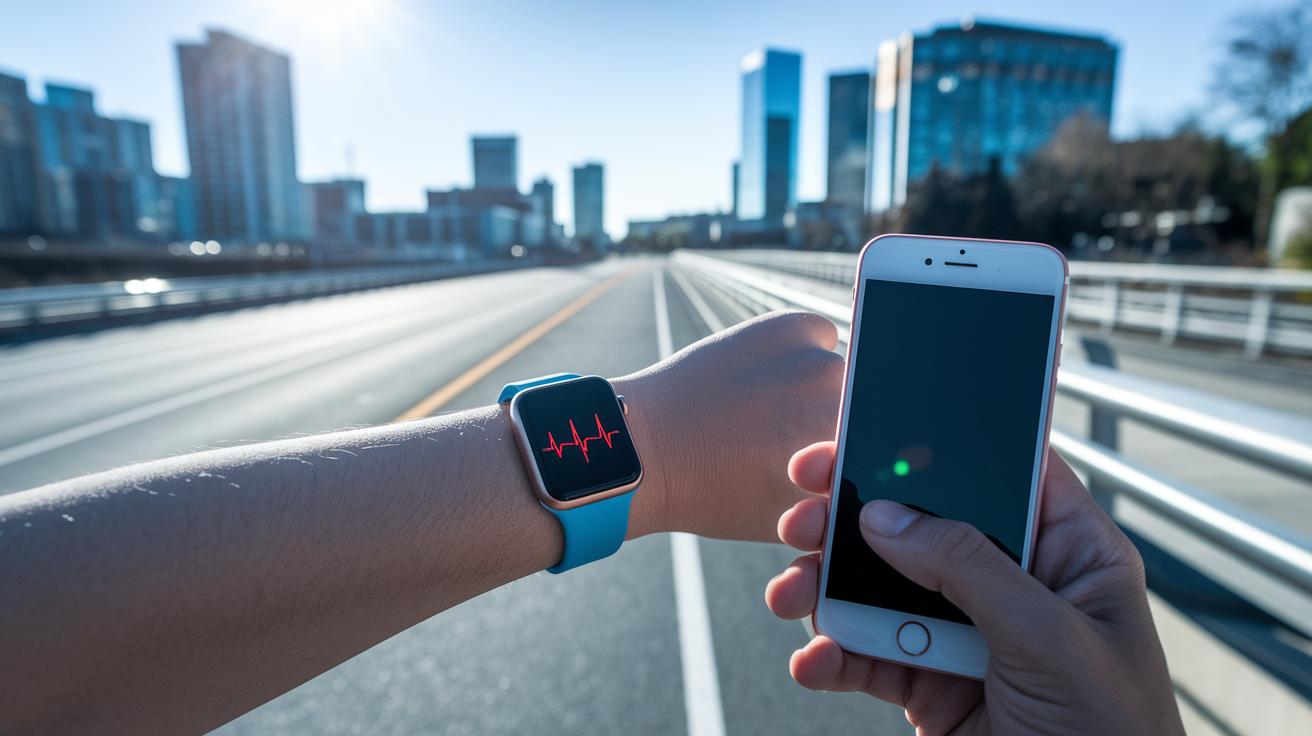
Wearable tech gadgets are like tiny computers you wear on your body. They pick up real-time data using motion sensors and work with your smartphone, laptop, or even cloud services. Think of it as having a mini computer on your wrist that tracks your health. Imagine wearing a device that keeps an eye on your heart rate during a run, it’s like a friendly digital coach right by your side.
Smartwatches are the stars here, with standout models such as the Apple Watch Series 10 and Apple Watch Ultra 2. They do more than just tell time. They measure blood oxygen levels, track body temperature, and even alert you if a fall or crash happens. Plus, they come with FDA-approved ECG (a test that checks your heart rhythm). And it's not only smartwatches; the market now includes smart rings that monitor sleep, smart clothing with built-in sensors, implantable devices for making contactless payments, and headgear that mixes digital displays with your natural view. Picture a smart ring quietly gathering your sleep data overnight, almost like a silent guardian of your rest.
Battery life is a mixed bag too. Most smartwatches run for about 18 to 36 hours, while many fitness trackers can last up to seven days. With 86% of users worrying about data security, it’s clear that protecting our information is important. This snapshot of wearable tech shows how smart wearables, digital health monitors, and fitness trackers are reshaping the way we care for our well-being and manage daily life.
Types of Wearable Tech Devices: From Smartwatches to Implantables

Wearable tech is now everywhere, offering gadgets that keep you in touch and on top of things whether you're out for a run or working at your desk. These devices mix simple convenience with smart, advanced features that hardly interrupt your day. For a peek at the freshest trends, check out this link: Best tech gadgets 2024. Every smart wearable is made to fit different tastes and lifestyles.
Think about smartwatches that do more than just tell time, they buzz with call alerts, let you pay on the go, and keep tabs on your health. They’re like little assistants on your wrist, helping you manage calls, texts, and even your workout goals.
Then there are fitness trackers like the Fitbit Charge series. These gadgets are slim and built to last longer on a single charge. They count your steps, keep track of your heart rate, and even check how well you’re sleeping. It’s like having a mini coach right with you.
Smart rings add to this convenience. Take the Oura ring, for example; it gathers precise data about your sleep and how you recover. Curious? You might enjoy reading more on the Oura Ring Review.
We also have smart clothing that ranges from shirts full of sensors to socks that warn about diabetic foot risks, and compression gear that monitors muscle effort when you exercise. Then there are implantable devices like NFC or RFID chips, which are turning from wild ideas into handy tools for making contactless payments and unlocking doors. And, of course, head-mounted displays are stepping out of the gaming zone. Imagine the Apple Vision Pro, which layers digital info right before your eyes to expand your view.
| Device Type | Key Features |
|---|---|
| Smartwatches | Buzzes for calls, lets you pay, tracks health |
| Fitness Trackers | Slim design, long battery, step and heart rate tracking |
| Smart Rings | Monitors sleep and recovery closely |
| Smart Clothing | Sensors built in to check body signals and exercise effort |
| Implantables | NFC/RFID chips for secure, contactless transactions |
| Head-mounted Displays | Brings spatial computing into your daily view |
What ties all these gadgets together is a blend of style and smarts that adapts to our everyday routines. It’s tech that fits in with your life, making every day a bit more connected and easier to handle.
Wearable Tech Devices Sensor Technologies and Connectivity
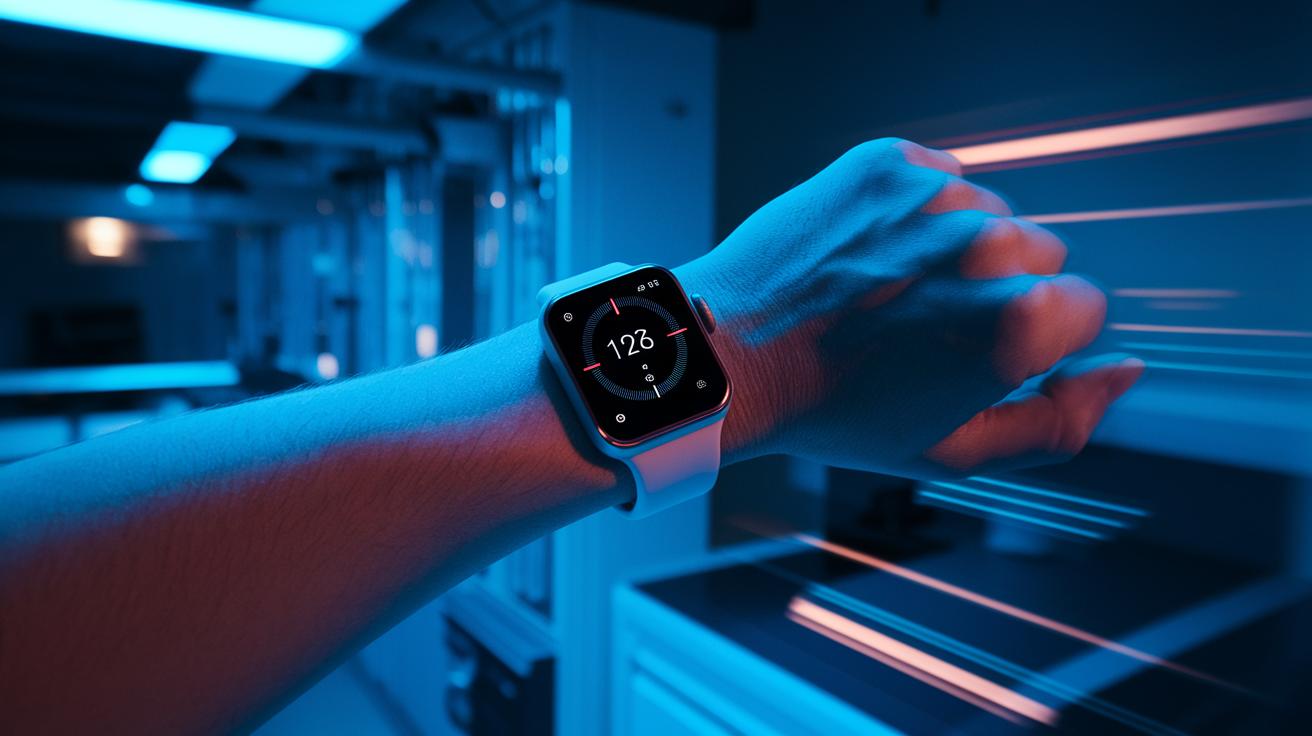
Your wearable tech gets its smarts from tiny sensors that pick up every heartbeat, step, and shift in your body signals. Thanks to accelerometers and gyroscopes (little gadgets that detect movement and orientation), these devices can track your motion in real time. Optical heart-rate sensors shine light to read your pulse, while SpO2 monitors check the oxygen in your blood to give you a snapshot of your breathing health. And then there are ECG electrodes, which keep an eye on your heart’s rhythm, catching even the smallest hiccup.
Connectivity is just as key. Most wearables use Bluetooth Low Energy (a power-saving tech that updates your data smoothly) to keep your info flowing. Some add NFC for quick, close-up transactions, and others use LTE and Wi-Fi to send data straight to the cloud or your phone app. So, your health data is almost instantly at your fingertips. Plus, battery life depends on how often the sensors collect your data and how often they send it out, with many devices cleverly balancing performance and power.
Accuracy is another win here. Fitness bands can hit up to 98% accuracy when tracking heart-rate, and smartwatches with FDA-cleared ECG features are thoroughly tested to back up their readings. Whether you use these gadgets to measure daily activity or to keep a constant check on your well-being, combining precise sensors with solid connectivity ensures you stay in tune with your health every moment.
| Sensor Type | Measured Metric | Common Use |
|---|---|---|
| Accelerometer | Motion detection | Activity tracking |
| Gyroscope | Angular velocity | Orientation monitoring |
| Optical Heart-Rate Sensor | Heart rate | Fitness and health tracking |
| SpO2 Monitor | Blood oxygen levels | Respiratory health oversight |
| ECG Electrode | Heart rhythm | Cardiac monitoring |
By balancing smart sensor tech with easy data sharing, wearable devices continue to be a key part of modern health tracking.
Comparing Wearable Tech Devices: Price, Battery Life and Accuracy

If you’re just starting with wearables, the Fitbit Charge is a solid pick. It costs around $149 and lasts up to a week on one charge so you can track your steps and basic activities without fuss. It’s like having a friendly reminder on your wrist to keep you moving throughout the week.
Step it up a notch with smartwatches like the Apple Watch Series 10. At about $399, it does much more than tell time. It checks things like your blood oxygen and body temperature, and its battery typically lasts between 18 and 36 hours. Imagine wearing a device that feels like a helpful guide through your busy day.
For those who need extra detail, subscription models like Whoop might be the answer. At roughly $18 a month, Whoop gives you data on sleep quality, strain, and how well you recover after exercise. And if you’re built for the outdoors, there are rugged options. Garmin wearables, even starting at around $299, offer advanced GPS tracking and sturdy performance details. The Oura Ring, also about $299, impressively measures sleep and recovery with a week-long cycle.
| Category | Price | Battery Life / Features |
|---|---|---|
| Entry-level | ~$149 | Up to 7 days |
| Mid-range | ~$399 | 18–36 hours |
| Premium/Subscription | $299 or $18/month | Advanced metrics and recovery data |
Overall, as you move from entry-level to premium devices, you also gain better accuracy and more advanced features. Your choice really depends on what fits your budget and your lifestyle best.
Wearable Tech Devices in Healthcare and Remote Patient Monitoring

Wearable tech is changing the way we take care of our health, whether you’re at home or in the clinic. These handy devices keep track of your heart rate, oxygen levels, and temperature all day long. Imagine a gadget that quietly checks your heart while you go about your day, almost like having a personal health buddy with you at all times. For example, patch-based ECGs let heart patients keep an eye on their heart rhythm, so any odd beats don’t sneak up on them.
These devices also come with features that can detect falls or even crashes. This is a huge help for older folks or anyone with a hard time moving around. Some smart socks can sense tiny changes in foot temperature and pressure, early signs that might point to diabetic ulcers. When it comes to breathing, wearable sensors can quickly pick up changes in your respiratory pattern and alert someone if you need help.
In the world of chronic care, these digital monitors play a big role. They help manage conditions like diabetes, heart problems, and lung issues by sending constant updates to doctors. This real-time info allows healthcare providers to adjust your treatment on the fly, which can make a real difference in keeping you healthy.
Security is a top concern too. With many users worried about data breaches, hospitals use strong encryption and strict access controls to keep your health details safe. This way, your personal information stays locked up tight while still letting your doctor monitor your progress from afar.
Using assistive technologies (https://ServersFree.com?p=1844) helps create wearable solutions that really support older adults and people with long-term health challenges. By mixing non-stop monitoring with strong safety measures, wearable tech becomes a trusty partner in modern healthcare.
Emerging Trends in Wearable Tech Devices and Future Outlook
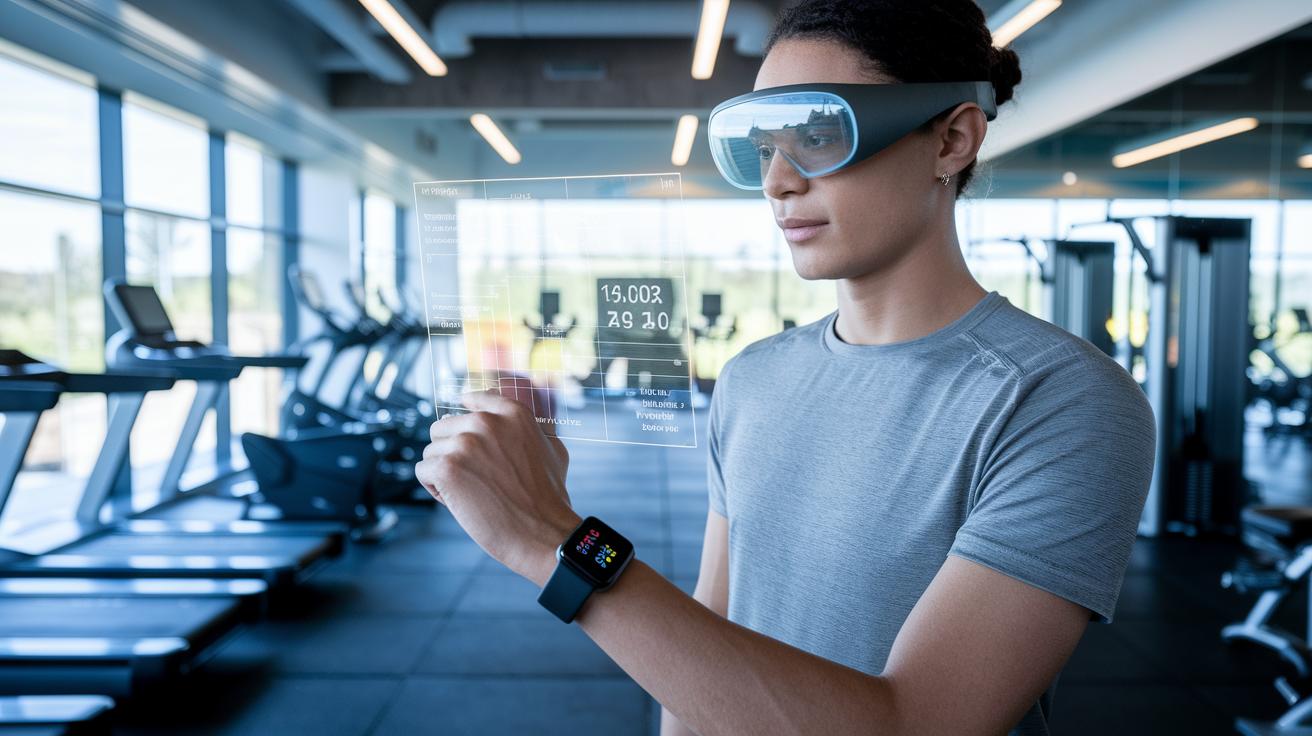
The next generation of wearables is bringing cool, smart innovations. Imagine a device that checks your blood sugar without ever using a needle or a gadget that lets your brain chat directly with a computer (kind of like a brain-computer link). These advances mean everyday health checks could soon be much simpler.
Then there are wearables that mix advanced sensors with AR and VR. Think of wearing a headset that shows digital tips and info right in front of you, making work or play feel smoother. Plus, new sensors are being built into our bodies, offering a round-the-clock health check-up, while smart clothes are learning to track muscle use and body heat. It’s like your outfit is giving you a constant health update.
And look at what's coming next, a device like the Samsung Galaxy Ring is set to launch in 2025. With features like 5G streaming and energy-harvesting circuits, these gadgets promise to send data faster and use energy better. Picture a fitness tracker that powers up just by the motion of your day, much like a toy that never runs out of juice.
Meanwhile, researchers are focused on making these devices secure, durable, and capable of fast on-board processing. Companies are working hard to overcome challenges and embrace the wearable tech revolution. According to recent trends, these breakthroughs are setting the stage for a future where wearables become a key part of everyday life.
Choosing the Right Wearable Tech Device for Your Lifestyle
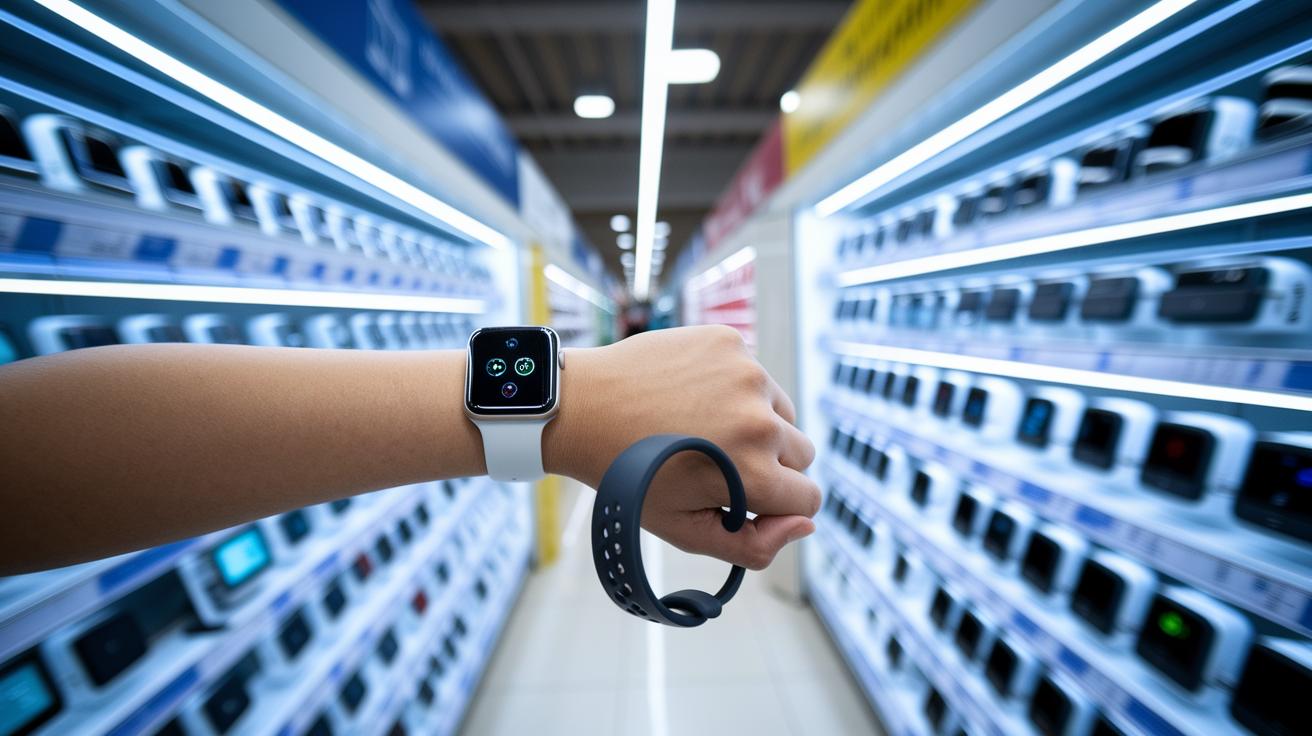
When you're shopping for a wearable tech device, start by asking yourself what you really need. Do you want it to track your health, boost your workouts, or simply add a bit of style? Many devices today pack a lot of features that can fit different goals. For example, if you're into fitness, you might check out the Apple Watch for its health tracking and smart connectivity, or look at Garmin if you love outdoor activities. And if sleep is a priority, the Oura Ring offers clear, precise insights to help you rest better.
Battery life, sensor accuracy, and comfort are key, too. Some devices are designed to run all day, while others focus on a sleek look and smooth syncing with your phone. Reviews show that a device that’s comfy to wear along with an easy-to-use app can really make your day-to-day life simpler. Plus, it’s smart to compare subscription models with one-time purchases, so you can pick what works best for your budget.
Think about what you need most. Do you require around-the-clock tracking for health reasons, or would you rather have a discreet tool to monitor your fitness? Keep an eye on easy navigation, reliable sensors, and good compatibility with your smartphone. In truth, the right device should feel like it was designed just for you, effortlessly fitting into your routine and boosting your confidence every day.
Final Words
In the action, this article broke down wearable tech devices, from smartwatches and fitness trackers to implantables and digital health monitors. We explored sensor types, compared price and battery life, and touched on how these devices are used in healthcare settings.
The piece also highlighted upcoming trends and offered useful tips for picking what suits your lifestyle. All in all, wearable tech devices are reshaping our daily habits in exciting ways, leaving us optimistic about what’s ahead.
FAQ
What are examples of wearable technology devices?
The wearable technology devices include smartwatches like the Apple Watch series, fitness trackers, smart rings (such as the Oura Ring), smart clothing, head-mounted displays and implantable chips for secure access.
What is considered wearable tech?
The wearable tech devices refer to electronic items built into accessories or clothing that track health, send notifications and stay connected with your smartphone or cloud services.
What is the most popular wearable device?
The wearable device most widely loved is the smartwatch, especially the Apple Watch series, because it offers advanced health metrics, notifications and user-friendly features in a sleek design.
What’s the best wearable tech for seniors?
The wearable tech best for seniors includes smartwatches with fall detection, heart rate monitoring and easy-to-read displays, making them ideal for health tracking and emergency alerts.
Where can I find wearable tech devices for sale?
The wearable tech devices are available for sale online through official brand sites, major electronics retailers and trusted online marketplaces offering a range of models to suit different needs.
What are top wearable health devices?
The top wearable health devices include smartwatches and fitness bands that monitor heart rate, blood oxygen and offer ECG features, providing users with real-time health insights and active lifestyle support.