



Ever wonder if tech can really make life safer for older adults? Picture a gadget that senses a fall, keeps track of health (well-being), and lets them easily connect with family and friends. This kind of wearable device lets seniors hold on to their independence while giving their loved ones peace of mind. Next, we’ll explore how these smart gadgets mix everyday simplicity with life-saving features, making life for seniors both safe and straightforward. Stick around to see why wearable tech is a win-win for staying healthy and connected.
2. wearable tech for seniors: Simple, Safe & Smart
Safety comes first for seniors, and wearable tech makes everyday living more secure. Picture a smartwatch that senses a sudden fall and instantly calls for help if the wearer can't respond. This quick alert system not only helps seniors keep their independence but also brings peace of mind to their loved ones.
Health monitoring is another big benefit. Many devices track heart rate and blood oxygen levels all day long, important since about 1 in 7 seniors face heart issues. Some smartwatches even pick up irregular heartbeats before things get serious. And if memory starts to slip, GPS tracking can send the wearer’s exact location to a caregiver in no time. With this safety net, seniors can manage their health better and feel supported.
Staying connected is easier than ever, thanks to built-in video calling options like Zoom and FaceTime. Imagine being able to quickly call a friend or family member when you're feeling a bit lonely. This feature not only keeps you in touch but also turns routine health checks into moments of connection. In short, wearable tech can make life safer, healthier, and a lot more social.
Key Features of Wearable Tech for Seniors

Choosing the right tech can really make a difference for seniors. It helps them feel secure, cared for, and in touch with loved ones. When there are so many gadgets around, picking the ones that suit individual needs means help is close at hand during emergencies and everyday moments are simpler.
- Fall detection smart watch: The Apple Watch SE knows when you fall and dials emergency services within one minute.
- MGMove monitoring: This service offers expert help and care (check out medical alert device reviews online) for just $30 a month.
- Wearable GPS for seniors: The LifeFone Safe Watch Active lets you track a senior’s location so you can know where they are during outings.
- Fitness tracking: The FitBit Versa 4 keeps an eye on health stats and is a great match for active seniors.
- Airbag protection: The Tango Belt, set to be approved in 2025, uses a built-in airbag to protect hips if you fall.
- Battery endurance: These devices usually run for 18 to 36 hours, so you get steady support all day.
- User friendly smart watches for the elderly: Big buttons and clear displays make these watches easy to use, even if you have trouble with fine movements.
All of these features work together to meet the main needs of seniors. With smart fall detection, solid monitoring, precise GPS tracking, and simple designs, seniors get better safety, improved health management, and can stay connected with caregivers and family.
Reviewing Top Wearable Devices for Seniors
Finding the right gadget for seniors means balancing practical needs and personal taste, all while keeping them safe, healthy, and in touch with loved ones. Below, we list our top picks, each offering a unique mix of style, ease of use, and value.
Apple Watch SE
The Apple Watch SE impresses with its smooth, modern look and handy health features. It keeps a constant eye on your heart rate and can even sense if you fall. If you don’t respond within 60 seconds, it will call emergency services so help can be on the way. Plus, its clear screen and simple controls make it easy for anyone to use.
MGMove
MGMove is perfect for those who want extra monitoring with a personal touch. Starting at $30 a month, this watch gives you peace of mind, blending quick alerts with ongoing care. It sends out emergency notices in a flash and is designed to be simple, even if you’re not a tech whiz.
LifeFone Safe Watch Active
The LifeFone Safe Watch Active is built for top-notch location tracking. With an SOS button that quickly alerts helpers, this device uses advanced GPS (satellite tracking that shows your exact location) to keep family members and caregivers in the loop. It’s a solid choice for seniors who might wander or just need that extra bit of safety during their daily routines.
Bay Alarm Medical SOS All-in-One 2
With the Bay Alarm Medical SOS All-in-One 2, you get big benefits without a big price tag. For about $100 one time, plus a $20 monthly fee, this device offers reliable emergency alerts and caregiver check-ins. It’s a cost-friendly pick that covers all the key features without a heavy monthly cost.
FitBit Versa 4
Made for the active senior, the FitBit Versa 4 tracks your fitness along with important health details like heart rate. Its long-lasting battery means less time charging and more time being on the go. This gadget helps you keep active, stay healthy, and still feel safe with its built-in safety functions.
Comparing Seniors’ Wearables in a Table

| Device | Best For | Monthly Fee | Price Range | Key Feature |
|---|---|---|---|---|
| Apple Watch SE | Quick fall detection and health tracking | $10–15 | Varies | Automatic emergency call in 60 seconds |
| MGMove | Professional monitoring needs | $30 | Varies | Expert care with fast alerts |
| LifeFone Safe Watch Active | Reliable GPS tracking | $25 | Varies | Exact location tracking and SOS button |
| Bay Alarm Medical SOS All-in-One 2 | Emergency alerts on a budget | $20 | ~$100 one-time | Dependable, low-cost alert system |
| FitBit Versa 4 | Daily health and fitness tracking | No fee | Varies | All-around fitness monitoring |
This handy guide brings clear insights. User reviews show that the Apple Watch SE works well when every second counts, especially with its rapid fall alerts. On the other hand, many seniors and caregivers are drawn to the FitBit Versa 4, which offers strong health tracking at no extra cost.
It’s important to note that ease-of-use and reliability often steer users toward a device. So, whether you’re a senior managing your own health or a caregiver choosing the right device, these key features can make all the difference.
Integration and Ease of Use in Senior Wearables
Setting up these devices is a snap. They quickly link with iOS and Android phones using Bluetooth in less than two minutes. Ever flip the switch and watch your device connect automatically? It feels pretty cool. With this smooth connection, seniors can easily use voice alerts without getting lost in hard-to-navigate menus.
The screens and controls are made with simplicity in mind. Big, clear buttons and displays keep things user friendly. Some wearables even offer prompts in different languages and support voice commands, so seniors can operate them without any extra hassle. Every function is within easy reach, making daily use straightforward and stress-free.
Another big plus is sharing data with caregivers and healthcare services. Medical alert apps sync with health systems so that professionals can track important health info and respond quickly if there’s a problem. And with video calling tools like FaceTime and Zoom, staying connected with loved ones is simple. For more ideas on supportive tech, check out assistive technologies. This seamless data sharing keeps seniors connected and well cared for day after day.
Affordability and Healthcare Integration for Senior Wearables
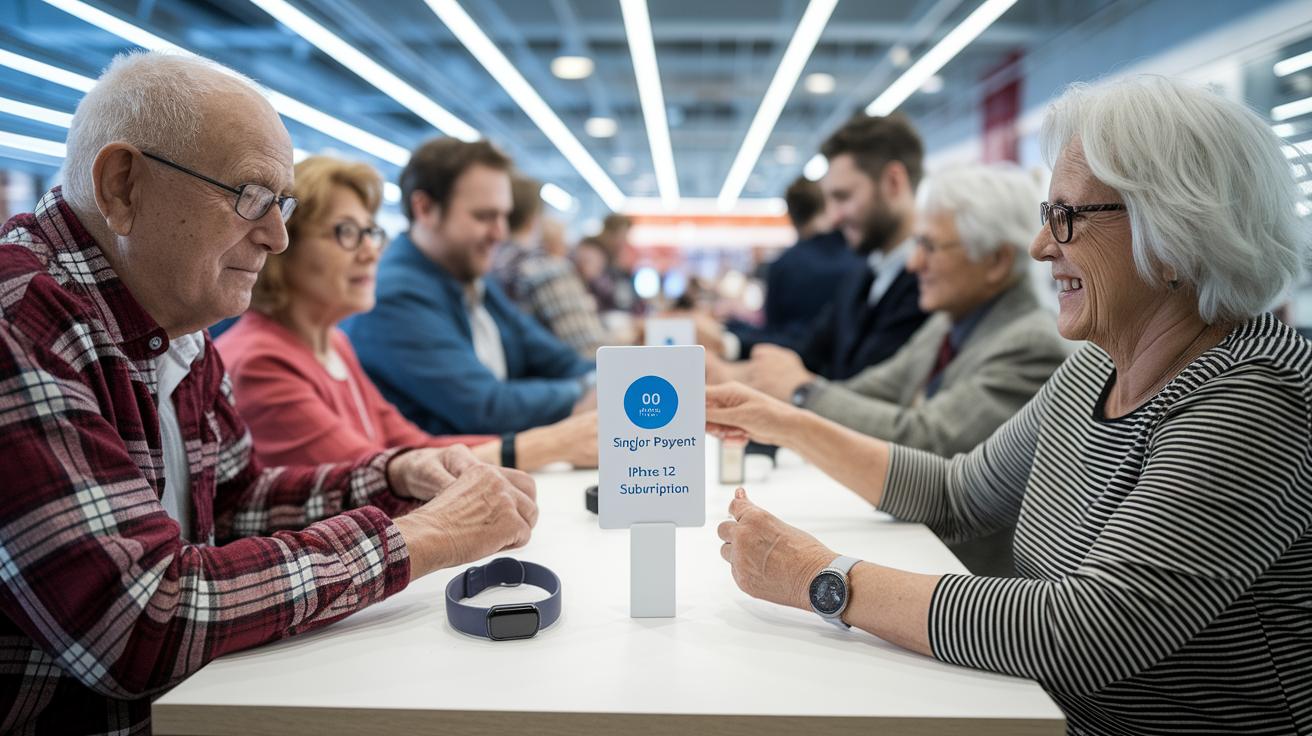
When it comes to wearable tech, you have two main ways to pay: a monthly fee or a one-time purchase. Some devices need a recurring subscription, while others let you pay just once. For instance, brands like Bay Alarm and LifeFone offer devices you own after a single payment. The FitBit Versa 4 costs $229 with no monthly fee, making it an attractive option if you're keeping an eye on your budget.
Insurance and discount programs also help trim costs. Medicare Part B might cover a wearable health monitor if your doctor prescribes it. And for seniors, an AARP membership can mean up to 20% off the price. These options help reduce out-of-pocket expenses while still giving you a device with essential safety and health tracking.
When choosing your device, it’s smart to compare one-time costs against subscription fees. Look into your insurance benefits and available discounts to save even more. This way, you can pick a wearable that meets your needs without stretching your finances.
Final Words
In the action, the blog laid out how these devices boost safety and independence with instant emergency alerts and location tracking. It detailed health monitoring benefits like continuous heart rate checks and fall detection for added reassurance. The article also highlighted the ease of connecting through video calls and simple device setups, which help reduce loneliness. Wearable tech for seniors brings smart, practical features that improve daily life and encourage a confident, connected lifestyle. The outlook remains positive with these smart improvements enhancing comfort and care.
FAQ
What is the best wearable tech for seniors and which smart device should they choose?
The best wearable tech for seniors offers essential safety features, including health tracking and fall alerts. Smart devices like advanced smart watches are popular because they combine ease-of-use with vital monitoring functions.
How does wearable tech benefit seniors with dementia?
Wearable tech for seniors with dementia uses GPS tracking and emergency alert systems. It helps caregivers locate users quickly and supports timely assistance, thereby improving overall safety and peace of mind.
What is the cost of wearable tech for seniors?
Cost details for wearable tech for seniors differ by device. Some come with a one-time purchase price, while others include a small monthly fee for monitoring services, ensuring options to fit various budgets.
How does a smart watch for seniors with fall detection work?
A smart watch with fall detection continuously monitors movement and automatically contacts emergency services upon detecting a fall. This system ensures that seniors receive rapid assistance when needed most.
What are some of the best assistive wearable devices for seniors?
Top assistive wearable devices for seniors include smart watches with built-in health tracking, GPS locators, and two-way communication. These devices promote independent living by offering ongoing monitoring and quick help in emergencies.
What are three of the most popular wearable devices?
Three popular wearable devices include models like the Apple Watch SE, MGMove smart watch, and FitBit Versa 4. Each device is favored for features such as fall detection, professional monitoring, and comprehensive fitness tracking.
What does the future hold for wearable technology in healthcare and current trends?
The future of wearable technology in healthcare promises smarter, more seamless monitoring. Current trends include improved connectivity, longer battery life, and devices that provide personalized health insights to better manage wellness.
Does Medicare pay for smart watches for seniors?
Medicare may cover smart watches if they are prescribed for health monitoring as part of remote patient care. Coverage specifics vary, so it’s best to consult healthcare professionals to understand available options.